
U.S. to Equip Virginia Class Attack Submarines with New ‘Global Strike’ Hypersonic Weapon
Military Watch Magazine Editorial Staff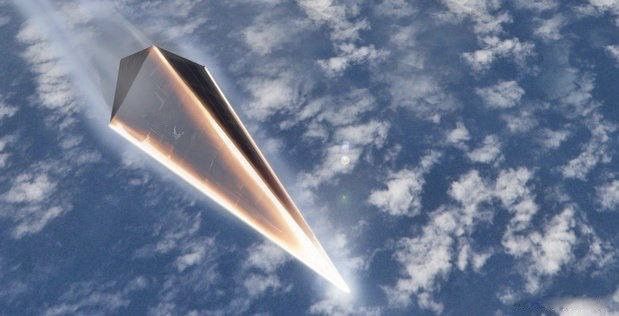
Hypersonic Glide Vehicle
Amid escalating efforts to bridge the gap with the hypersonic missile arsenals of the Chinese and Russian navies, 2021 budget request documents have revealed that the U.S. Navy is planning to integrate its new Conventional Prompt Strike hypersonic weapon on Virginia Class attack submarines. The Navy’s research and development portfolio for that year would see a 5 percent incase over 2020 with expenditures reaching $21.5 billion – or over a third the entire Russian defence budget. This expenditure will be allocated towards “providing innovative capabilities in shipbuilding (Columbia class), aviation (F-35), weapons (Maritime Strike Tomahawk), hypersonics (Conventional Prompt Strike), unmanned, family of lasers, digital warfare, applied [artificial intelligence], and [U.S. Marine Corps] expeditionary equipment. These technologies are crucial to maintaining DON’s competitive advantage.” The Navy has requested that $1 billion of this be allocated to developing the new Conventional Prompt Strike (CPS) missile.
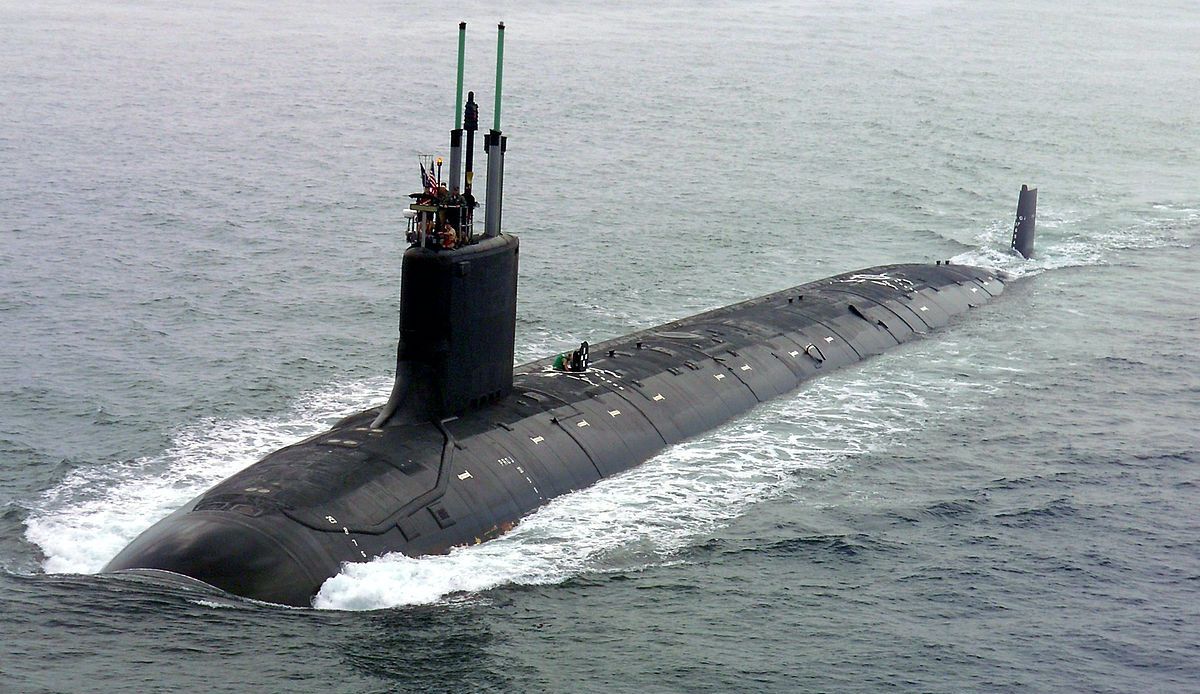
The CPS will reportedly have the range and speed of a strategic intercontinental range ballistic missile - allowing it to strike targets across the globe - but will carry a conventional warhead. This will allow the Navy to engage targets with considerable firepower and at extreme ranges without crossing the nuclear threshold. Against countries such as North Korea and China whose arsenals have a ‘no first use’ policy, using the CPS would prevent their nuclear retaliation and thus avert escalation to a nuclear war. The CPS was initially intended for integration onto the U.S. Navy’s heavier and more modern Ohio Class attack submarines, but the Virginia Class was eventually chosen as the final launch platform.
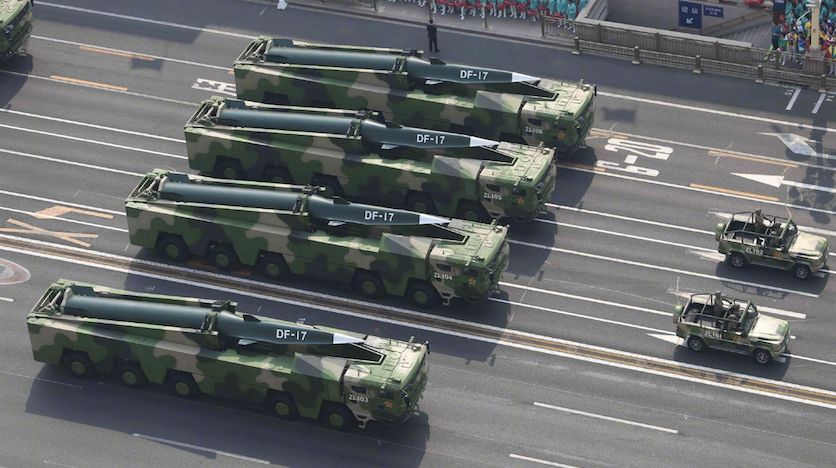
Vice Admiral Johnny Wolfe stated regarding development efforts for the CPS: “From a Navy perspective, we’re developing the booster that our hypersonic glide body will go on, and we’re doing it though in such a way that we’re taking the most stringent requirement – which is underwater launch – and so as we develop it we will do it in such a way that as the bigger Navy comes through what platform or platforms they actually want to deploy this on, the launcher and the glide body will be able to survive any of those environments… The key is, we will start with the most stringent requirement, we will build the missile and the glide body to that, so that as we look at how we’re going to do it we don’t have to go back and do a bunch of redesign.” The weapon will provide the Navy with a unique asset, but it remains to be seen whether rival powers such as Russia will seek to develop similar conventional systems. The Russian and Chinese militaries have already deployed a wide range of hypersonic weapons, from the Russian Avangard hypersonic glide vehicle and Kinzhal air launched tactical ballistic missile to China’s DF-17 cruise missile among many others.
