
U.S. Military Deploys Patriot Missile Batteries to Cover Assets in Iraq
Military Watch Magazine Editorial Staff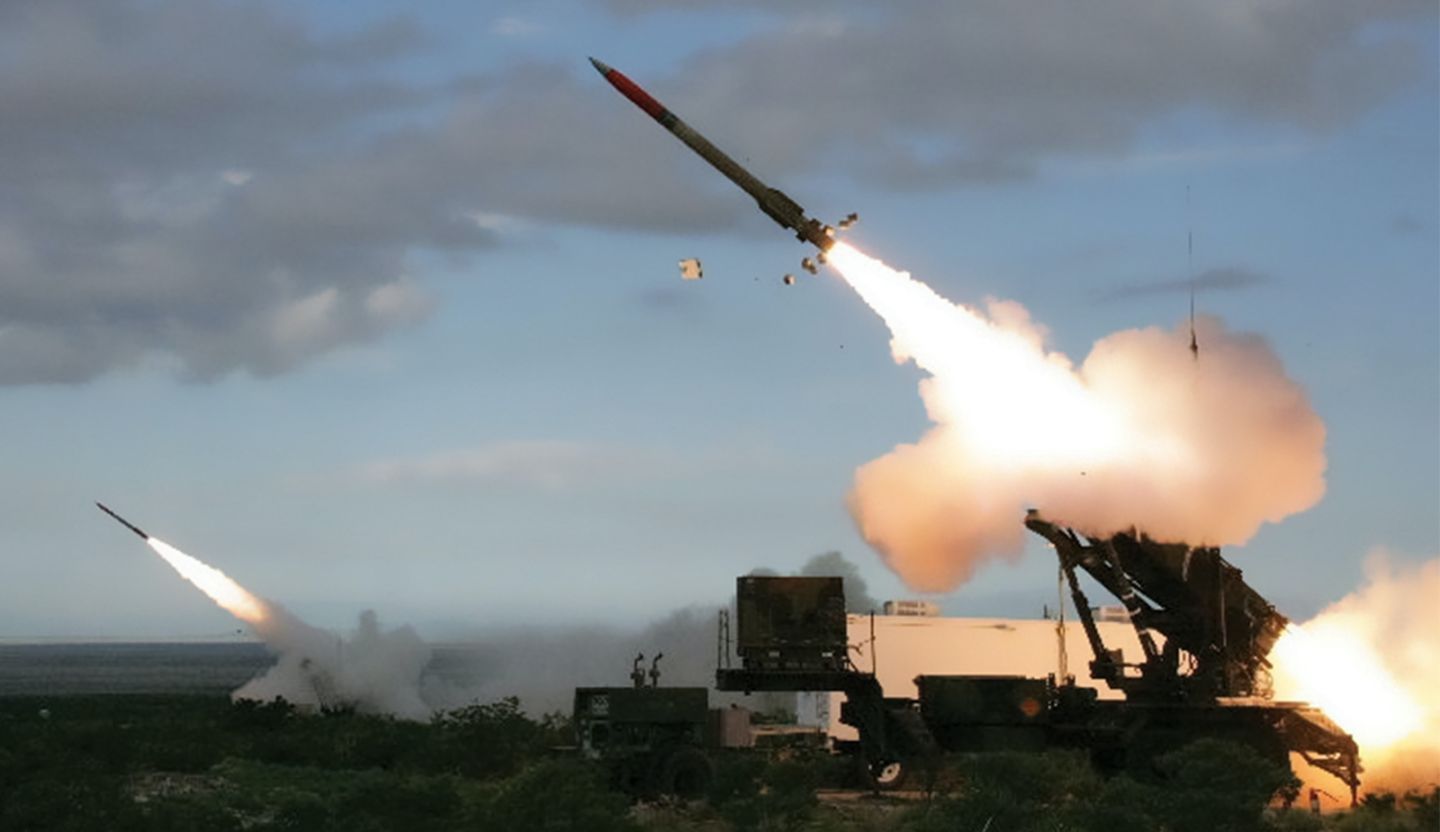
MIM-104 Patriot Missile Batteries
Amid ongoing tensions with the Islamic Republic of Iran, and a large number of Iranian-aligned Iraqi militias which have conducted multiple attacks on American troops using rocket artillery, the U.S. Military has deployed MIM-104 Patriot surface to air missile batteries to provide cover to it’s assets in the country. The Patriot is American’s only multirole long range air defence system, and is capable of neutralising both enemy aircraft and ballistic and cruise missiles. Missile batteries will be set up at Ayn Al Assad base and in Erbil. U.S. forces in Iraq came under attack from Iranian ballistic and cruise missiles in January following the CIA’s assassination of Iranian General Qasem Soleimani in the country in January 3rd. The Iranian attack is confirmed to have caused over 100 American casualties. The U.S. has recently withdrawn from a number of its military facilities to concentrate its forces at more heavily defended sites - of which Ayn Al Assad will be one.
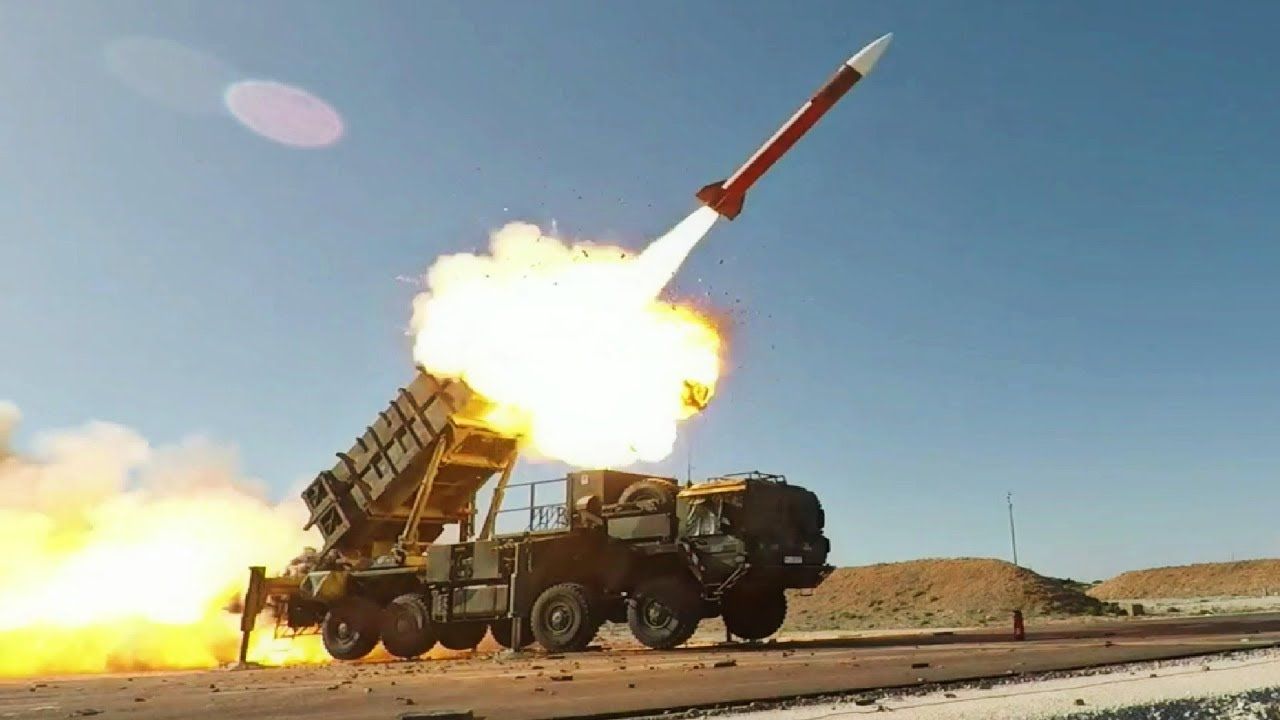
A number of U.S. Military leaders have requested the deployment of Patriot missiles since January, with commander of the U.S. Central Command Kenneth McKenzie being a leading advocate. The U.S. has reportedly had trouble deploying the platforms amid stringent opposition from the Iraqi government and much of its population, with anti-American sentiments on the rise and following a vote by the Iraqi parliament on January 5th for all American forces to leave the country. The parliamentary decision is expected to continue to be ignored, with the U.S. and many of its European allies having invested heavily in ensuring the oil rich state remains in the Western sphere of influence, and likely to continue to seek to curb Iranian influence and the influence of nationalist groups seeking greater Iraqi sovereignty. The Patriot missile system for its part has a somewhat troubled combat record, and even against relatively basic makeshift missile systems such as the Soviet Scud-B and a range of new Yemeni designs its capabilities have left much to be desired. Iran for its part has seen massive transfers of North Korean technologies to its ballistic missile program for four decades, and currently fields one of the largest and most diverse arsenals in the world with platforms far more sophisticated than anything the Patriot has previously had to counter.
