
U.S. Africa Command Claims Russia Transferred Jets to Libya Through Syrian Base - MiG-29s and Su-24s Could Tip the Balance in the Civil War
Military Watch Magazine Editorial Staff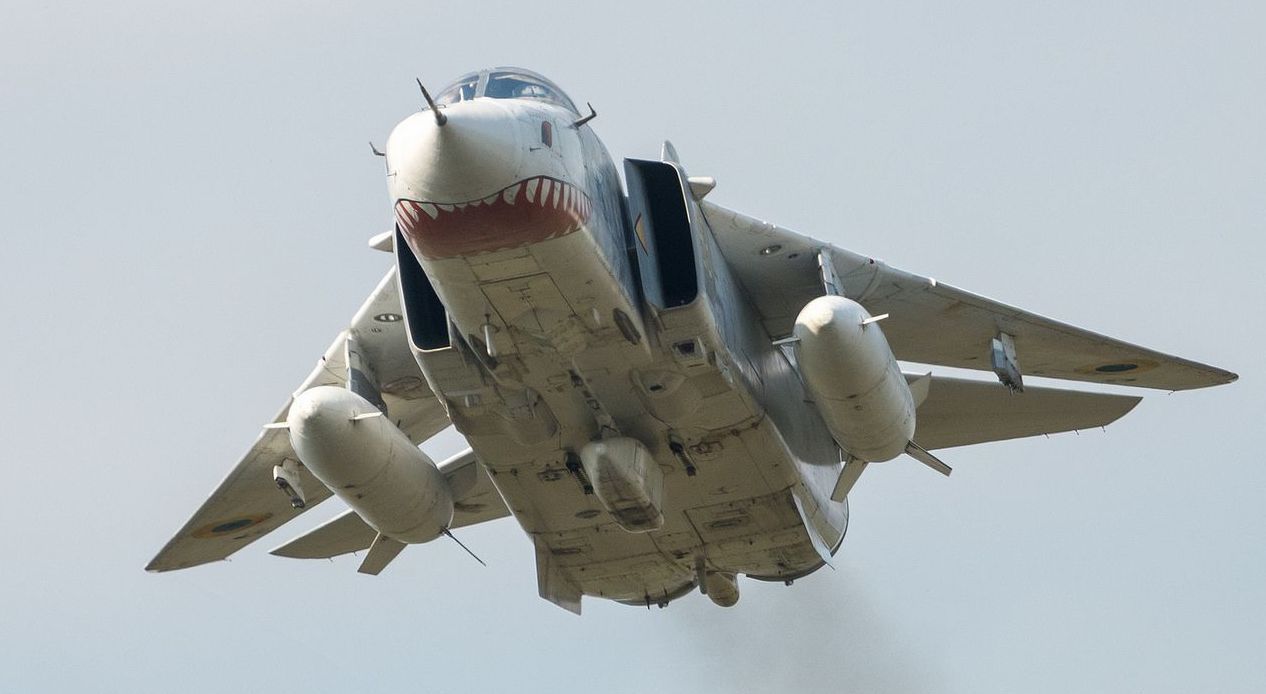
Su-24 Strike Fighter
Following the appearance of MiG-29 fourth generation multirole fighters at Libya’s Al Jufrah Air Base, which is currently under the control of the Libyan National Army (LNA), there was considerable speculation regarding their origin and whether they were provided by Russia to support operations in the ongoing civil war. The LNA has received considerable quantities of Russian and Belarusian arms, reportedly paid for by it’s primary external sponsor the Untied Arab Emirates, and has also received support on the ground from Russian military contractors to fight the Western and Turkish backed Government of National Accord (GNA). On May 26th the U.S. Africa Command (AFRICOM) issued an official statement regarding the transfer of the MiG-29s to Libya, and the reported transfer of heavier and more specialised Su-24 strike fighters alongside them.
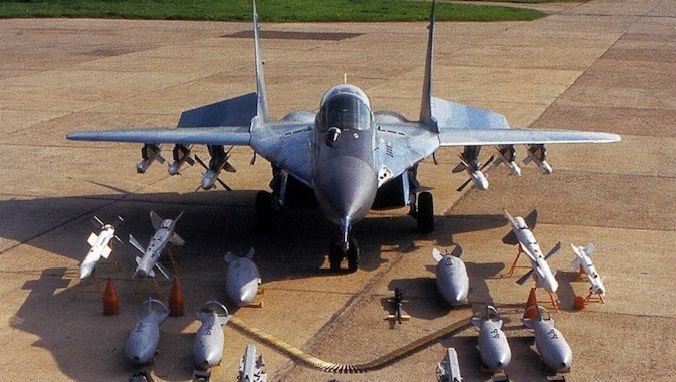
AFRICOM concluded in its statement that Russia had deployed fighters to Libya to support military contractors on the ground, namely the Wagner Group PMC, and that these were expected to provide close air support on future missions. The aircraft were, according to AFRICOM, first flown to Syria from Russia where they were repainted. This was consistent with satellite images released shortly beforehand by U.S. media outlets which showed MiG-29s at Russia’s Khmeimim Airbase in Syria. Commander, U.S. Africa Command Army General Stephen Townsend started regarding the Russian deployment of the aircraft to support the LNA: “Russia is clearly trying to tip the scales in its favor in Libya. Just like I saw them doing in Syria, they are expanding their military footprint in Africa using government-supported mercenary groups like Wagner… For too long, Russia has denied the full extent of its involvement in the ongoing Libyan conflict. Well, there is no denying it now. We watched as Russia flew fourth generation jet fighters to Libya - every step of the way. Neither the LNA nor private military companies can arm, operate and sustain these fighters without state support - support they are getting from Russia.”
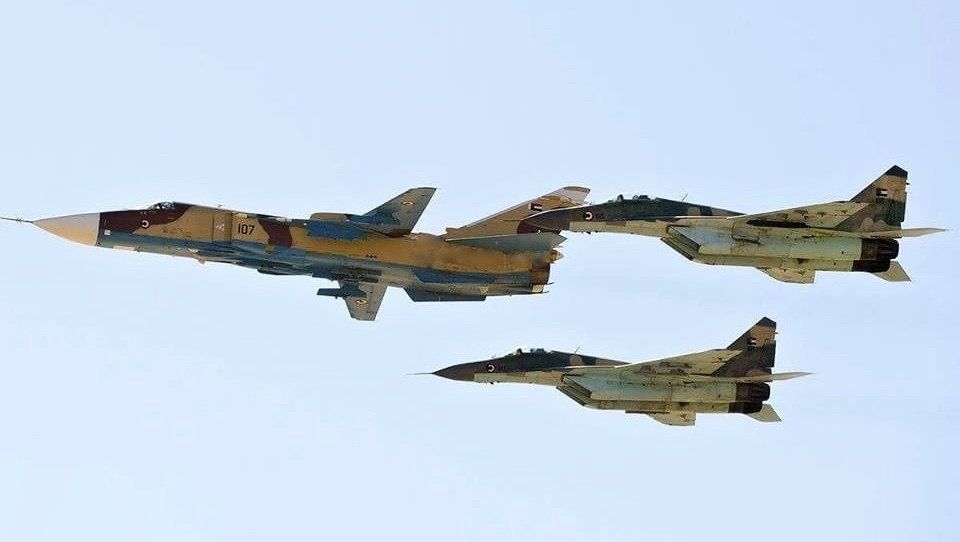
Ultimately while it is not certain that Russia is supplying MiG-29 and Su-24 aircraft to support the LNA’s war effort, it remains likely and in line with the country’s previous actions. Russian contractor pilots have previously flown MiG-29s and possibly Su-24s for other African states, including Sudan which neighbours Libya and deployed both types during it’s own internal conflict in the 2000s. Russia is though to hold several hundred MiG-29s and significant numberer of Su-24s in storage and reserve, with several hundred of the former produced in the final days of the Soviet Union before mostly being phased out of service by the Russian Air Force - which could only afford to maintain a small fraction of the fleet size. MiG-29s are thus readily available for delivery to Libya, and although they are far more capable than any other aircraft deployed to the theatre they do not integrate sensitive technologies which Russia’s adversaries do not already have access to - significantly reducing the risk from the deployment. Some questions regarding the deployment, including how the MiGs managed to transit from Syria to Libya without an aerial refuelling capability, whether they made a stopover in Egypt which also backs the LNA and what variants have been deployed and with what armaments, do remain. Should the LNA succeed in taking power in Libya, it is expected to be a major client for Russian arms and could begin to train its own pilots for MiG-29 and Su-24 operations. By providing combat jets at this stage, Russia could be securing a market share and guaranteeing that Libya will become a major defence client should the LNA prevail.
