
Libya’s First MiG-29s: Is Russia Delivering New Fighters to Back the LNA’s War Effort?
Military Watch Magazine Editorial Staff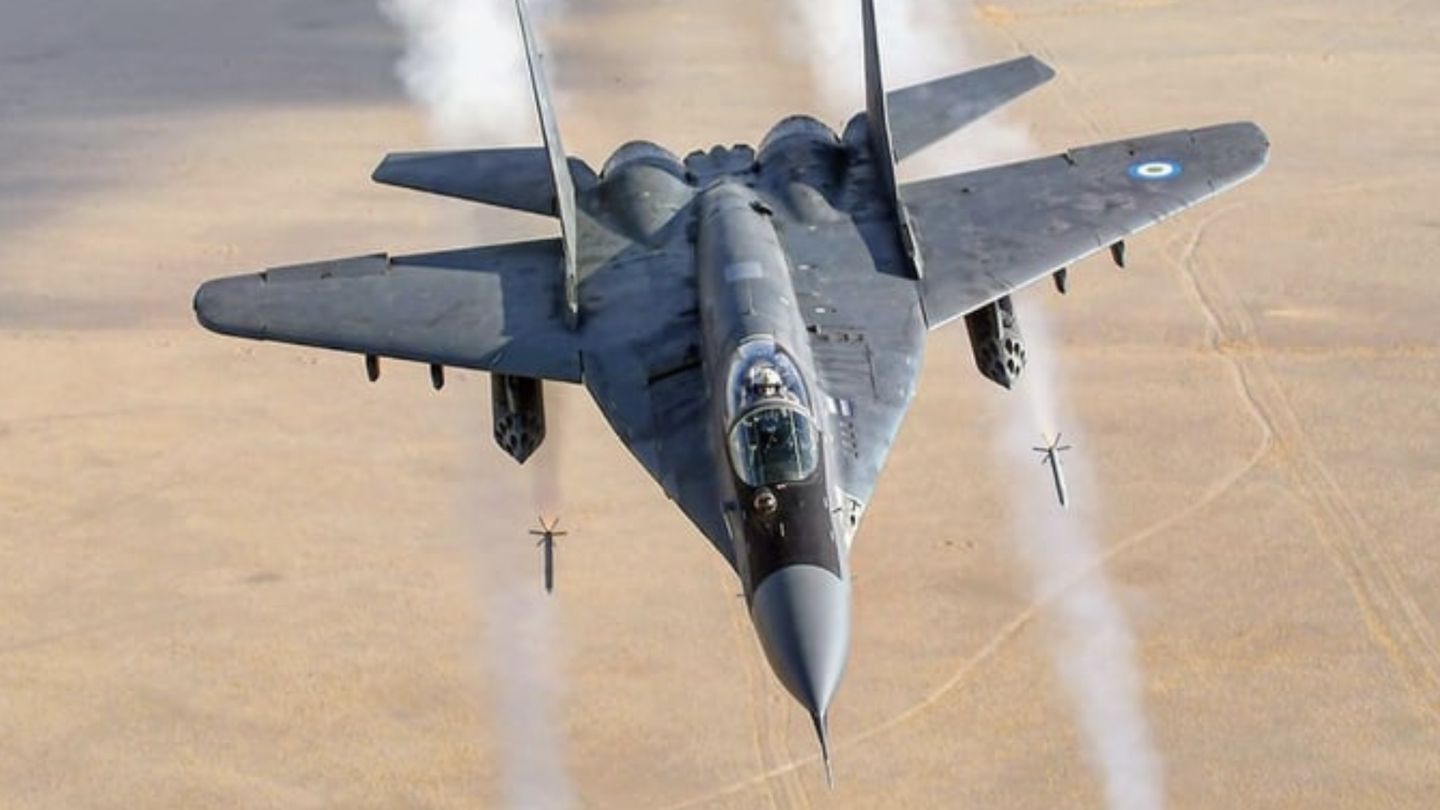
Soviet Built MiG-29A Medium Fighter
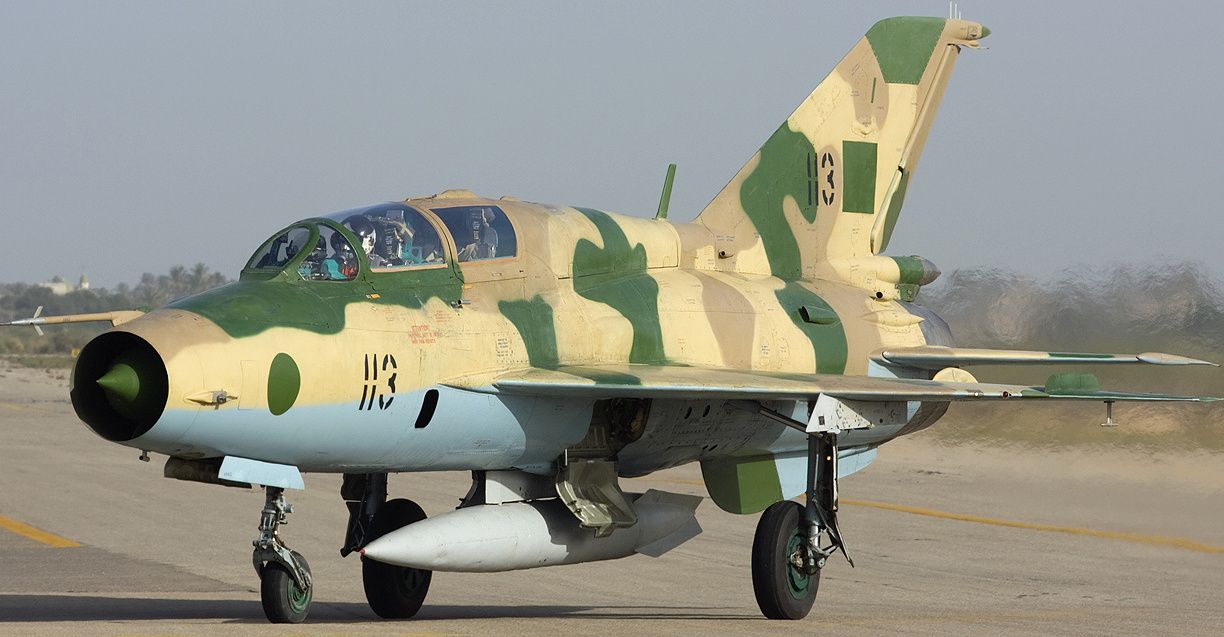
Amid an ongoing civil war in Libya, air power has come to play an increasingly vital role as hostilities have escalated and both major parties have received growing foreign material support. Most outstanding cases of support have included Russian, Egyptian and UAE backing for the Libyan National Army (LNA) and Western and Turkish support for the Government of National Accord (GNA), with Turkey previously providing its ally with growing manpower contributions and reportedly with Ukrainian made air defence systems. While Libya in the 1980s fielded the most capable air force in Africa, deploying high end Soviet aircraft in very considerable numbers, the serviceability of remaining aircraft after years of neglect has been questionable leaving both warring parties with relatively meagre air wings. Egypt and Russia reportedly provided assistance to LNA forces to service Soviet designs in their inventories, and according to some reports also provided some MiG-21 fighters from Egyptian reserve units. The capabilities of these third generation aircraft has been limited however, but as Libya never acquired Soviet fourth generation combat jets no more advanced designs have been available to support either of the warring parties’ war efforts so far.
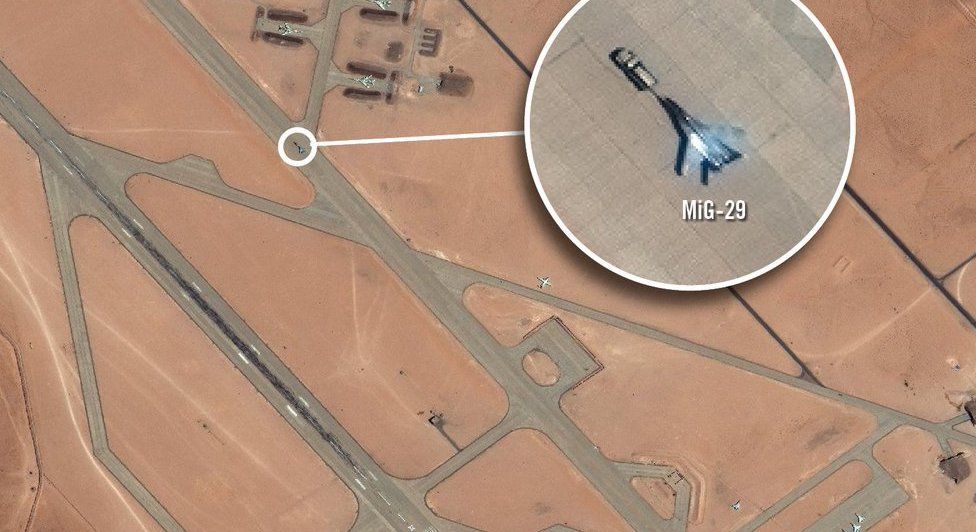
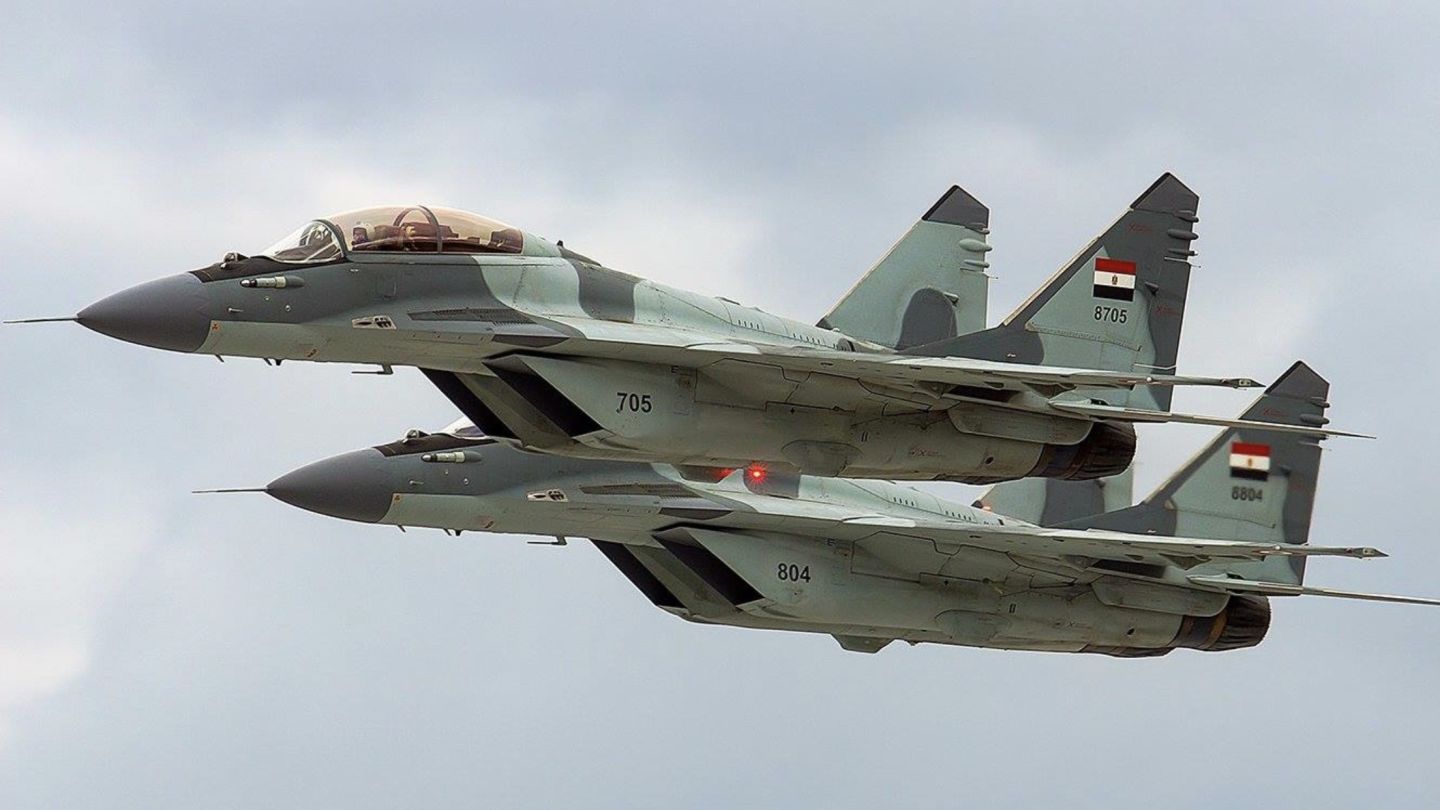
While the lack of modern air units has been a key impediment to both LNA and GNA campaigns in Libya, recent satellite imagery indicates that the former may have received its first fourth generation combat aircraft from abroad - possibly under a deal with Russia which has been a major supporter. Russian defence contractors have maintained a presence on the ground, and have previously flown aircraft to support friendly African states reportedly including MiG-29s for the Sudanese Air Force in the country's own internal conflicts. The possibility that MiG-29s delivered would have Russian contractor pilots would circumvent needs for conversion training of Libyan pilots, and would not represent an actual Russian commitment to the war effort. The possible participation of Egyptian Air Force pilots is also a slim possibility, as the country also deploys MiG-29 fighters after placing an order for 50 in 2013.
MiG-29 deliveries would, if confirmed, represent a major escalation and a more obvious sign of Russian moves to arm the Libyan National Army. The LNA has suffered considerable losses in recent months reversing major gains made in 2019. Russian retains several hundred MiG-29s in reserve, with the aircraft built on a massive scale in the final decade of the Soviet Union and the vast majority of the fleet retired from frontline service due to the unaffordability of the operational costs for its poorer successor state. Some of these reserve fighters are complete kits in need of assembly, while others are fully assembled and can very quickly be made ready for the needs of the Libyan front. The fighters would provide greater survivability against increasingly sophisticated GNA air defences, and other than the MiG-25 Foxbat which is too heavy and maintenance intensive for either side to reliably operate it can comfortably outmatch any other aircraft in Libyan skies.
Interior Minister for the GNA Fathi Bashagha alleged that LNA forces had received Su-24 strike fighters alongside the MiG-29s, although this remains yet to be proven. The Su-24 is another late Cold War design which Russia has considerable quantities of in reserve. It remains uncertain whether Russian aircraft were purchased directly by LNA forces, or whether they were purchased by the UAE which has acquired arms from Soviet successor stats for the LNA in the past. GNA sources have claimed the aircraft were delivered through Syria, although other routs including Sudan and Egypt are also possible. It remains to be seen how the GNA and its primary sponsor Turkey will respond to the development, particularly if the aircraft are deployed for combat against Turkish forces and Turkish sponsored mercenary groups in the country. Ankara is unable to provide comparable backing to its own defence partners in the Libyan theatre, but could potentially deploy more unmanned aircraft and other systems to the front.
