
Turkish Air Force Deploys F-16s to Somalia as Ankara’s Global Military Footprint Grows Rapidly
Military Watch Magazine Editorial Staff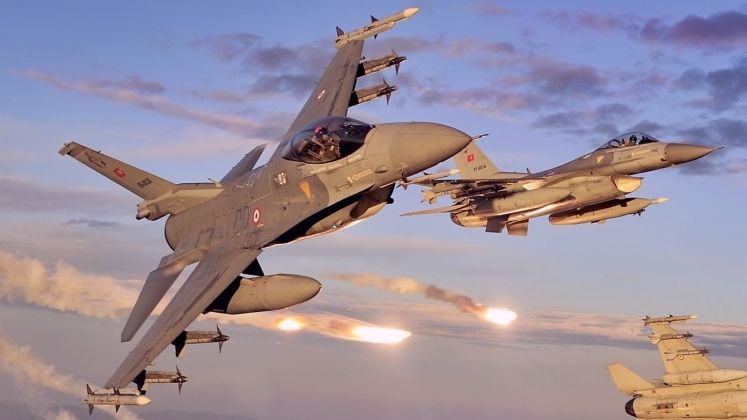
Turkish Air Force F-16 Fighters
The Turkish Air Force has deployed three F-16 fighters to Mogadishu International Airport, where unconfirmed reports indicate that they will support ongoing operations against local insurgent groups. This follows reports of Turkish plans to take over an airbase in Syria, formerly a longstanding strategic adversary, after the country was overtaken by Turkish-backed jihadist groups in December 2024, many of which had Turkish special forces integrated within their ranks. Turkey has shown a significant interest in Somalia's energy industry and mineral resources, in particularly aluminium, copper, iron, rare earth elements, and titanium. The Eastern European country’s own poor economic circumstances are credited with having led it to increasingly seek to establish a sphere of influence in Africa to gain access to local resources in favourable terms.
Turkey is by far the largest foreign operator o the F-16, with the lightweight fourth generation aircraft forming its entire fleet other than a single squadron of Vietnam War era F-4E fighters. Although Turkish F-16s have long been considered obsolete, and continue to rely on mechanically scanned array radars while having very limited armaments, they are expected to be more than sufficient to support Somali Army counterinsurgency operations. This support could be exchanged for greater access to resource extraction opportunities in the country. Turkey has played a central role in securing broader NATO objectives across multiple theatres, with its unique position as a Muslim-majority member of the alliance having allowed it to exercise influence in Muslim-majority regions of Africa, Central Asia and the Middle East, shifting power trajectories in these regions in line with alliance interests.
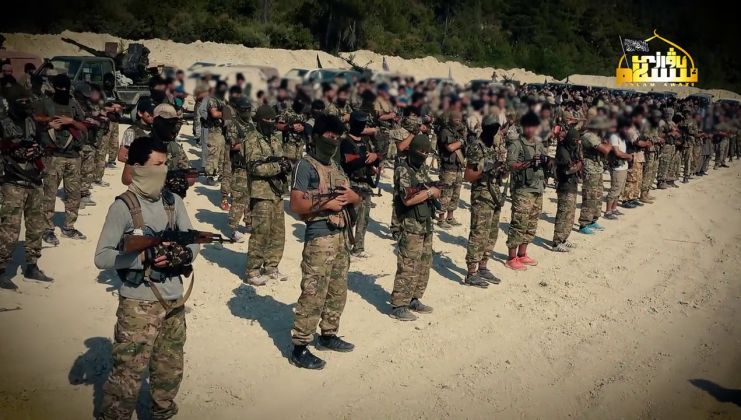
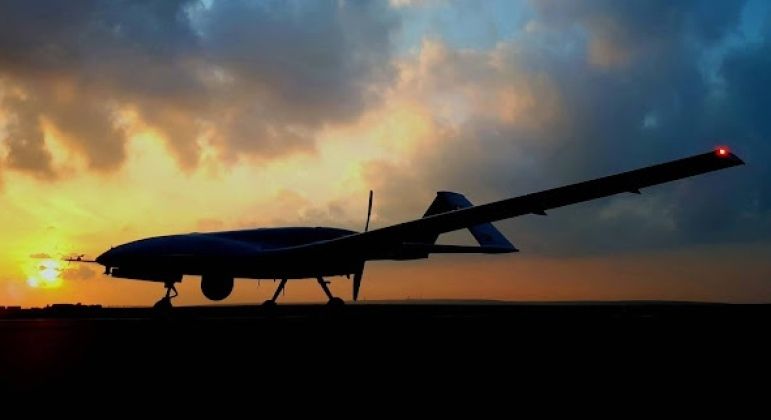
Beyond Somalia, Turkey has invested particularly heavily in establishing an influence in Libya, with the Turkish Armed Forces, and Al Qaeda linked Syrian jihadist groups under Turkish command, having deployed to the country in considerable numbers to participate in its ongoing civil war. This has included deployments of unmanned combat aviation units for a wide range of operations. Access to Libya’s considerable fossil fuel resources on favourable terms is likely to be a primary objective. Beyond Africa and the Middle East, analysts have widely assessed that Turkey will seek to use Syria as a staging ground to project power into Central Asia, targeting post-Soviet states and China’s Xinjiang region.
With China considered a primary adversary of NATO, Turkish intelligence for years from the early 2000s worked to recruit Islamist fighters from Turkic minority groups in the country, with over 30,000 Chinese origin Turkic fighters estimated to now be based in Syria sponsored, armed and trained by the Turkish state, primarily under the Turkestan Islamic Party jihadist group. It remains uncertain whether Turkey will seek to similarly form ties with and cultivate ties with jihadist extremist forces as part of its Africa strategy, mirroring its prior strategies in the Middle East and Central Asia.
