
Turkey Says it Could Look for Alternatives to the F-35; What are its Other Options for a New Fighter?
Military Watch Magazine Editorial Staff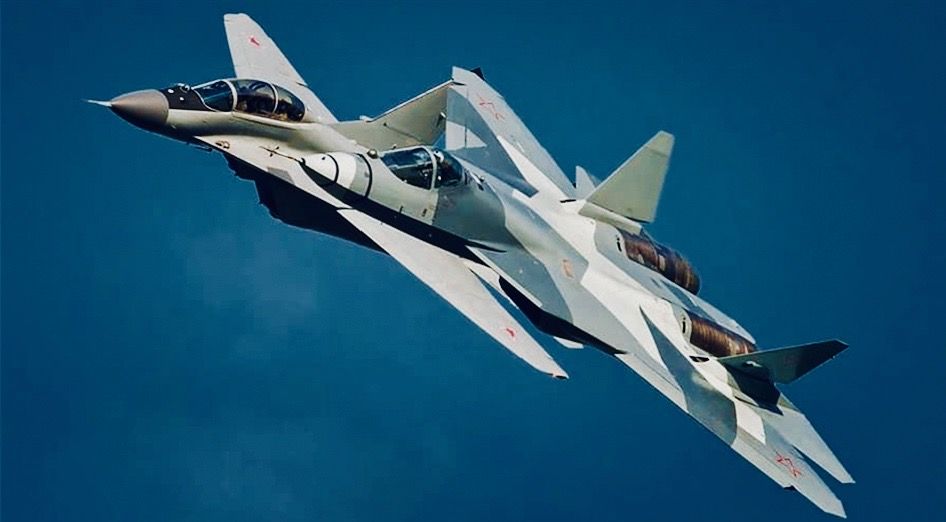
Russian Su-57 and MiG-35 Next Generation Fighters
Amid renewed U.S. threats both to apply economic sanctions to Turkey under the Countering American Adversaries Through Sanctions Act (CAATSA), and moves to terminate its membership in the fighter program in response to its purchase of the S-400 surface to air missile system, Ankara has indicated that it could look for other options to modernise its Air Force’s combat fleet. Foreign Minister Mevlut Cavusoglu stated regarding potential options for other aircraft: "There is the F-35, but there are also aircraft manufactured in Russia. If we are not able to purchase F-35, Turkey will buy similar aircraft from other countries. And this will continue until we start producing our own fifth-generation fighter jets.” Turkey is currently developing its own fifth generation fighter under the TF-X program, which was intended as a complementary platform to the F-35. There is a consensus among many analysts, however, that this program is over ambitious and will be unable to contend against U.S., Russian or Chinese fifth generation and high end fourth generation platforms given the limitations on Turkish military aviation and the country’s near total inexperience in developing even basic combat aircraft.
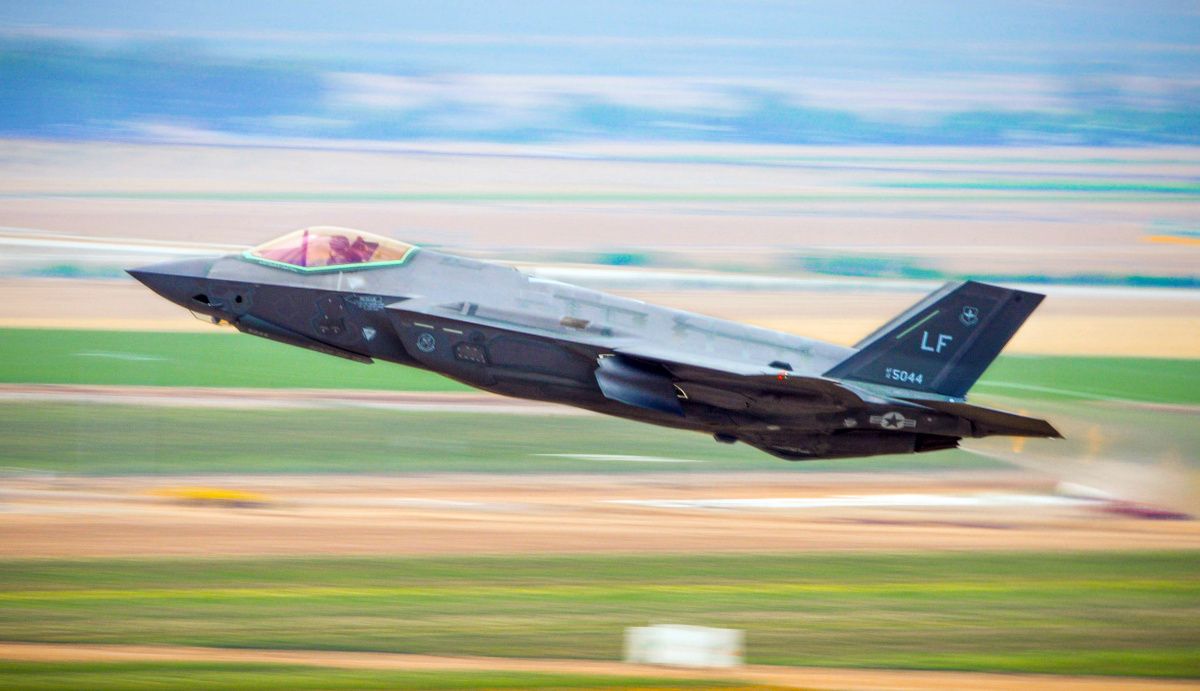
While Turkey’s indigenous fighter is highly unlikely to be able to fulfil the role of the F-35, a platform which the U.S. military invested funds equivalent to approximately three decades worth of Turkish net defence expenditure to develop which is at the very forefront of Western military aviation technology alongside the F-22 Raptor and B-21 Raider, fighters which are similarly sophisticated are available from alternative suppliers - namely Russia and China. Which fighters would be best suited to replacing the F-35, however, very much depends on the exact role Turkey intends for the aircraft - which remains uncertain. While the possibility of acquiring the Russian Su-57 has been raised in the past by Turkish analysts, the platform is very different from the F-35 in its specifications and intended role despite both being fifth generation platforms. The F-35 was designed as a light single engine multirole platform without a specialisation - and with considerably limitations in its air to air combat capabilities due to its low speed, operational altitude, manoeuvrability and weapons payload. The heavy twin engine Su-57 by contrast is more comparable to the American F-22 Raptor, a long range air superiority fighter which excels in air to air combat, can operate at extreme altitudes, and is thought to be the most manoeuvrable combat jet ever developed - also carrying the largest internal air to air missile payload of any fifth generation platform.
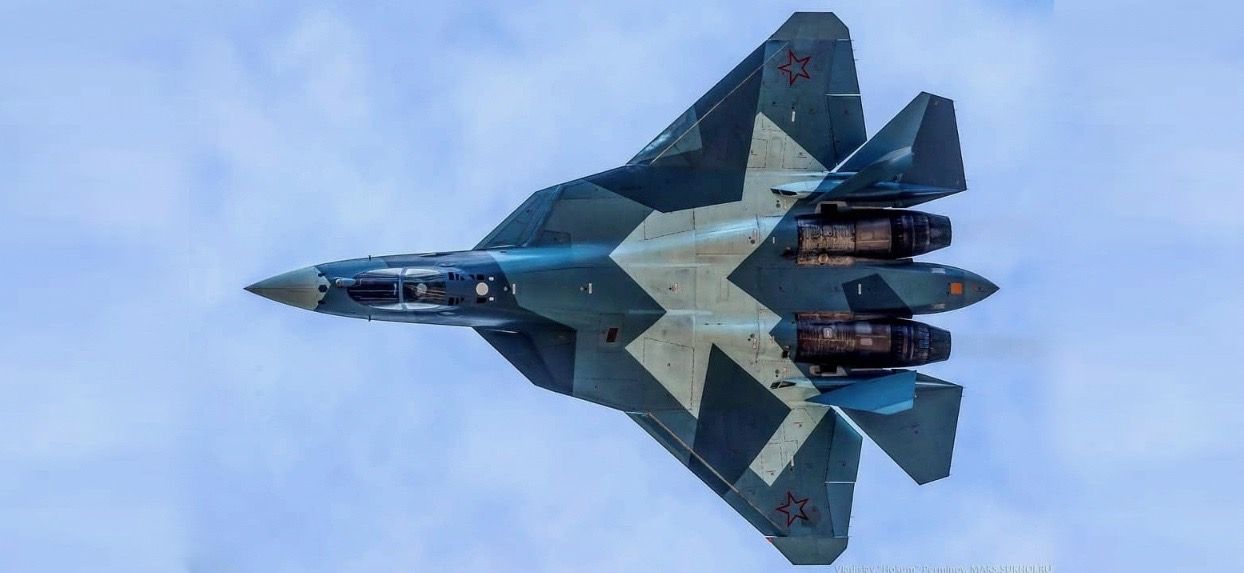
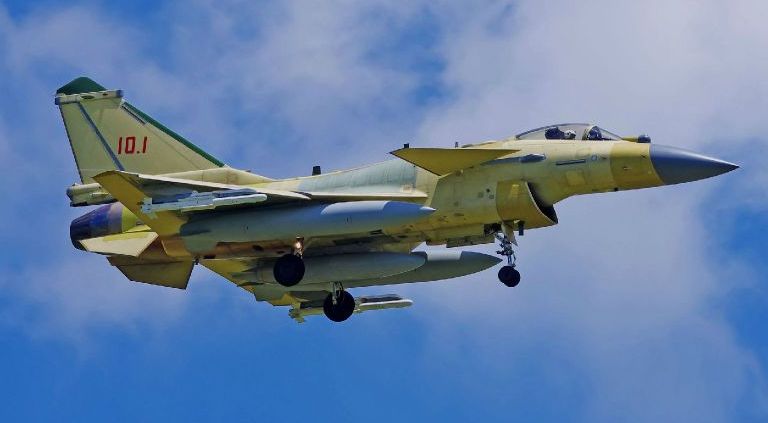
The Su-57 would provide Turkey with by far the most capable air superiority fighter in Europe or the Middle East, particularly considering that the United States has yet to export its own high end air superiority jets - the F-22 and F-15X. Indeed, even if Turkey were to opt for the Su-35, an older ‘4++ generation’ Russian air superiority fighter with many similar specifications, the aircraft would provide a robust air superiority capability exceeding those of its neighbours. If however Turkey’s specifically requires a lightweight short-medium ranged frontline aircraft to replace its F-16s then the Su-57 and Su-35 may be deemed unstable suitable choices. In this case other next generation multirole aircraft of a lighter weight range could be better suited to replacing the F-35, including the Russian MiG-35, Chinese J-10C and upcoming Chinese J-31. The MiG-35 and J-10C both integrate three dimensional thrust vectoring systems, carry next generation air to air missiles - the K-77 and PL-15 respectively - and mount powerful AESA radars paired with infra red search and track systems. Both carry more missiles and are considerably faster, higher flying, lower maintenance and more manoeuvrable than the F-35 - though they lack the American platform’s radar cross section reducing airframe.
Should the F-35 sale be cancelled, it remains a possibility that Turkey will refrain from obtaining new foreign manufactured aircraft altogether - possibly increasing investment in its indigenous fighter program and commissioning upgrades of its F-16 fleet to the '4+ generation' F-16V standard - which would bring their avionics, sensors and electronic warfare systems to a comparable level with the F-35. The F-16V integrates a next generation AESA radar, which if combined with high end air to air missiles such as the AIM-120D or AIM-120C-8 would provide it with a formidable air to air capability - though still far inferior to platforms such as the Su-57 and lacking the stealth of the F-35. Ultimately Turkey’s choice regarding a replacement for the F-35 remains open to question, and it appears that Ankara is currently holding the possibility open as leverage to prevent the United States from cutting it off from the program which it appears to prefer over Russian or Chinese alternatives. Turkey is set to benefit a great deal from the F-35 program, namely through the manufacture of components for the aircraft which will be relied on by F-35 operators across the world and bring considerable revenues and high end technologies to Turkey’s defence sector over several decades of the stealth fighter’s expected service life. While the F-35’s capabilities may be somewhat lacking relative to those of rival manufacturers in a number of key fields, particularly given that models in Turkish service will have downgraded software a result of an Israeli request to ensure its own stealth fighters retain an advantage, the prestige associated with acquiring the aircraft and economic benefits gained from participating in the program make it a highly attractive option. Despite the capabilities of the Su-57 in many ways surpassing those of the F-35, it remains in the interests of both Ankara and Washington to ensure that the program goes ahead to prevent a further deterioration in relations and further rounds of economic sanctions between the longstanding Cold War allies.
