
Trump Says Destruction of Los Angeles or San Diego Would Be ‘Small Price to Pay’ in War in Iran
Military Watch Magazine Editorial Staff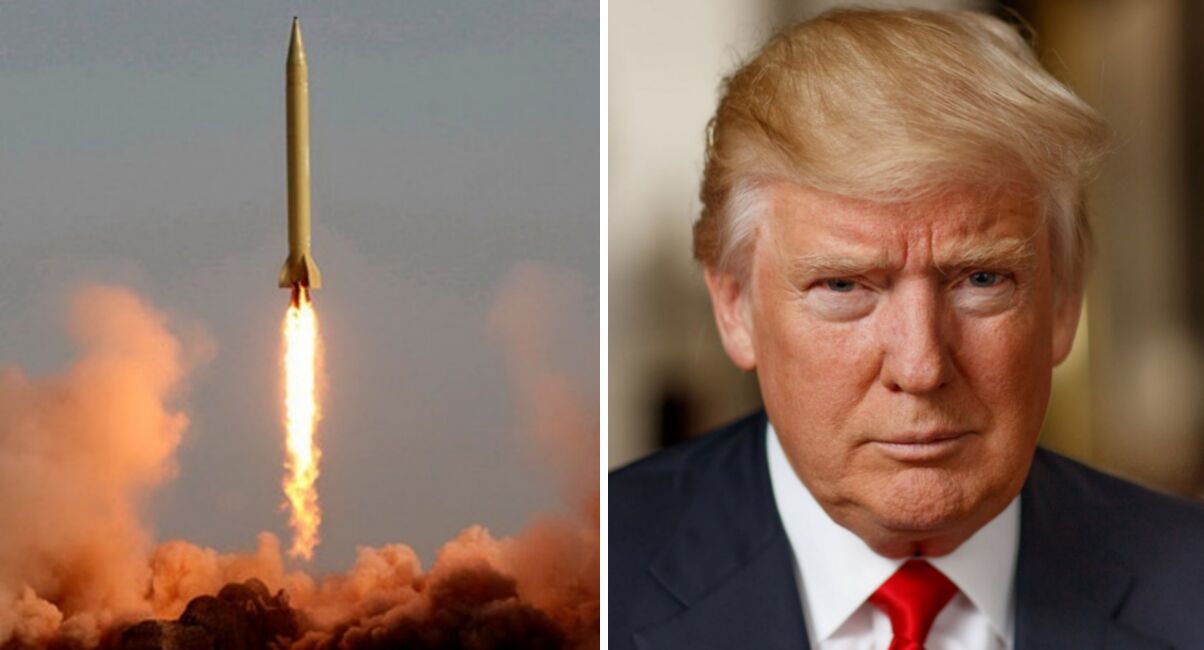
U.S. President Donald Trump and Iranian Shahab-3 Launch
U.S. President Donald Trump has said that the destruction of major American cities such as Los Angeles or San Diego would be a “small price to pay” in the ongoing conflict with Iran, while arguing that the war is necessary to prevent Tehran from obtaining a nuclear weapon. The president was discussing the economic impact of the conflict and rising fuel prices when he referred to the possibility of an Iranian attack on an American city. “It’s a small price to pay for keeping the world safe, keeping our country safe,” Trump said. “They could take out a city. Let them take out Los Angeles. Let them take out San Diego. That’s — this is a very small price to pay, and it’s going to be over with very soon.”
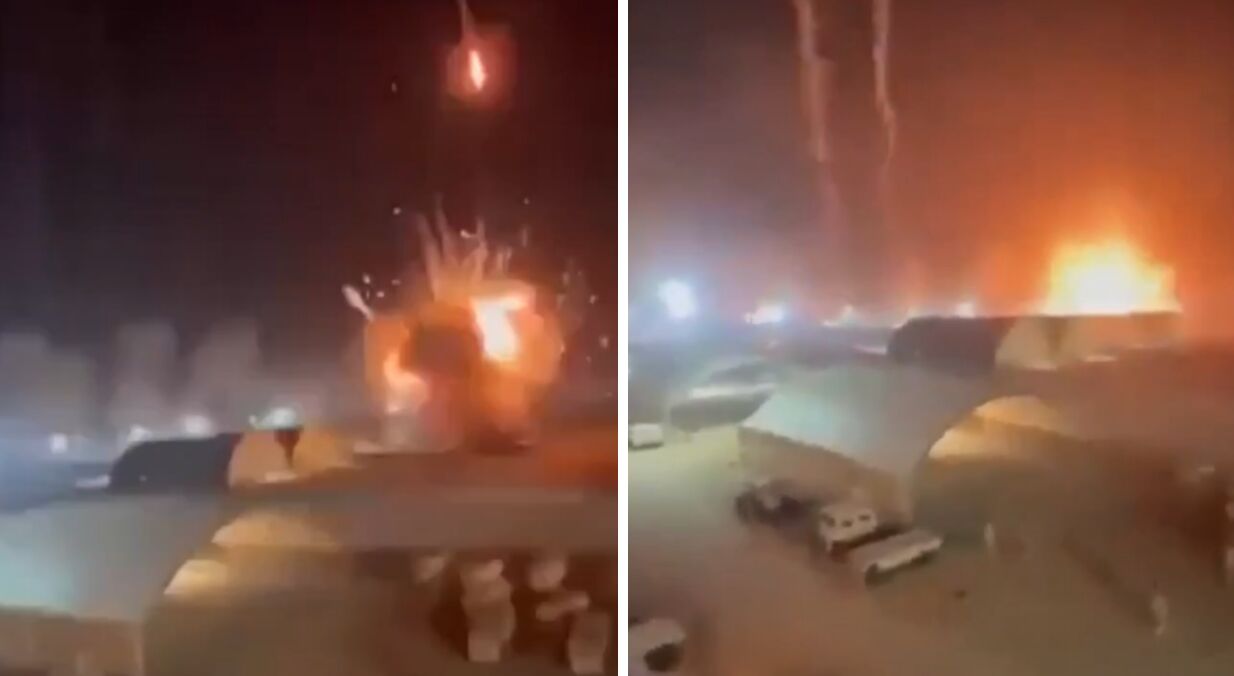
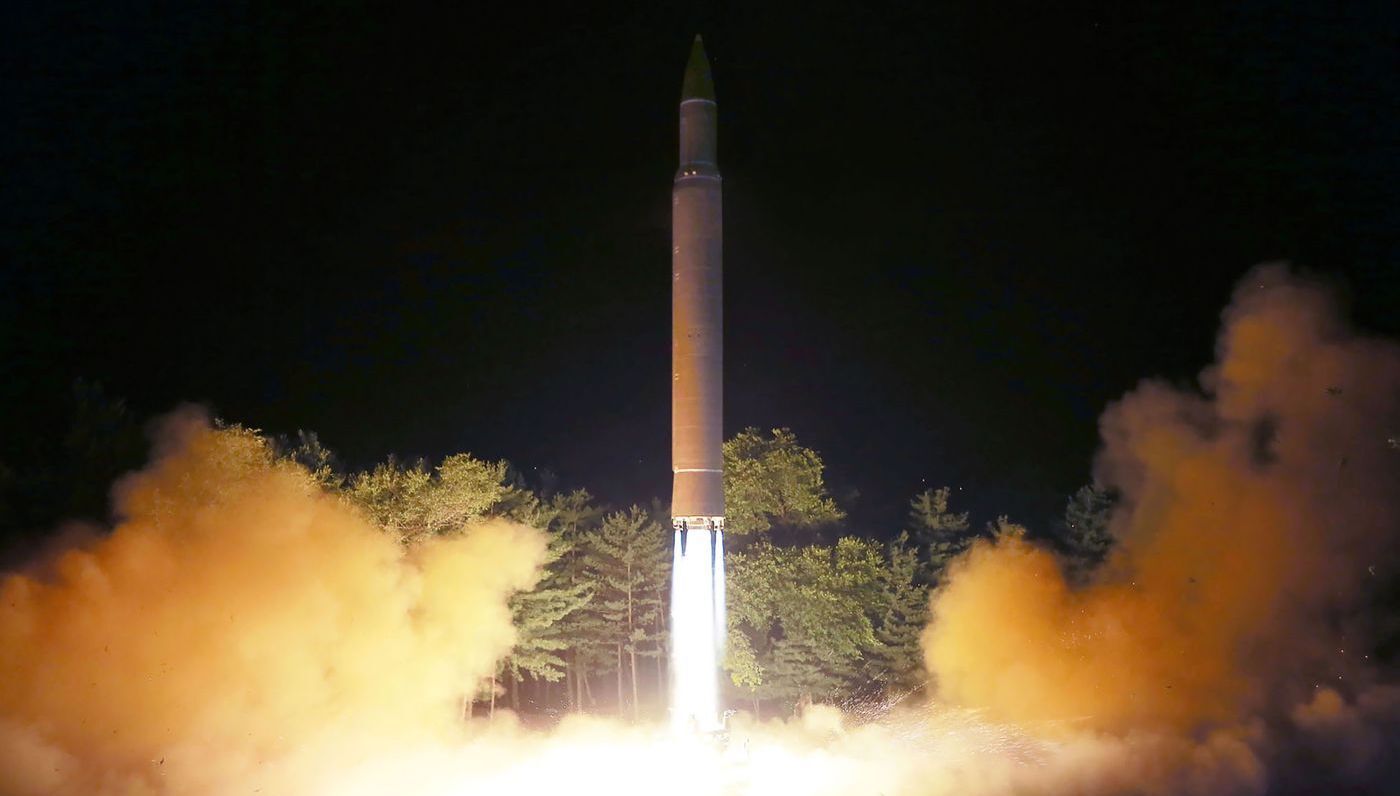
The President’s remarks nevertheless prompted an immediate reaction from officials in California. Governor Gavin Newsom condemned Trump’s comments, while Los Angeles Mayor Karen Bass said they could compromise the city’s safety. San Diego Mayor Todd Gloria stated that San Diego should not be treated as “collateral damage.” Jim Desmond, a Republican congressional candidate in San Diego and former mayor of San Marcos, said that he had “served to protect Americans, not write off American cities as an acceptable price of war.” Iran’s inability to launch retaliatory strikes on major cities in the United States has been a major factor setting it apart from more militarily powerful U.S. adversaries, most notably North Korea, China and Russia. Iran lacks intercontinental range ballistic missiles or weapons of mass destruction which it can deliver by missile.
Although President Trump said that the conflict was “essentially almost over,” allusions to having destroyed Iran’s military power have consistently been questioned. While Iran’s conventional forces were from the outset of the war highly limited, its missile and drone forces remain largely in tact. U.S. intelligence sources speaking to The New York Times in May confirmed that Iran retained approximately 70 percent of its missile arsenal, and had successfully restored operational access to 30 out of 33 missile facilities along the Strait of Hormuz, or 91 percent, and approximately 90 percent of underground storage facilities and launch pads. New intelligence data indicates that Washington significant overestimated the extent of the damage caused to the Iranian missile arsenal by U.S.-led attacks in the initial months of its assault from February 28. The Iranian Armed Forces has relied heavily on ballistic and cruise missiles to serve as a strategic deterrent against Western attacks, and to asymmetrically counter vast quantities of U.S. and allied air and naval power in the Middle East.
