
Total War: Israel Behind Major Cyberattack on Iranian Civilian Infrastructure
Military Watch Magazine Editorial Staff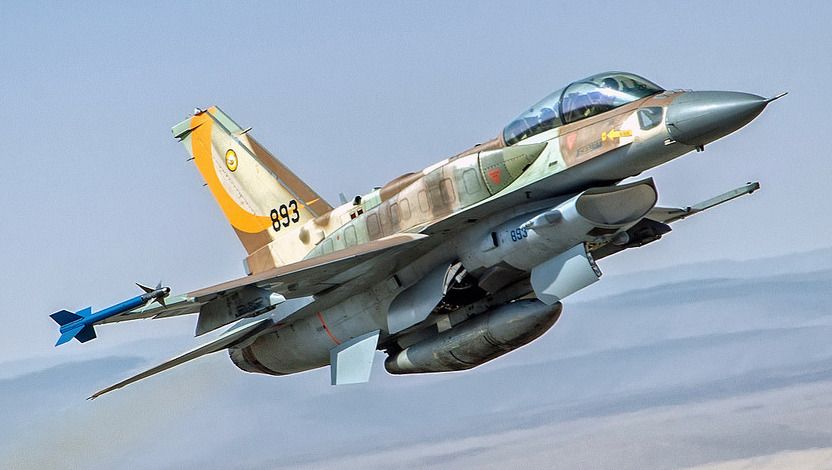
Israeli Air Force F-16I Fighting Falcon
A recent report by the Washington Post has claimed that Israel was responsible for a major cyber attack on Iran’s Shahid Rajaee port on May 9th - part of an ongoing conflict between the two Middle Eastern powers which has grown increasingly heated over the past two years. The port is one of the largest in the country, and can accommodate vessels of up to 150,000 tons. The attack on Iranian civilian infrastructure reportedly caused “total disarray” and brought the “bustling Shahid Rajaee port terminal to an abrupt and inexplicable halt.” Regarding the impact of the attack, the American paper noted: “Computers that regulate the flow of vessels, trucks and goods all crashed at once, creating massive backups on waterways and roads leading to the facility,” causing miles long traffic jams leaving several ships waiting to offload their cargo for several days. The report cited unnamed U.S. officials with access to classified information, confirming what had been widely speculated by Iranian sources until that time. Such attacks can serve to complement ongoing efforts by Israel’s major defence partner the United States to cut off Iranian trade with the rest of the world through harsh economic sanctions, with Western experts repeatedly alluding to the possibility that downward pressure on living standards could destabilise the country with the end result of bringing a pro-Western government into power.
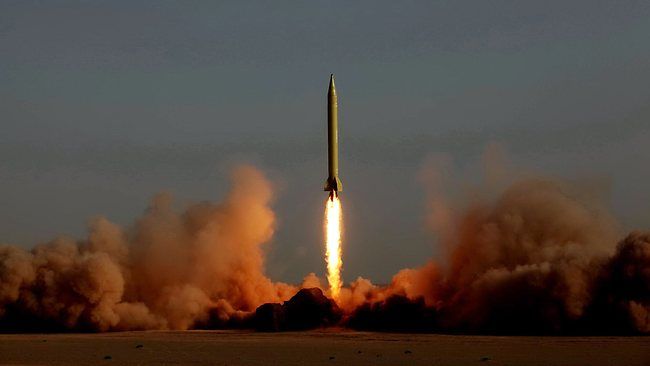
Israeli experts have warned that Iran could have enough fissile material for a nuclear warhead by the end of 2020, which has made efforts to undermine the country all the more urgent. Israel is currently the Middle East’s only nuclear weapons state, and its monopoly on these weapons has been seen as vital to the country's security for decades. Iran already fields multiple classes of weapons system capable of delivering nuclear warheads - namely several classes of North Korean designed ballistic missile capable of reaching Israel. An Iranian strategic nuclear deterrent would seriously limit potential future Western or Israeli options for military action against the state, and could allow Iran to reduce its overall defence budget and thus alleviate some of the burden on its struggling economy. Tehran officially does not seek nuclear weapons, but officials have indicated on multiple occasions that this policy could be revised if Western hostility towards the country including military provocations and economic sanctions do not subside.
