
Three Nuclear Powers Now Threatening to Rain Fire on Iran
Military Watch Magazine Editorial Staff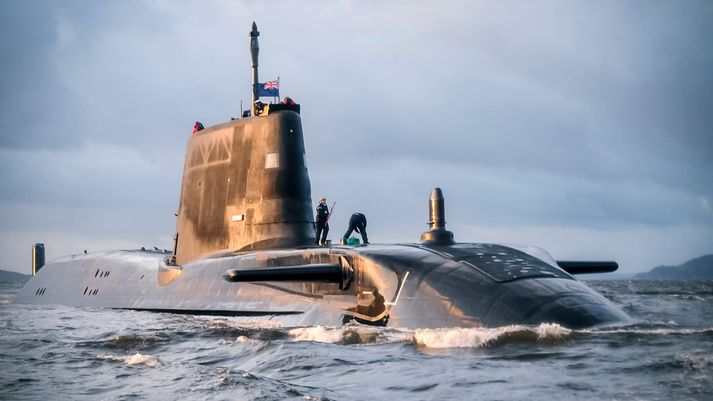
British Royal Navy Astute Class Nuclear Attack Submarine
BAE Systems
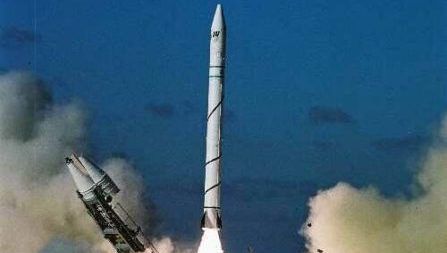
Amid rising tensions following the American assassination of Iranian General Qasem Soleimani, the veteran commander of the country’s Quds Force, Iran has been on the receiving end of a number of threats - some discrete and others less so - should it seek to retaliate against the attack. Among the threats issued by the United States, President Donald Trump stated on Twitter: “if Iran strikes any Americans, or American assets, we have.... targeted 52 Iranian sites (representing the 52 American hostages taken by Iran many years ago), some at a very high level & important to Iran & the Iranian culture, and those targets, and Iran itself, WILL BE HIT VERY FAST AND VERY HARD.” More tacit threats were made by U.S. allies. British military sources reported that the country was ready to carry out strikes should Iran respond to General Soleimani’s killing, and that it had deployed an Astute Class nuclear attack submarine within range of the country alongside special forces units and surface warships. Israel, another major U.S. ally, issued what was perhaps the most subtle threat - with Prime Minister Benjamin Netanyahu on December 6th making his first ever public reference to the country as a nuclear power. This followed a test by Israel of Jericho strategic ballistic missiles in late 2019 which Iran claimed represented a direct threat to its existence.
The Iranian leadership for its part has issued multiple threats to retaliate against U.S. targets, while at least one military official has stated that Israel would be the target of a counterattack, but Iran’s lack of nuclear weapons leaves it in a far weaker position - particularly when threatened by three major nuclear powers near simultaneously. A NATO meeting on January 6th ended in agreement that Iran’s obtaining of a nuclear weapon was unacceptable, and President Trump pledged earlier in the day that Iran would be prevented from doing so. This followed moves by Iran to lift JCPOA restrictions on its uranium enrichment - potentially paving the way to its development of nuclear weapons. It remains uncertain how the Western Bloc or Israel will respond to Iran’s moves towards nuclearisation following the assassination of its general, but military action by the U.S. and a coalition of Western states cannot be ruled out entirely.
