
The Future of the Harrier Jet in the U.S. Military; Navy Commissions Upgrades for Ageing Fleet
Military Watch Magazine Editorial Staff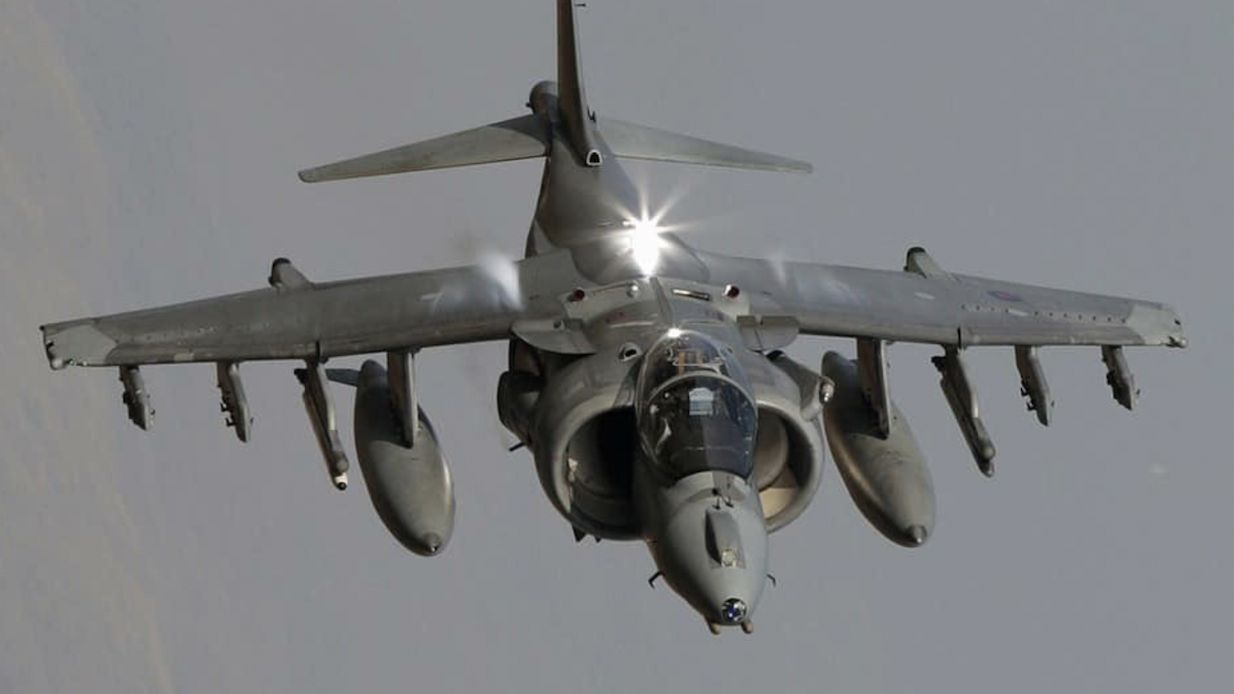
Harrier Jet
The U.S. Navy has awarded defence contractor Boeing with a $71.3 million contract to upgrade its T/AV-8B Harrier II short takeoff vertical landing (STOVL) capable fighter jets, of which approximately 80 are currently in active service. The contract for upgrades is accompanied by a further $16 million contract for engineering and support for the Harrier II fleet. Upgrades are expected to last the fighters for the remainder of their’ service lives, and will have been fully applied by 2023. The Harrier II is an advanced derivative of the British Harrier Jump Jet, and is much prized for its ability to deploy from short runways including those on the U.S. Navy’s Wasp and America Class amphibious assault ships. The new Harrier variant was designed to integrate fourth generation technologies and began to enter service in 1985. The aircraft were in production until the year 2003, and are currently operated by the Navies of Italy and Spain as well as the United States.
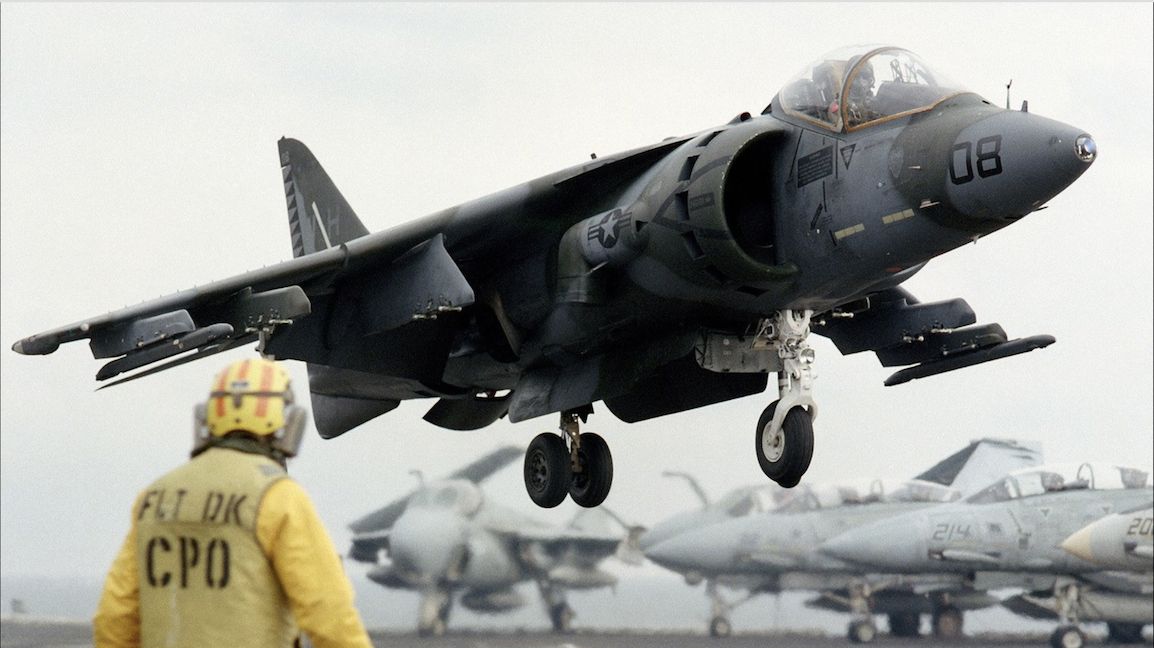
The Harrier II, while considerably more capable than the British original, remains extremely limited in its combat capabilities by the standards of modern fighters - and is restricted primarily to a ground attack role as a result. The platform cannot exceed the speed of sound, cannot climb fast or manoeuvre well, and is very restricted in its operational range. Extremely high maintenance requirements meanwhile mean that only a very small fraction of the fleet can be combat ready at any time - and operators have frequently been forced to cannibalise parts from some aircraft to service others. The aircraft nevertheless provide a capability which until 2014 was entirely unique among Western militaries due to their STOVL capabilities, and are capable of engaging enemy ships, ground forces and aircraft. The Harrier II’s integration of the AIM-120 AMRAAM air to air missile, of which it can carry up to six when modernised to the AV-8B Plus standard, makes it a potential threat to enemy aircraft at long ranges.
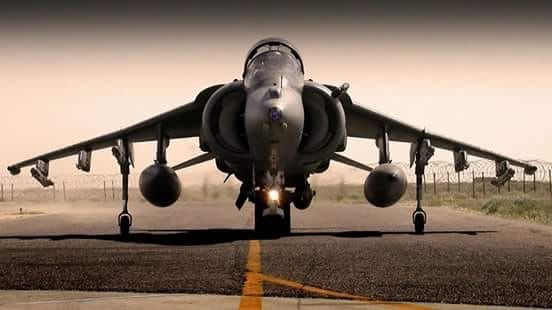
As the F-35B enters service onboard the U.S. Navy’s Wasp and America Class assault ships in fast growing numbers, the usefulness of the Harrier II is increasingly limited. The number of years the platform has left in service are numbered, though Spain’s inability to afford the F-35B and Italy’s recent cancellation of its order for the platform - also largely a result of its deteriorating economy - means that the aircraft in foreign service could considerably outlive their U.S. operated counterparts. The F-35B for its part, while arguably the least combat capable of all fifth generation fighters including its land and supercarrier based counterparts the F-35A and F-35C, appears to eclipse the capabilities of the Harrier across the spectrum - flying faster, further, and with overwhelmingly more powerful sensors and electronic warfare systems. The Harrier II is unlikely to see combat again, and will most likely not be deployed to contested theatres such a the Asia-Pacific where the F-35B is increasingly being relied on to counter the growing capabilities of America’s near peer adversaries.
