
Technologies From World’s Most Advanced Tank Integrated Onto China’s Older VT-4 Under New Upgrade Package
Military Watch Magazine Editorial Staff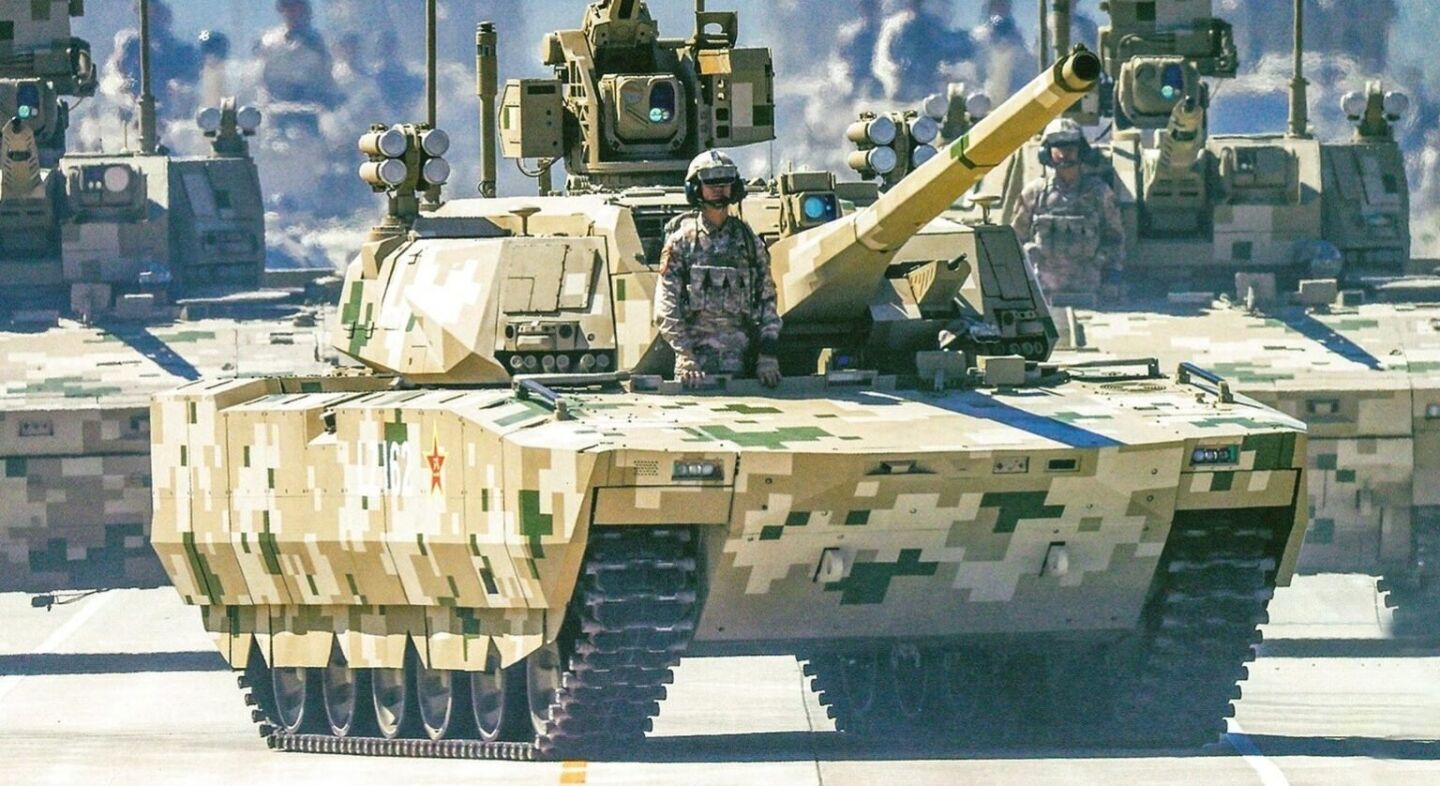
Chinese Type 100 Tank - Currently Considered the World Leader in Pioneering Next Generation Design Features
China has developed a substantially upgraded version of its VT-4 main battle tank, incorporating technologies associated with its new Type 100 fourth generation main battle tank. Photographs of the vehicle arriving at Zhuhai Airport ahead of the December 7–13 Airshow China exhibition indicate improvements to its armour protection, active protection system, sensors and secondary armament. Believed to be designated the VT-4B, one of the most immediately visible changes is the addition of substantially thicker explosive reactive armour across the front and sides of the hull. The new protection extends further down the vehicle than on earlier VT-4 variants, covering portions of the lower frontal hull and running gear.
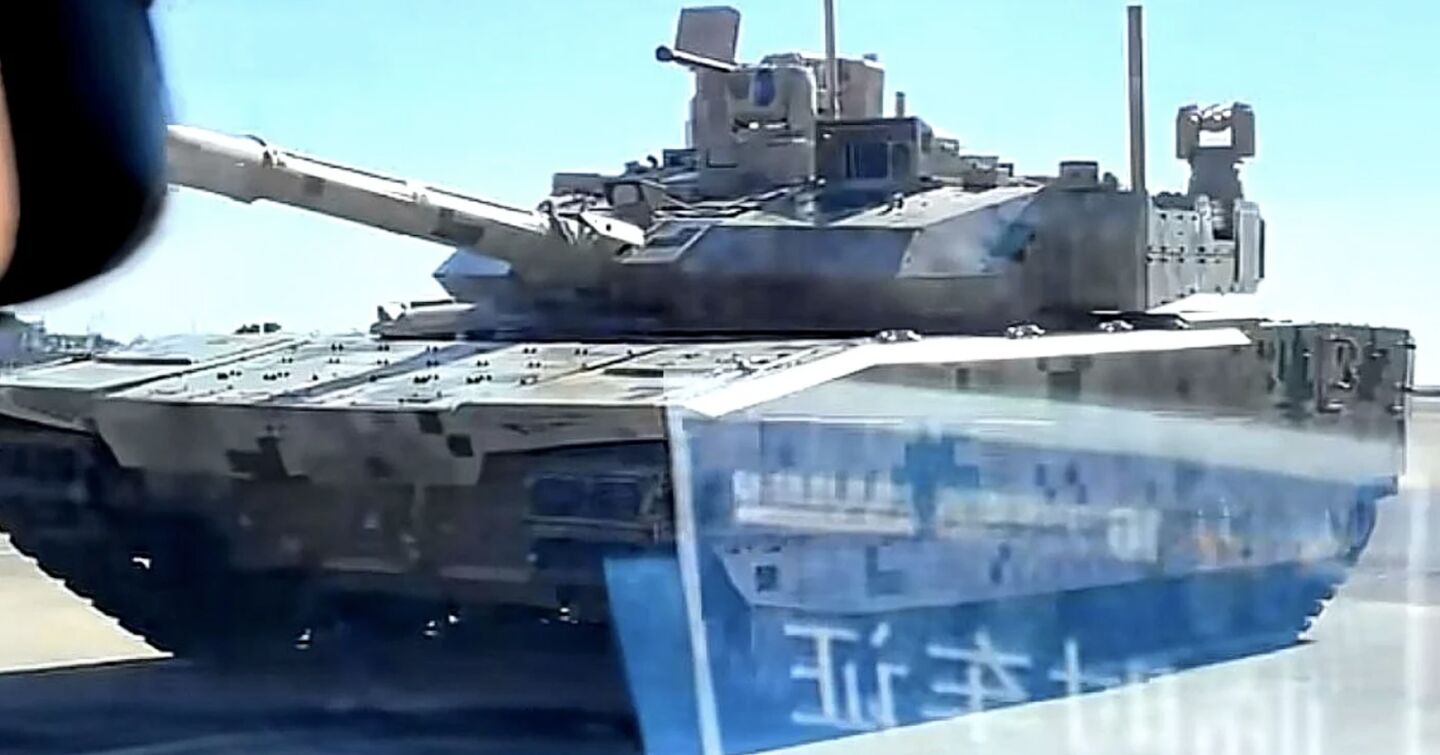
The VT-4B also appears to incorporate an active protection system resembling China’s GL-6, which has been associated with the Type 100 tank. The system reportedly employs four phased-array radar panels distributed around the turret to provide 360-degree threat detection, alongside two interceptor launchers positioned towards the rear. Such an arrangement is designed to detect incoming projectiles and launch countermeasures before they reach the vehicle, potentially improving protection against anti-tank guided missiles and other threats. Its apparent inclusion would bring the export tank closer to the protection architecture being introduced on China’s most advanced domestic platforms, although the precise configuration and performance of the system on the VT-4B remain unconfirmed.
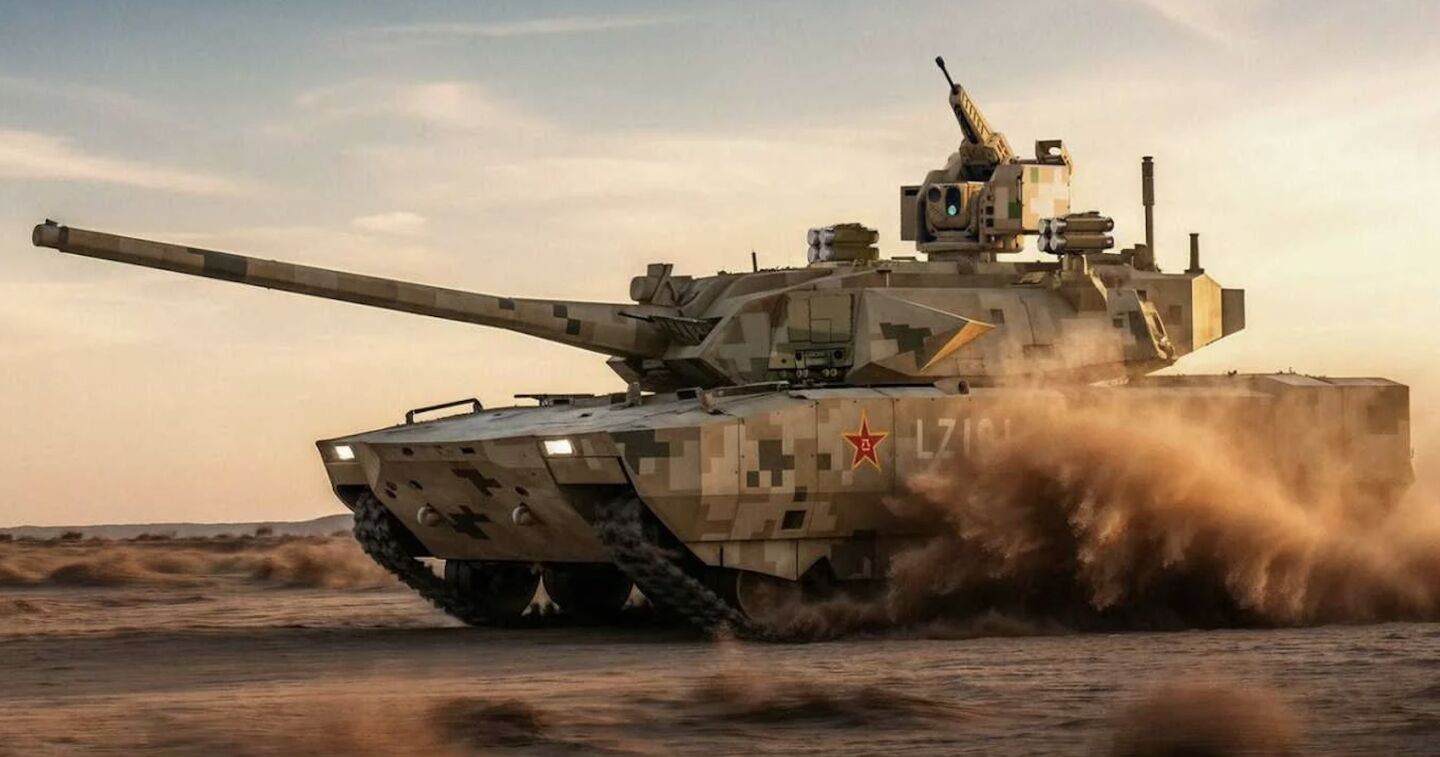
The integration of new reactive armour and active protection systems is particularly relevant given the growing threat posed by modern anti-tank weapons, loitering munitions and first-person-view drones, which have demonstrated an ability to exploit vulnerabilities in the upper and side armour of conventional tanks. Another major modification is the replacement of the conventional roof-mounted 12.7mm machine gun with a remotely operated weapon station armed with a 30mm cannon. This represents a substantial increase in secondary firepower and could give the tank a more effective means of engaging infantry, lightly armoured vehicles and low-flying unmanned aircraft. The larger calibre is particularly relevant as armoured forces increasingly face small drones that can approach from multiple directions and attack vulnerable areas of a vehicle.
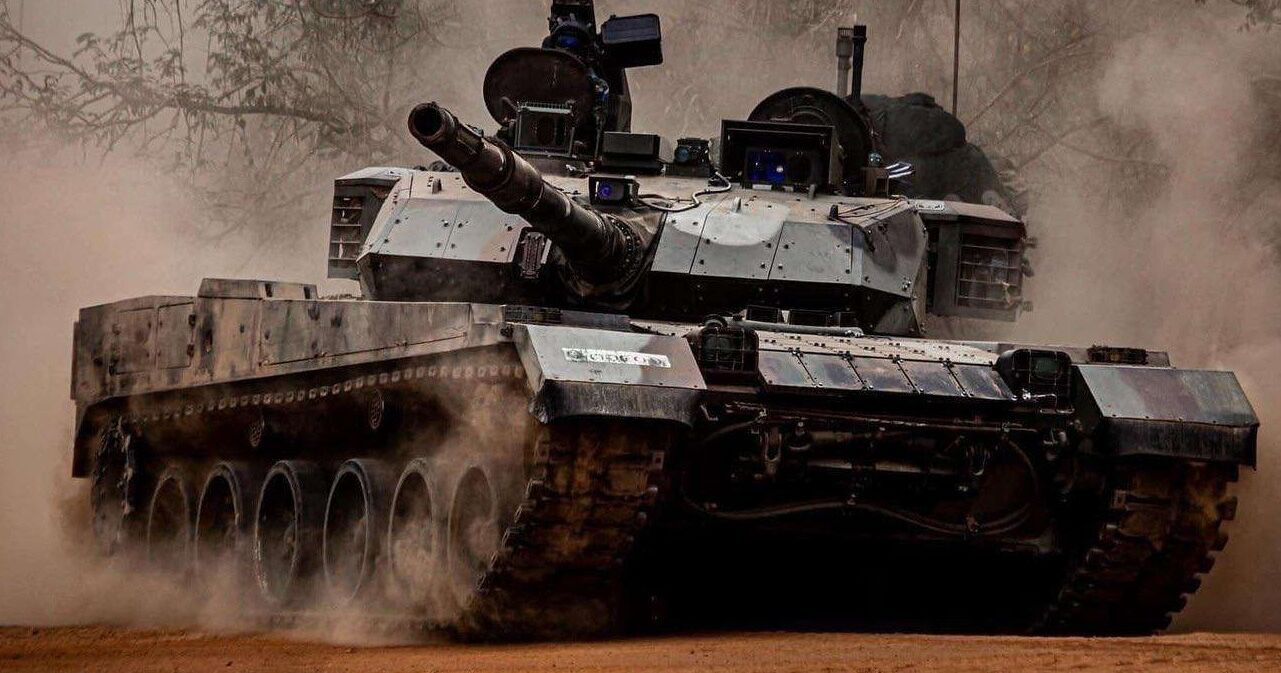
The observation and situational awareness systems have also undergone significant changes. The commander’s conventional sight appears to have been replaced by a larger, independently mounted electro-optical and infrared sensor module, potentially providing improved surveillance and target acquisition capabilities. Comparable sensor suites on newer Chinese tanks incorporate advanced imaging and automated target detection functions, although it remains unclear whether the VT-4B receives the same capabilities. The vehicle also features thicker communications antennas, suggesting improvements to data exchange and integration with tactical battlefield networks.
