
Republic of China’s First Stealth Fighter Program Moves Forward with Major Funding For Next Generation Engine
Military Watch Magazine Editorial Staff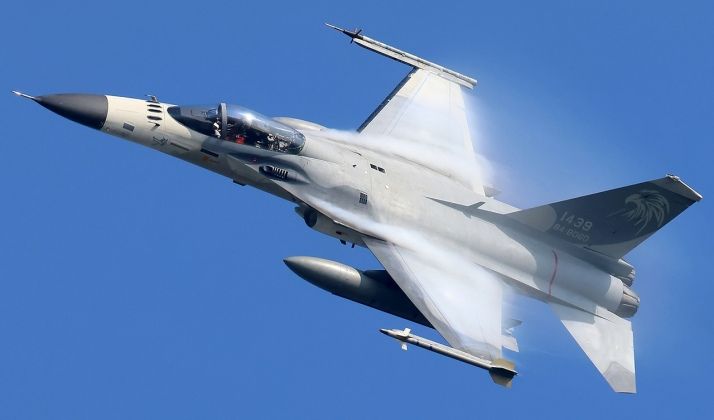
Republic of China Air Force F-Ck Ching Kuo
The Republic of China National Chung-Shan Institute of Science and Technology (NCIST) has budgeted 9 billion New Taiwan Dollars ($290 million) to developing a number of advanced key technologies for aircraft engines, which are widely reported to be intended to power fighter aircraft. The powerplant is reportedly expected to replace the F124 engine currently powering the indigenous Republic of China Air Force F-CK Ching Kuo and Brave Eagle fourth generation fighters. An engine with equivalent thrust to the F124 would allow these U.S.-supplied engines to be phased out of both of these programs. As the Republic of China Ministry of National Defence also considers pursuing the development of a fifth generation fighter to succeed the F-CK Ching Kuo in service, the new engine may also be used on the next aircraft.
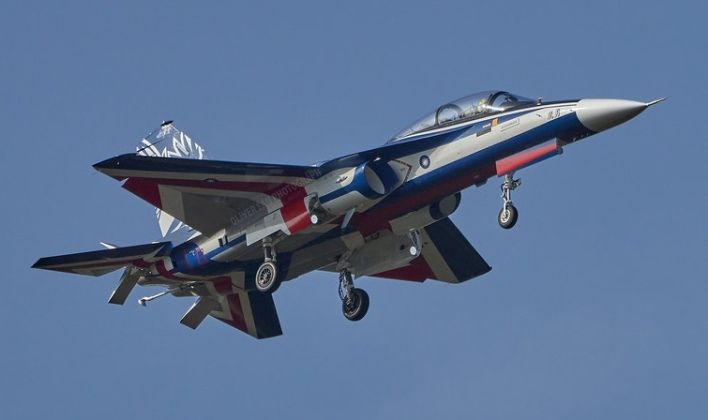
NCIST previously “pushed Vega Project" for developing advanced key technologies for aircraft engines as preliminary engineering preparation for the development of a next-generation fighter jet, with the the first phase of the project pursued from 2018 to 2023. The "Angel Project," meanwhile, is comprised 24 key technology development projects which are intended to support this effort. Twelve key technologies established included hot forging, before proceeding to the second phase of cold forging key technology development. The development of these technologies will reportedly allow a significantly more powerful and efficient successor to the F124 to be developed. The F124 began production in the United States in the 1990s, and was developed specifically to power the F-CK Ching Kuo, of which 137 were produced from 1990-2000.
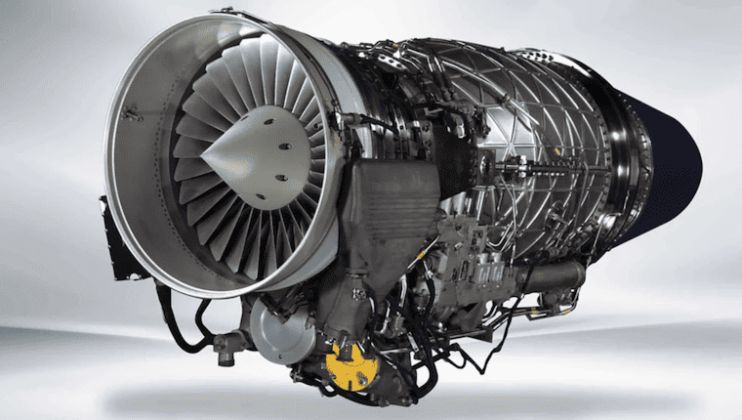
The Air Force’s proposal for a next-generation main fighter aircraft has included requirements for advanced stealth capabilities and a high-thrust, twin-engine design. Some of the most challenging expected requirements from local industry included developing heavy-duty landing gear, an active electronically scanned array radar, a new-generation flight control computer, an active electronic warfare system, an electro-optical targeting system, an internal weapons bay, and an avionics core processing system. The National Chung-Shan Institute of Science and Technology’s lacked of capabilities to develop a high-thrust engine was considered a primary factor preventing the program from moving forward. The development of an indigenous engine that can significantly outperform the F124 would provide a key stepping stone to allowing a fifth generation fighter program to move forward.
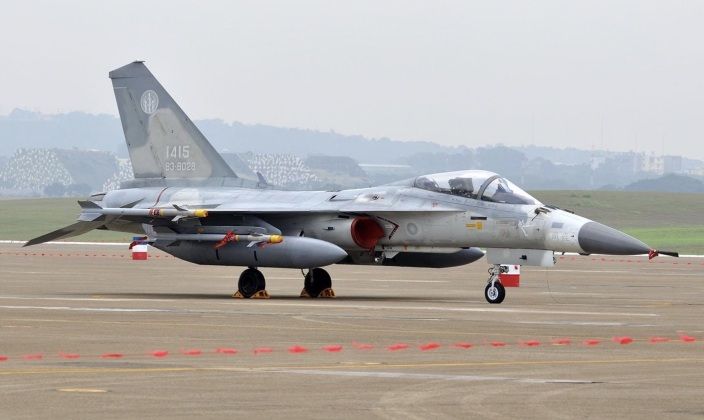
Two of the Republic of China Air Force’s six fighter squadrons are currently made up of F-CK Ching Kuo fighters, while one is currently being formed of Brave Eagle fighters using the same engine. The other three squadrons are expected to all be equipped with F-16s, although major delays to deliveries by the United States has prevented this from being realised by 2027 as previously intended. A fifth generation fighter could replace both the two Ching Kuo squadrons, and potentially two older squadrons of F-16A/B fighters procured in the 1990s, allowing for a production run of approximately 140-280 fighters. The Republic of China’s effective status as a non-state actor, and almost total lack of either international recognition or United Nations representation, will limit the possibility of exports to finance the program and allow for greater economies of scale, while none of the 12 small countries that recognise Taipei having fighter aviation capabilities of their own.
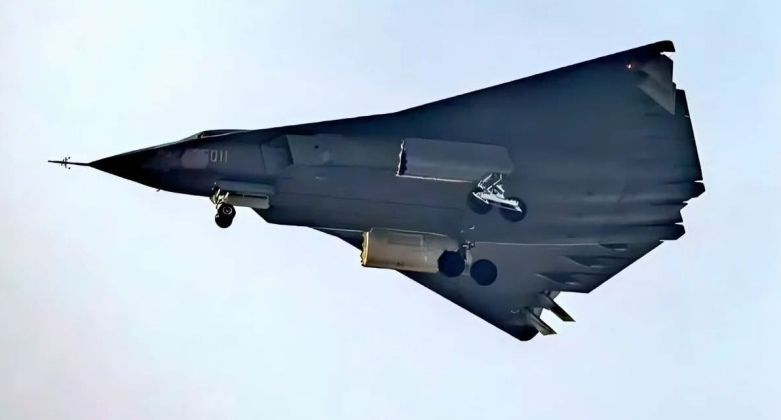
The standing of the Republic of China Air Force’s fighter fleet has diminished rapidly in recent years, with the rival Chinese People’s Liberation Army Air Force, with which it remains technically in a state of war, having begun to operate its first fifth generation fighters in early 2017, and today leading the world in bringing sixth generation fighters into flight testing. Sixth generation fighters are expected to begin to enter service in the early 2030s. While it is almost certain that the Republic of China’s fighter fleet will be left more two generations behind, indigenous fifth generation fighter development could help slow this trend, while also providing a key boost to local industry in ways that investment in fighter imports do not.
