
T-14 Armata Tanks in Syria: Russia’s Latest Armour Deployed to Frontlines Against Jihadist Militants
Military Watch Magazine Editorial Staff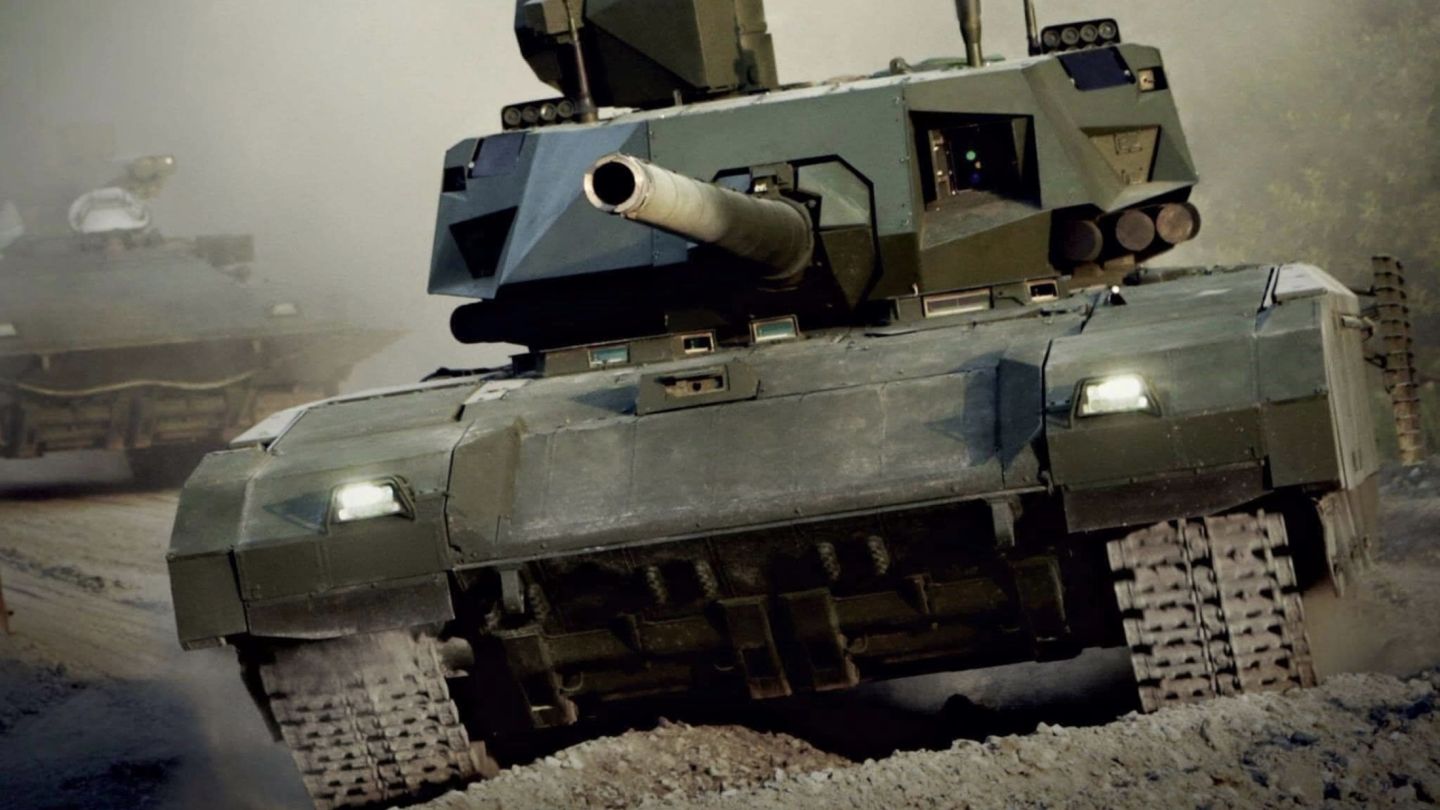
T-14 Armata Next Generation Battle Tank
Russian media has reported that the country’s first class of fourth generation battle tank, the T-14 Armata, has been deployed to Syria for testing. The T-14 was unveiled in 2015 and reportedly entered service that year as a successor to the T-72, T-80 and T-90 platforms which currently make up the bulk of Russian frontline tank units. The Armata is one of just three tanks of its generation in service anywhere in the world today, and integrates a number of next generation subsystems including both passive and reactive armour, weaponry, sensors, fire control, and data sharing among others. With Russia looking to export the tanks to help subsidise the costs of expanded production lines domestically, testing the platform in a low intensity war zone could help to demonstrate that the T-14 is indeed combat ready despite having only entered service in limited numbers.
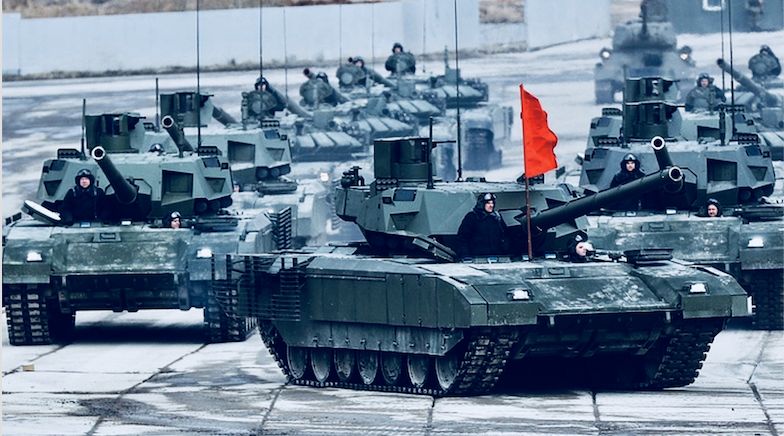
Syria has previously been a testing ground for a range of new Russian weapons systems, including Su-57 and Su-35 heavyweight air superiority fighters, Su-34 strike fighters and a range of associated munitions for these platforms as well as Kalibr and Kh-101 cruise missiles - all weapons systems which entered service after the conflict began in 2011. Russian Minister of Industry and Trade Denis Manturov confirmed the deployment of Armata tanks to Syria on April 19th, stating in an interview that day: “Yes, that’s right. They [T-14 tanks] were used in Syria… They were used in field conditions, in Syria, so, we took into account all the nuances.” Low intensity combat in Syria, where the risk of weapons systems being captured remains low but many major military powers such as the United States and Turkey continue to deploy military forces, provides an ideal testing ground for the weapons system. The T-14 is still very much a work in progress, with a range of new technologies being developed for the platform including new munition types, new armour, a new 125mm gun and possibly a much heavier 152m gun.
