
High Supercruise: Can Russia's Su-57 Fighter Exceed Mach 2 Speeds Without Afterburners?
Military Watch Magazine Editorial Staff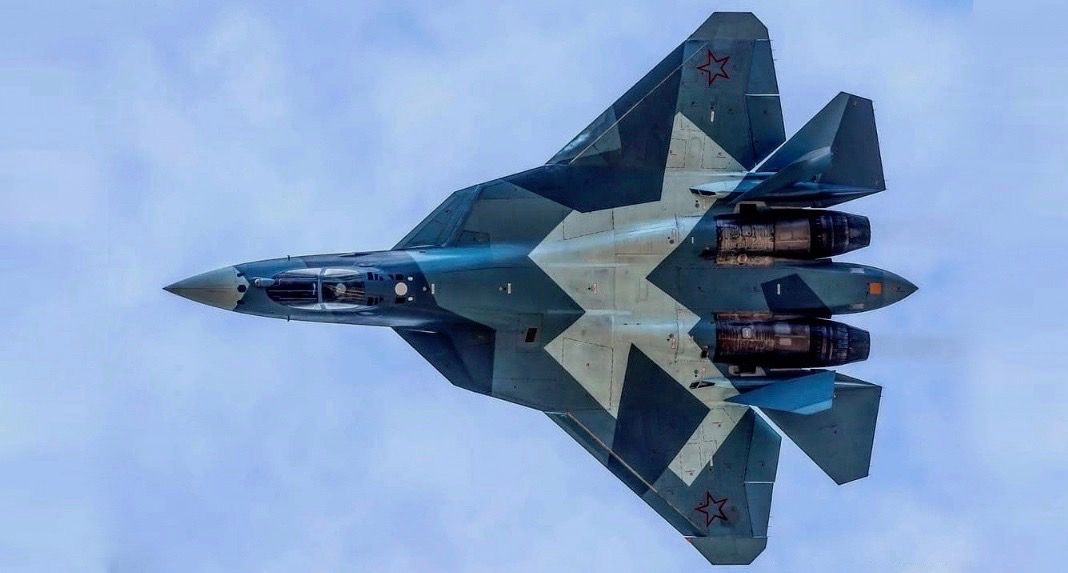
Su-57 Next Generation Fighter
One of the defining features of the U.S. Air Force’s F-22 Raptor fifth generation fighter design is its ability to reach high supersonic speeds without using its afterburners - a unique capability which allows it to conserve fuel and maintain a low heat signature without compromising speed. The fighter replies on its powerful Pratt and Whitney F119 engines engines to achieve such speeds, with each putting out a thrust of approximately 35,000 lbf with afterburners and 26,000 lbf without. While the Raptor was the first fighter in the world capable to flying supersonically without afterburners, a capability known as 'supercruise,' engines are sufficiently powerful to allow the fighter to reach high supersonic speeds of Mach 1.8 without afterburners. The benefits of high speed flight, from imparting more kinetic energy onto launched missiles to allowing aircraft to better evade enemy missile attacks, makes supercruise a highly valued capability. While Russia developed the Su-35 as a challenger to the F-22, which retains a number of capability advantages from manoeuvrability and sortie rates to missile payload and electronic warfare, the platform lacks the ability to supercruise at comparable speeds primarily as a result of its less powerful AL-41 engines. Where the Su-35 has fallen short in the field of supercruise, the Su-57 next generation air superiority fighter is reportedly capable of doing so in much the same was as the American Raptor.
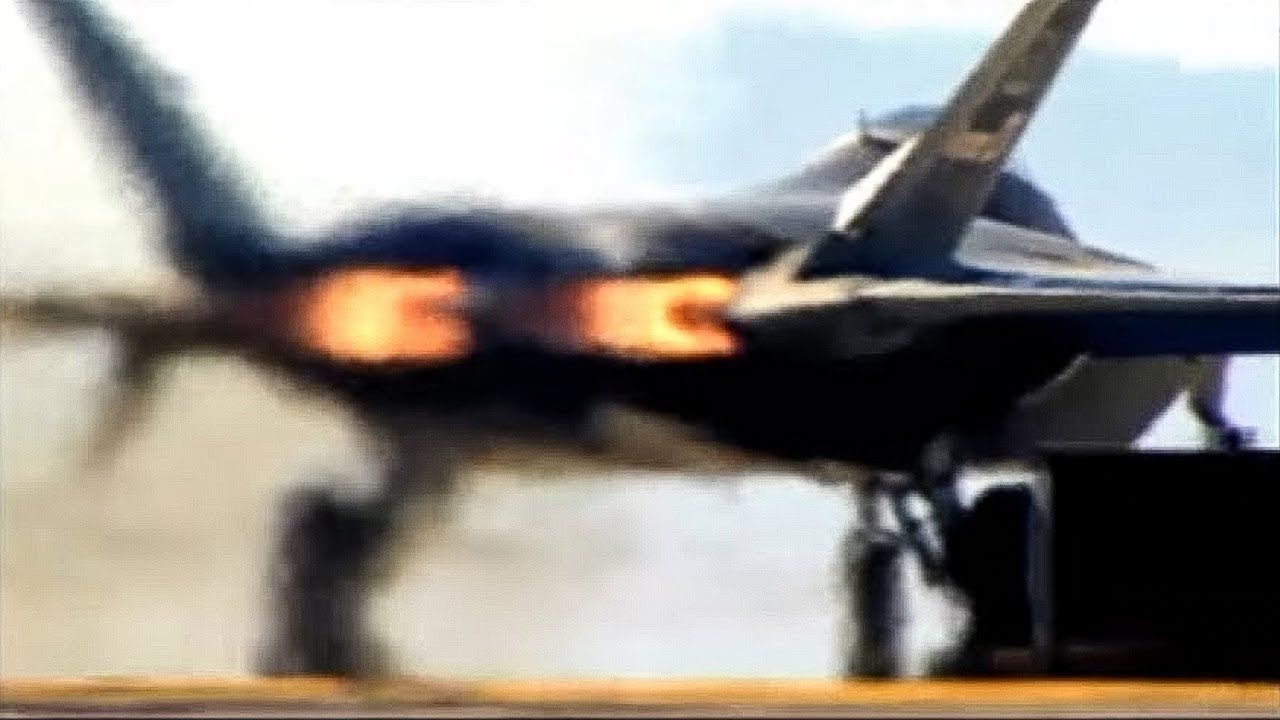
Reports on the Su-57's supercruise capability have been limited so far, and while fighters can exceed Mach 1 using existing AL-41F engines much higher supercruise speeds are expected once it integrates the more modern Izdeliye 30 engines. These engines are expected to be 30% lighter than their predecessors, but will put out considerably more thrust with over 24,000 lbf dry and 39,550 lbf with afterburners. It has been rumoured that these engines could be sufficient to allow the fighter to exceed speeds of Mach 2 without afterburners, the first in the world to do so, although this remains unconfirmed.
