
Su-57 Fighter’s New Central Role Securing Russian Air Superiority Confirmed by Air Force Commander
Military Watch Magazine Editorial Staff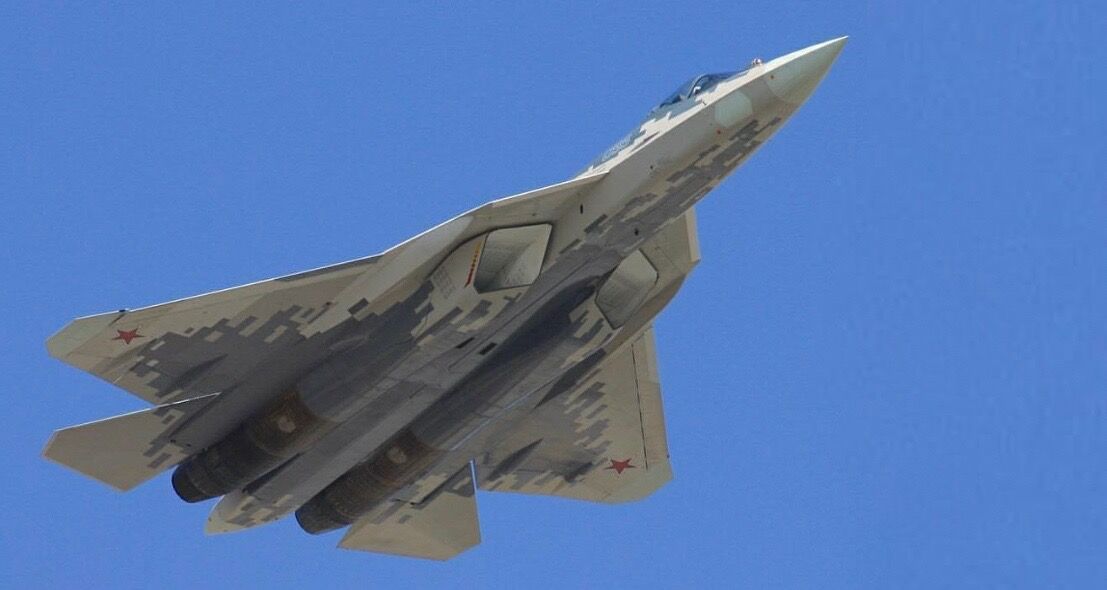
Russian Air Force Commander and Deputy Commander-in-Chief of the Russian Aerospace Forces Sergey Kobylash has provided new details on the roles of the fast expanding Su-57 fifth generation fighter fleet in service, as the aircraft has introduced a new generation of capabilities. He stressed that the fighter was “a key element for achieving air superiority, adding that during Russian-Ukrainian War aviation and aviation munitions "reached a qualitatively new level, making it possible to effectively engage aerial targets, including cruise missiles and unmanned aerial vehicles, and to deliver strikes with precision weapons both on the front line, in the tactical zone, and deep in enemy territory.” This was “previously was accessible for fire engagement only to cruise missiles employed by long-range aviation and the navy." While the Su-57’s important role in deep strike operations has been widely reported, the extent to which it is relied for securing Russian air superiority remained highly uncertain.
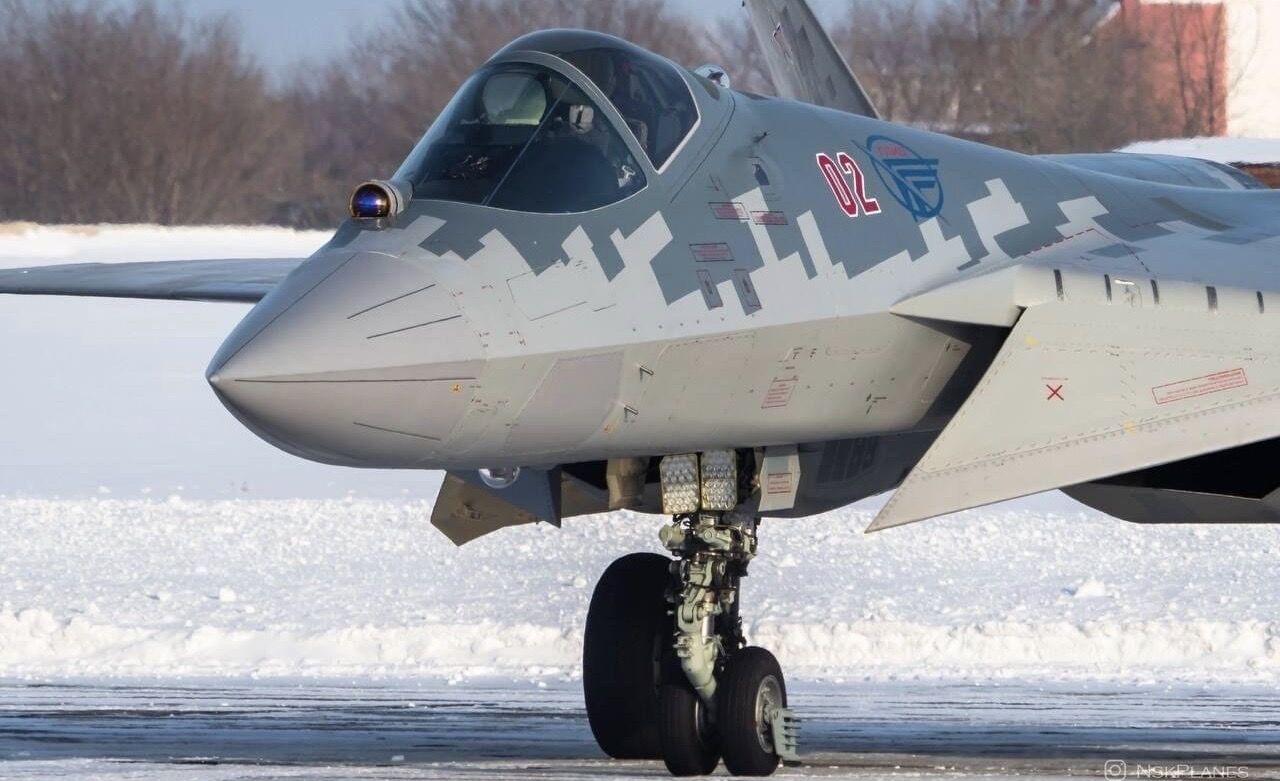
The Su-57 was in service in very limited numbers when Russian-Ukrainian hostilities broke out in 2022, with under half a dozen having been delivered to the Aerospace Forces. The fleet has since grown rapidly, however, with an estimated 50-60 currently operational. Even when the fleet was small, however, Western and Ukrainian assessments indicated that the fighters were deployed for a wide range of roles including air-to-air combat, suppression of hostile air defences, and complex precision strikes. The intensity of operations had steadily risen as the size of the fleet has grown, and as the rate of fleet growth has accelerated.
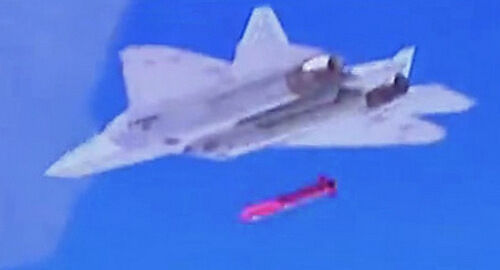
Ukrainian sources reported by in May 2024, and again in September that year, that Su-57 units had intensified their strikes on the country, with reports in August 2025 indicating that these operations had expanded to include whole formations of the aircraft. according to a report by the Ukrainian-linked analyst ‘Sonyashnyk,’ were previously operations were limited to smaller numbers of fighters. Regarding the growing complexity of operations, the source noted: “one aircraft provides cover using long-range R-77M air-to-air missiles while another pair conducts strikes with Kh-69 cruise missiles or precision-guided bombs.” The fighter type’s combat potential for air-to-air operations is significantly higher than those of other Russian fighter types, with its stealth capabilities, sensors, avionics and weaponry all being unrivalled within the fleet.
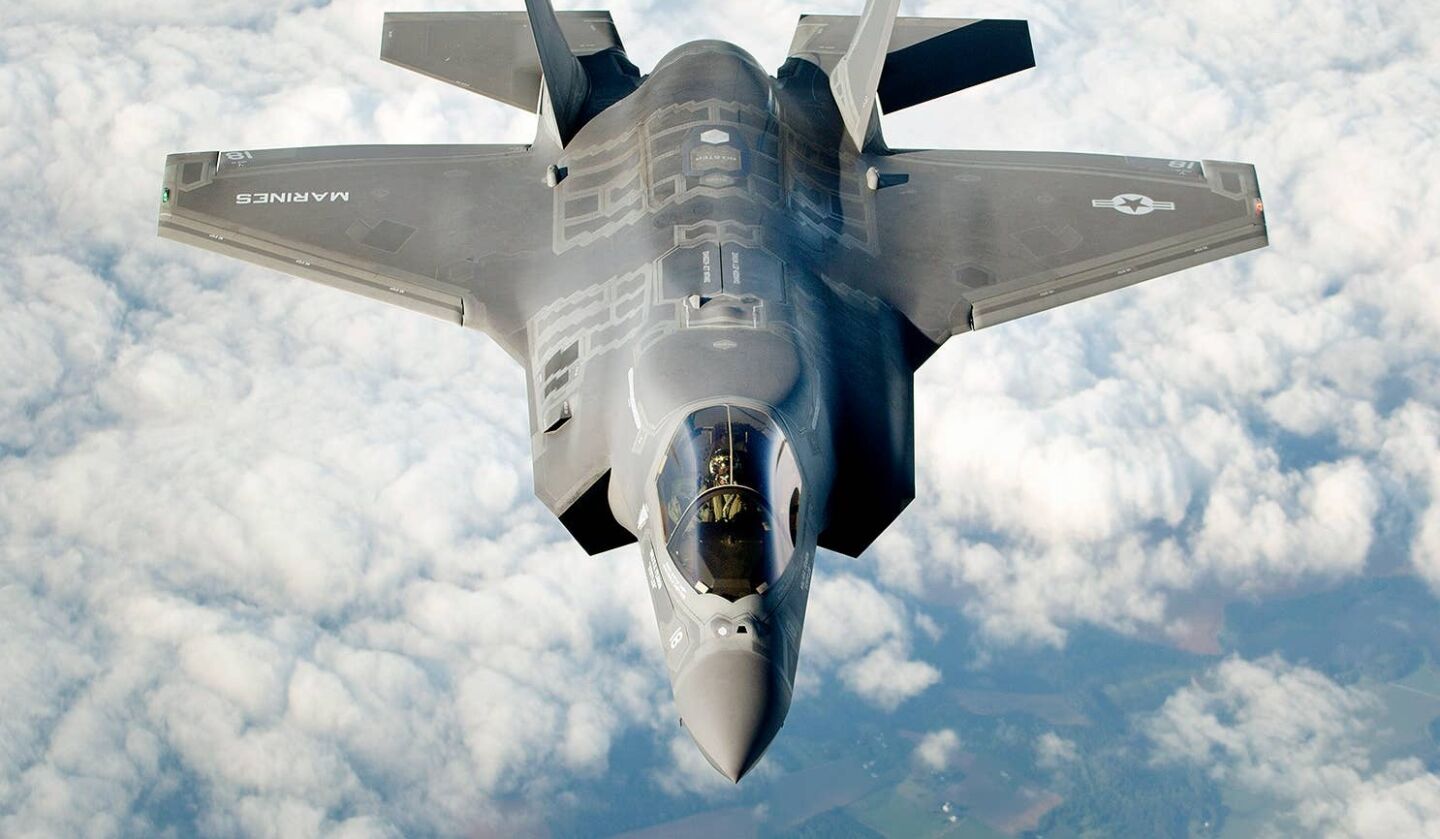
Despite its advances over preceding fighters, the Su-57 remains significantly behind its Chinese and U.S. rivals both in terms of the size of the fleet, and many of its capabilities. It has nevertheless been combat tested much more intensively, and integrated air-to-ground missiles from a much earlier stage in development, reflecting differences in Russian doctrine. Su-57s are the only fighters known to have operated in heavily defended Ukrainian airspace, indicating confidence in their survivability. The scope of the Su-57’s operations in the Ukrainian theatre have remained significant, and included air defence suppression, air to air combat, and operations in heavily defended enemy airspace, as well as a range of precision strike missions.
