
Step Towards Nuclear Weapons: Iran Increases Uranium Enrichment By Over 1000%
Military Watch Magazine Editorial Staff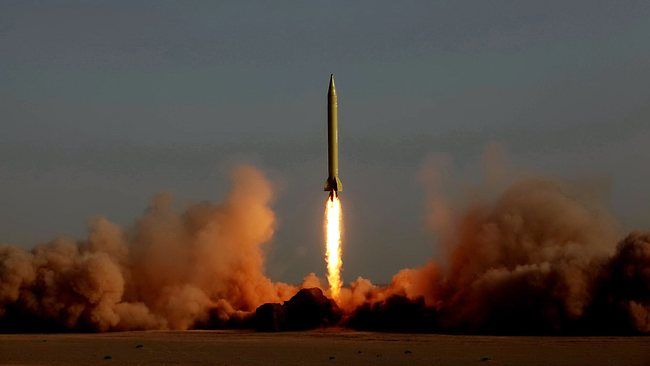
Iranian Shahab-3 Intermediate Range Ballistic Missile - a suspected nuclear-capable platform
With the continued undermining of the Joint Comprehensive Plan of Action (JCPOA) nuclear agreement between Iran, China, Russia, the United States and three European powers, Tehran has moved to increase production of low-enriched uranium after restarting work at two major production facilities. The facilities, Natanz and Fordo, resumed work in response to the United States’ withdrawal from the JCPOA in May 2018 an subsequent imposition of harsh economic sanctions on the country. Overall production has increased from 450 grams daily to at least 5.5 kilograms, possibly considerably more, marking an increase of more than an order of magnitude.
Iran’s known enrichment level is significantly below the level needed to post a threat of developing nuclear weapons, with uranium currently enriched only to 4.5 percent still far below weapons grade levels of over 90 percent. Increasing the scale of enrichment could nevertheless be seen as a first step towards resumption of high level enrichment. Iranian officials threatened to withdraw the country from the Treaty for Non Proliferation of Nuclear Weapons in April 2019, although the international community's response to such a move remains uncertain with many states placing the blame for the crisis on the policies of the Donald Trump administration. Full resumption of economic sanctions through the United Nations Security Council thus remain unlikely.
