
Stealth Fighters Come to Budapest; Hungary Shows Interest in F-35 Acquisition
Military Watch Magazine Editorial Staff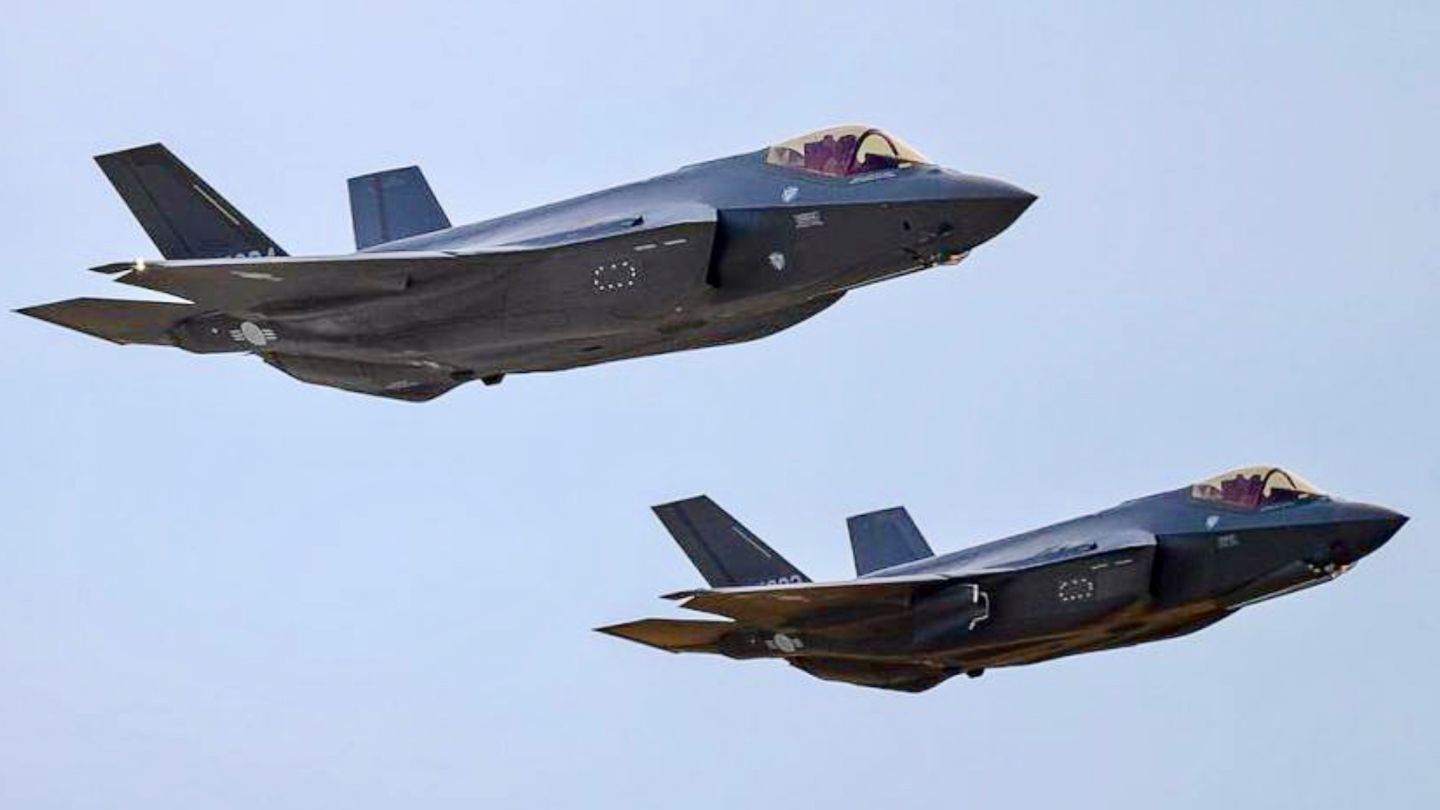
F-35 Fifth Generation Stealth Fighters
Hungary has shown significant interest in acquiring F-35A fifth generation fighters amid deteriorating relations with neighbouring European states and attempts to improve ties to the United States. The Eastern European country currently operates a single fighter squadron, a unit of fourteen fourth generation Gripen C single engine light fighters on loan from Sweden, but with Stockholm increasingly critical of Budapest’s policies defence ties between the two countries could soon deteriorate. Sweden’s Gripen program has struggled in recent years, with the lightweight but extremely costly jet outmatched almost across the spectrum by its American counterpart the F-16 Fighting Falcon which is heavier, more cost effective and more sophisticated. The country has reportedly been forced to invest heavily in jets beyond its Air Force's requirements just to keep production lines open due to a lack of foreign interest. Thus a move by Hungary to terminate its operation of the Gripen could come as a considerable blow to Sweden's defence sector. As a senior Hungarian government official stated regarding the response to Stockholm’s intervention in the country’s internal affairs: “The Swedes were digging their own grave with their many anti-Hungarian attacks… It is conceivable that we are buying F-35s instead.”
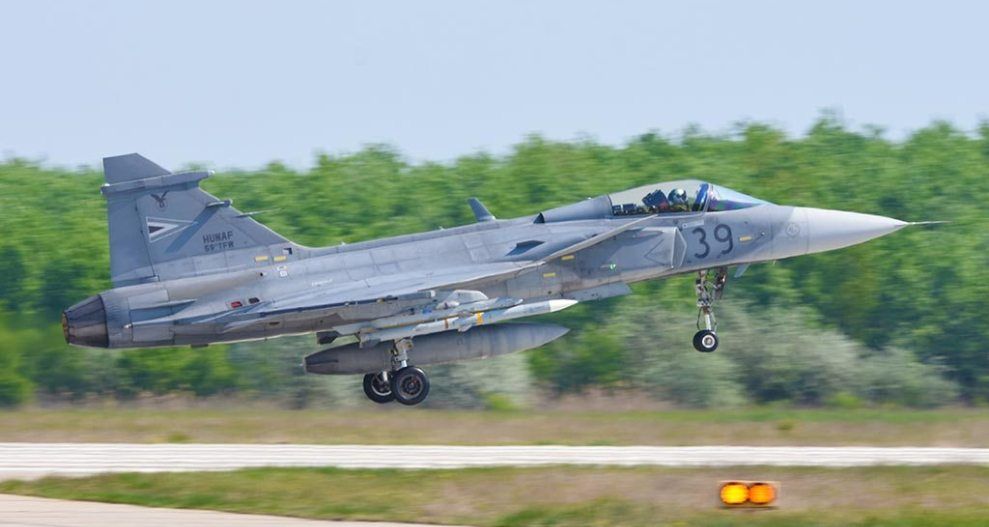
While the F-35A is arguably the most sophisticated Western fighter in service today, and alongside the F-22 Raptor and upcoming F-15X is considered among the among the most capable, a number of questions remain about its suitability for the Hungarian Air Force. As the name of the F-35 development program, the Joint Strike Fighter, indicates, the aircraft is heavily oriented towards an offensive role including the penetration of enemy airspace and air to ground strikes. While the unspecialised Gripen is capable of such a role, it is primarily deployed by Hungary to patrol the country’s own skies. Nevertheless, with access to advanced American air to air missiles such as the AIM-120C, and with compatibility with the European Meteor missile which could be acquired should ties again improve, the fighter remains far more capable than the Gripen in air to air combat with some of the world’s most powerful sensors and electronic warfare systems and a radar cross section reducing stealth profile. With an annual defence budget of around $1.3 billion, Hungary’s ability o operate large numbers of F-35A jets also remains questionable. While the F-35A is considered far more cost effective than its European counterparts, and has a relatively low cost of just $80 million per airframe despite its next generation capabilities, the aircraft’s operational cost remains high at around $30,000 per hour. This means that operating the fighters over decades will impose considerable costs annually over time.
