
South Korea Updates the World’s Most Advanced NATO-Standard Tanks with Anti-Drone Interceptor System
Military Watch Magazine Editorial Staff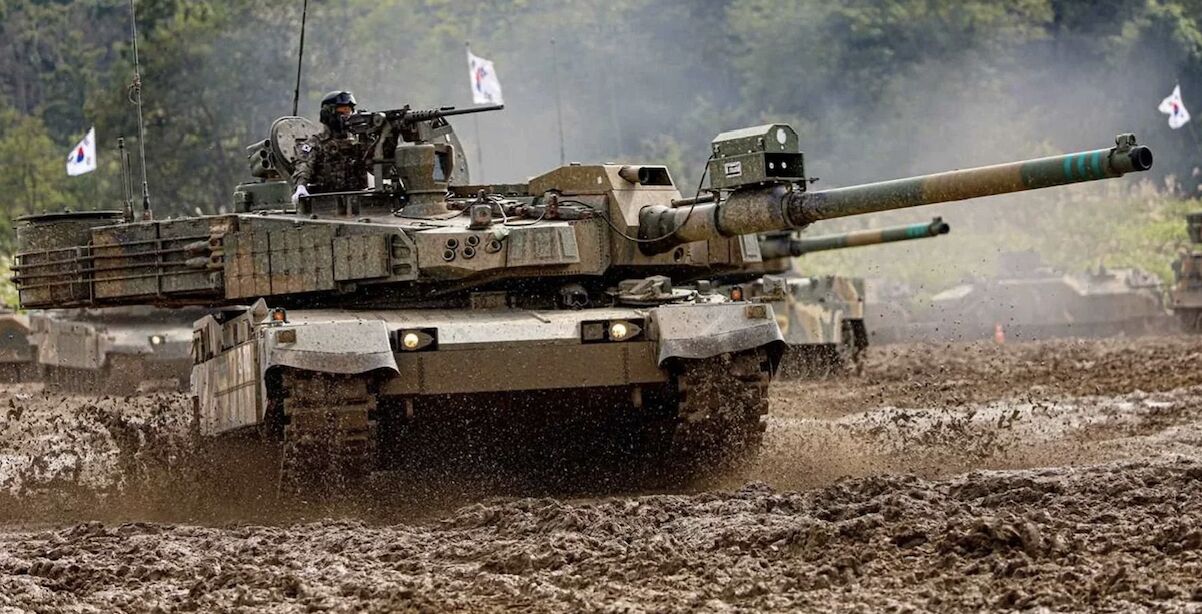
South Korean K2 Tank
The Republic of Korea Army is preparing to integrate a new active protection system onto its K2 Black Panther main battle tanks that will significantly enhance their ability to engage hostile drones. The program, approved by the country's Defense Acquisition Program Administration (DAPA), will add an active protection system (APS), electronic-warfare equipment and a remotely controlled weapon station to the K2. The K2 Tank Performance Upgrade Project is valued at approximately 3.43 trillion won ($2.43 billion) and is scheduled to run from 2028 to 2046. The unusually long modernisation program reflects an effort to keep the K2 relevant against rapidly evolving threats over the coming decades.
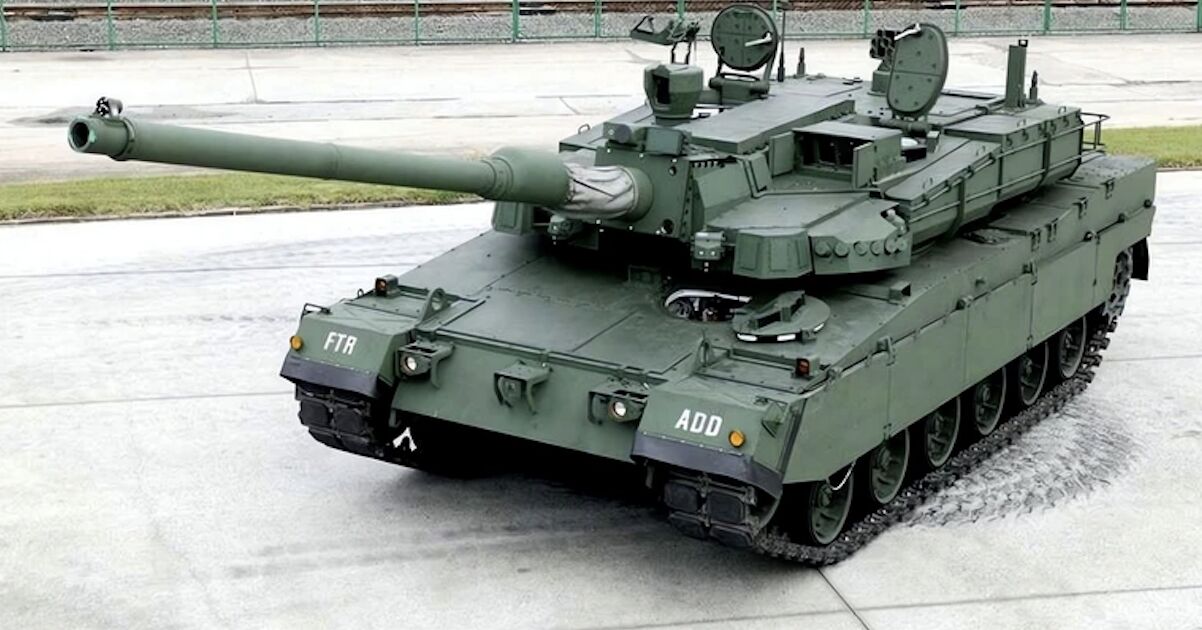
The K2 is widely considered the most capable NATO-standard tank by a significant margin, and has proven highly successful on export markets with major sales to Poland and Turkey. South Korean military planners have placed particular emphasis on the growing use of drones and loitering munitions, which have demonstrated an ability to attack armoured vehicles from directions that conventional armour is not optimised to protect. Experience of the war in Ukraine has shown that inexpensive first-person-view drones and loitering munitions are now a leading threat to main battle tanks, with Russia having accelerated work on its own active protection system in response.

South Korea was one of the first countries in the world alongside China and Israel to develop indigenous active protection systems and widely integrate them onto frontline units. Russia and North Korea have since developed their own systems, while countries in the Western world are modernising their tanks with procurements from Israel. The vulnerability of armoured vehicles to attacks against their roofs, rear sections and other weakly protected areas has encouraged militaries worldwide to supplement passive armour with active and electronic protection.
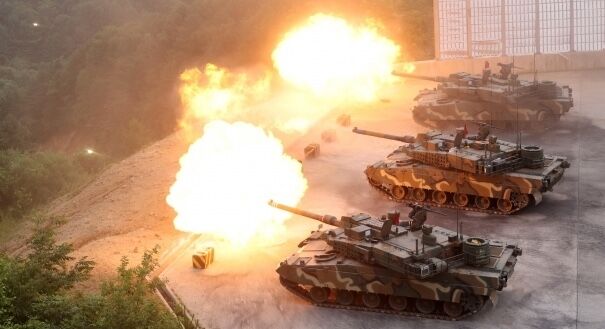
The K2 already incorporates a sophisticated defensive architecture. Its existing protection includes a millimetre-wave radar associated with its missile approach warning capability, laser-warning receivers, radar warning equipment and smoke grenade launchers. The planned active protection system will build on this architecture by providing the tank with the ability to physically intercept incoming threats rather than merely detect them or obscure the vehicle's signature.

The K2 upgrade will also incorporate electronic jammers intended to disrupt hostile drones. This will provide the tank with a defensive layer that can engage threats without necessarily requiring a kinetic interceptor. The combination of electronic warfare and hard-kill protection is intended to provide a layered defence against unmanned systems. A remote-controlled weapon station will provide another component of the upgraded tank's defensive architecture. Together with the active protection system and electronic warfare equipment, it will improve the K2's ability to detect and engage threats in close proximity while reducing the need for crew members to expose themselves.
