
South Korea Proceeds with Ambitious Tailless Sixth Generation Fighter Program: What Makes it So Challenging?
Military Watch Magazine Editorial Staff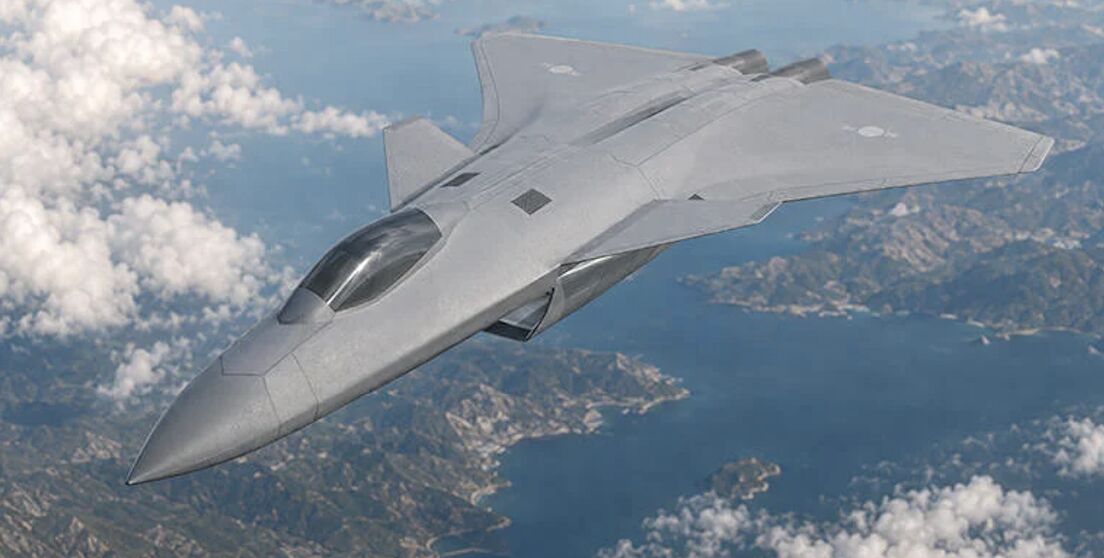
South Korean Tailless Sixth Generation Fighter Concept Art
South Korea’s Defense Acquisition Program Administration (DAPA) issuing a request for proposals for a conceptual study of a future Korean next-generation combat aircraft, which is intended to establish the aircraft’s operational concept, configuration and technology roadmap. Notably, the requirements point toward a highly stealthy, twin-engine and potentially tailless aircraft substantially more advanced than the conservative KF-21 fifth generation design. The proposed study is scheduled to last 14 months, with its requirements reportedly including the examination of two competing stealth fighter configurations.
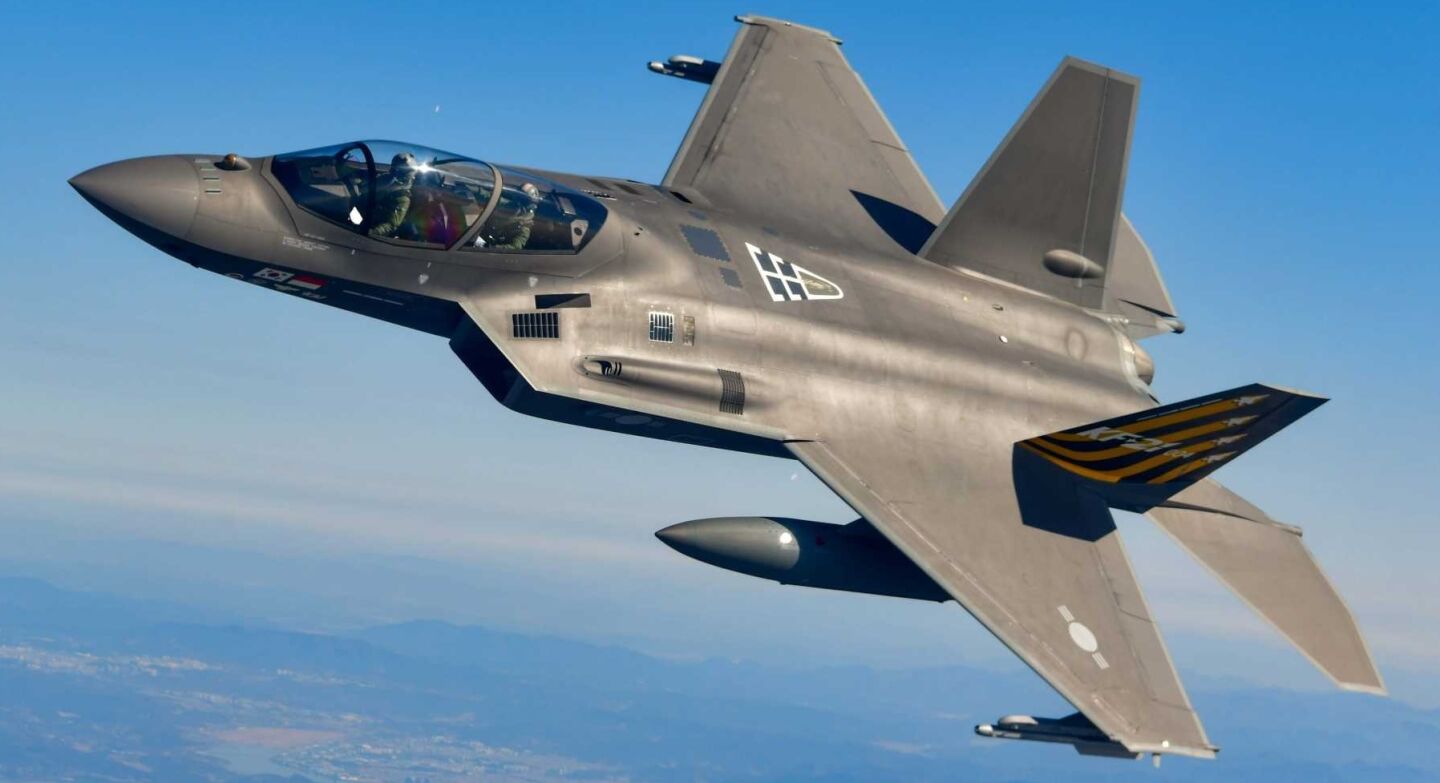
The desired technologies for the new fighter include a tailless design, alternative flight-control surfaces, broadband stealth covering the L-, S- and X-bands, two adaptive-cycle engines capable of supporting supersonic cruise, a single-seat cockpit and internal weapons bays. The development of a tailless fighter would represent a major technological step for South Korea. The configuration eliminates conventional vertical and horizontal stabilisers, potentially reducing radar cross-section while also producing aerodynamic and flight-control challenges. South Korea’s Agency for Defense Development (ADD) has already been investigating such configurations, providing an important foundation for the new program.
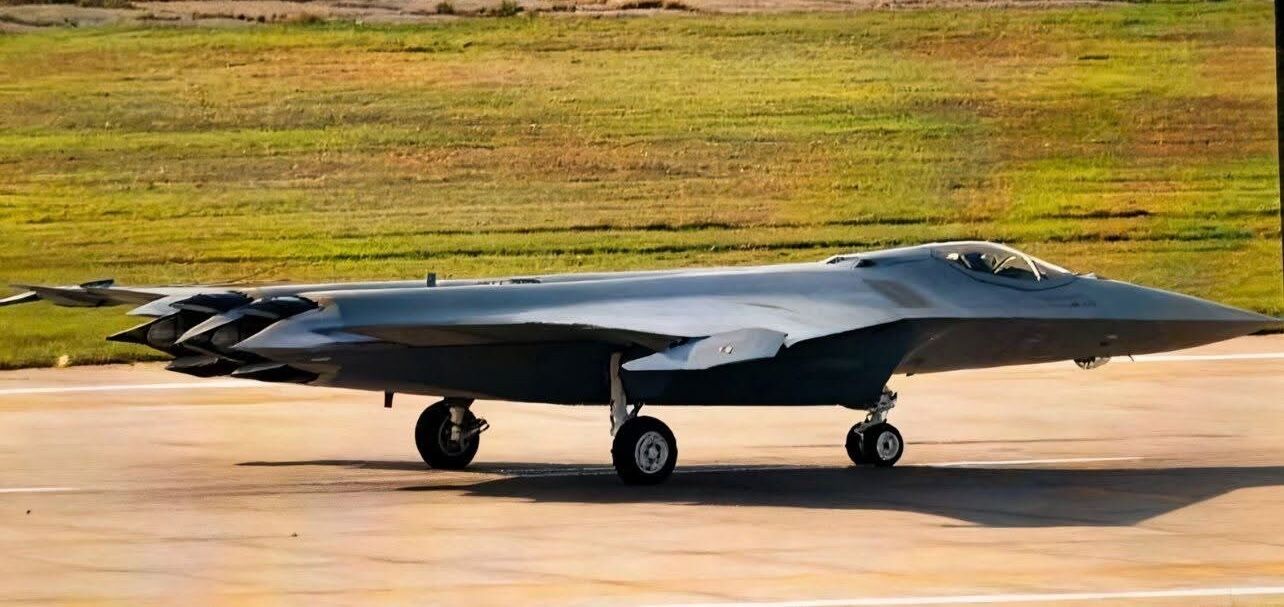
A tailless design is considered a key prerequisite for sixth generation fighters, although less ambitious European ‘5+ generation’ programs have sought to claim sixth generation level capabilities while still using less stealthy airframes with tails. Tailless fighters are highly challenging to make manoeuvrable because they lack the horizontal tailplanes that conventional fighters use to control pitch, provide stability, and generate rapid changes in attitude. Designers must instead rely on sophisticated flight-control software and control surfaces integrated into the wing, making the aircraft inherently more challenging to control.

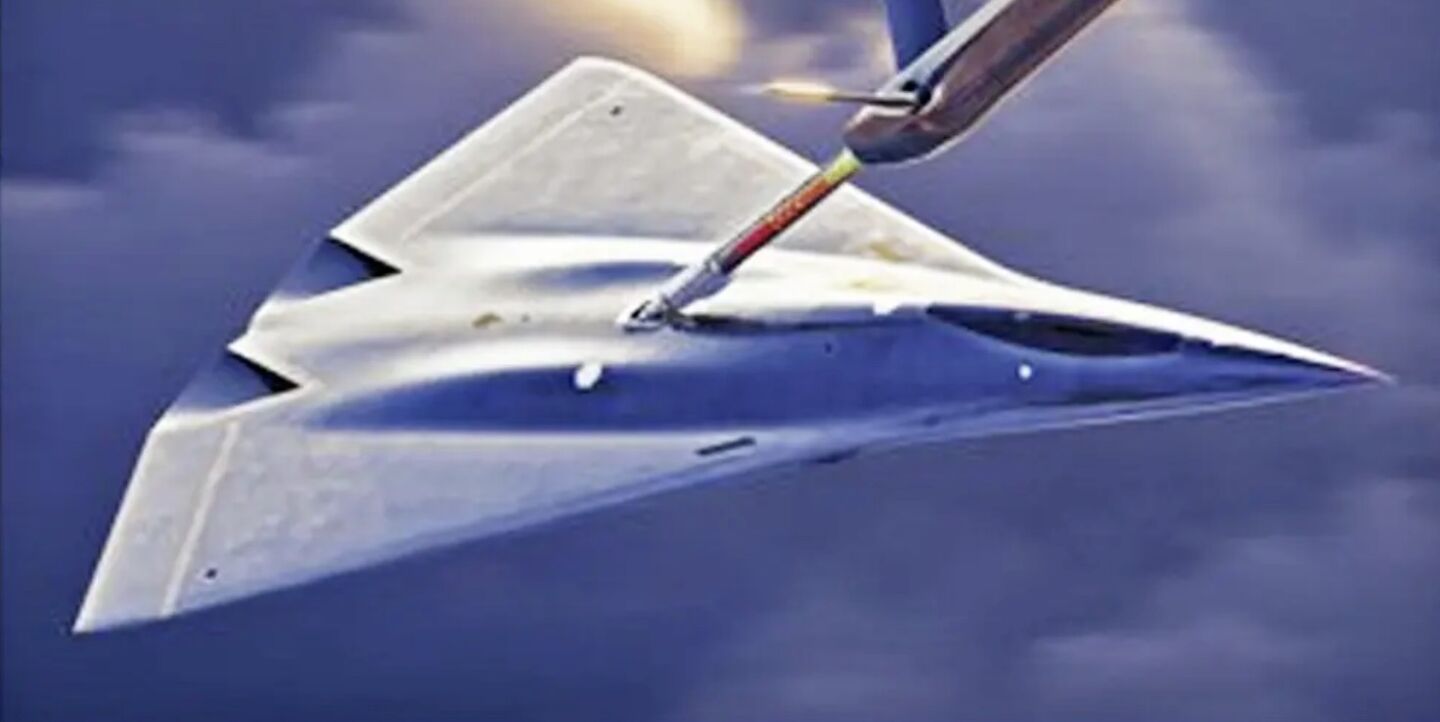
China’s defence sector is the only one to have developed a manoeuvrable tailless fighter, although the U.S. F-47 sixth generation fighter is expected to also have a tailless design, albeit using canards which will limit its stealth capabilities longer wavebands. South Korea’s Agency for Defense Development publicly revealed a concept for a sixth-generation fighter at the Aerospace Conference 2026 in Daejeon on July 7. According to the agency, the design was produced as part of research into methods for rapidly generating aircraft configurations and analysing their aerodynamic performance and radar cross-section. It combines a tailless configuration with a double-delta wing and canards.
The propulsion requirement is arguably the most ambitious aspect of the program. DAPA’s request calls for two adaptive-cycle engines capable of supporting supersonic cruise. Adaptive-cycle propulsion is intended to allow an engine to alter its operating characteristics according to flight conditions, providing greater efficiency during cruise while retaining high thrust when required for combat or supersonic flight. Such an engine would represent a major technological challenge for South Korea, which remains significantly behind China and the U.S. in engine development. No adaptive cycle engines are known to be close to entering service worldwide.
