
South Korea Begins its First Air-to-Air Missile Program: North Korea Already Has Already Developed Two
Military Watch Magazine Editorial Staff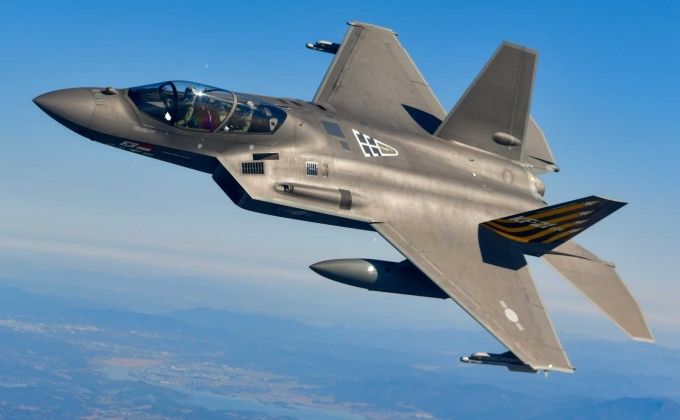
South Korean KF-21 Fighter Prototype
The Republic of Korea Defence Acquisition Program Administration has announced the formal launch of a program to develop indigenous short-range air-to-air guided missile for the new KF-21 fifth generation fighter aircraft. The 435.9 billion-won ($296 million) program will be led by the Agency for Defence Development, with local defence contractors including LIG Nex1 and Hanwha Aerospace expected to participate. The program is specifically intended “to diversify weapons systems and increase arms exports,” according to the administration at a time when South Korea’s combat aviation sector has continued to strengthen its standing on global markets. The American AIM-9X and German IRIS-T were both previously under consideration to serve as the KF-21’s primary air-to-air armament, with the development of an ingenious missile potentially undermining export plans for both of these missile types.
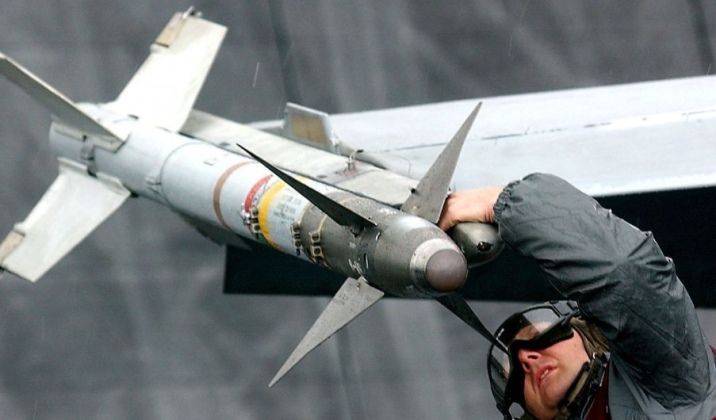
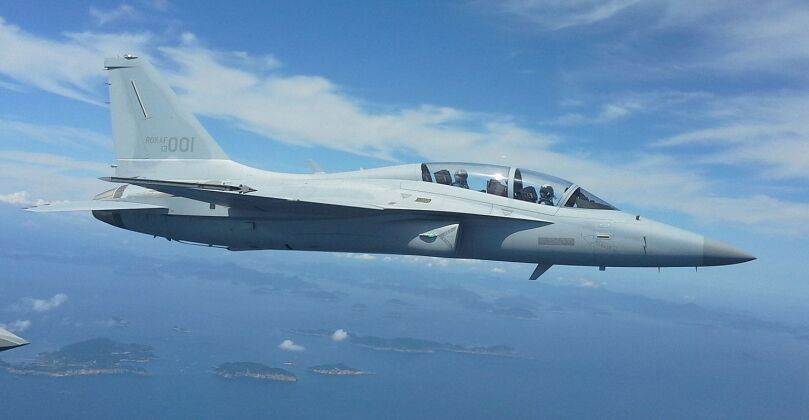
The Defence Acquisition Program Administration observed that the new missile program “is expected to mark a key milestone in advancing Korea’s airborne weapons systems and expanding the nation’s defence industry in the aviation sector.” It emphasised that indigenising air-to-air missile capabilities was “essential for ensuring strategic autonomy,” and would enable more flexible arms procurement options at a time of evolving geopolitical pressures and shifting export control regulations. The growing client base for the FA-50 and its trainer variant the T-50 provides a significant potential client base for the new missile type, with the aircraft having already been sold to Poland, Iraq, Senegal, Thailand, Indonesia and the Philippines. Broader efforts have been made to phase out imports in the KF-21 program, with plans currently underway to end reliance on the American F414 engine by developing an indigenous alternative.
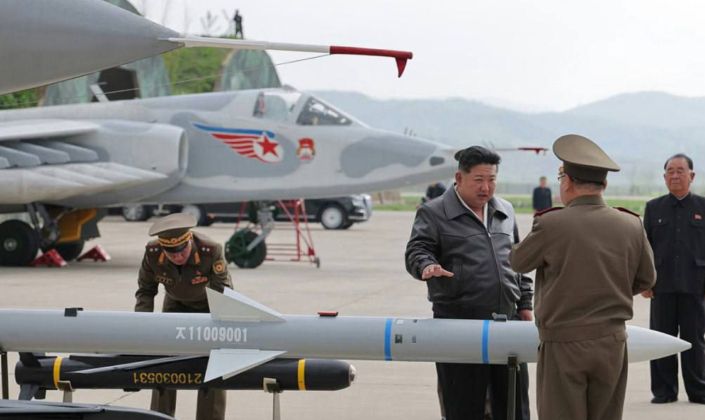
The initiation of South Korea’s first air-to-air missile program follows North Korea’s unveiling of its own infrared guided and radar guided air-to-air missile types at the National Defence Development Exhibition Self Defence 2021 in October 2021, and the bringing of the radar guided type into service in frontline units in May 2025. The status of the North’s infrared guided air-to-air missile remains uncertain, however, raising the possibility that the program may be awaiting either the procurement of new fighters, or the development of new helmet mounted sights. The possibility of North Korea receiving new fighters from Russia, including Su-57 fifth generation fighters and modernised MiG-29 variants, has been raised repeatedly, and could add further urgency to the South’s KF-21 program and associated missile development efforts.
