
Severe U.S. Patriot Air Defence Shortages Lead Denmark to Order Less Advanced European Rival For Faster Delivery Time
Military Watch Magazine Editorial Staff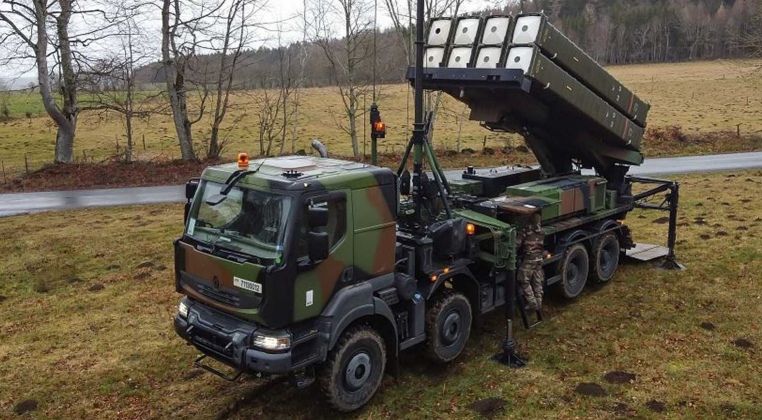
Launcher From SAMP/T NG
The French firm Thales which was a primary developer of the SAMP/T NG has announced that the Danish Defence Ministry has signed a contract to purchase system, becoming the first client for the system outside the two developer countries France and Italy. Denmark will initially purchase four systems totally approximately €1.47 billion as part of the country national air defence plan, with a total budget of €7.8 billion. The Danish Defence Ministry’s plan is to purchase eight SAMP/T NG systems to meet requirements for medium- and long-range air defence has primarily been influenced by the perceived excessively long delivery time of the rival U.S. MIM-104 Patriot system, meaning it cannot meet the perceived urgent need to restore a long range surface-to-air missile capability. In March 2026, it was reported that the delivery of the Patriot system to Switzerland would be delayed by 4 to 5 years, highlighting the supply bottleneck that is expected to increasingly dissuade clients.
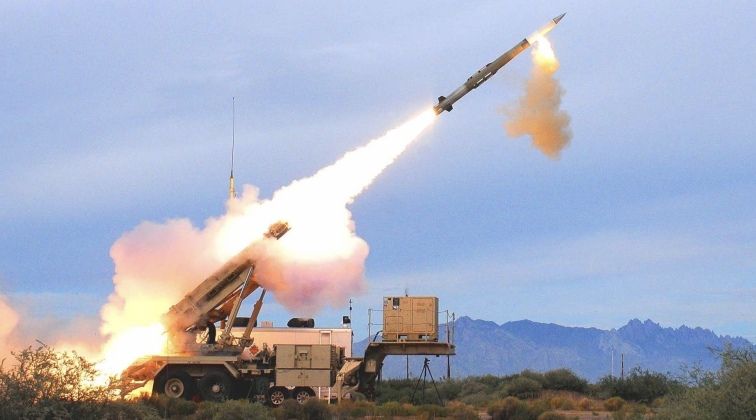
France is leading a pan-European effort to market the SAMP/T NG air defence system to countries on the continent, as an alternative to the U.S. MIM-104 Patriot which currently serves as NATO’s primary long range surface-to-air missile system. The system has adapted the Aster 30 missile developed for European surface combat ships for integration with ground launchers. The SAMP/T NG has an engagement range of 150 kilometres and a 25 kilometre engagement altitude. Its Ground Fire 300 radar can search for various targets within a 400 kilometre range with a 1-second update rate. The system has long failed to compete on a comparable level to the Patriot, as well as non-NATO alternatives such as the Chinese HQ-9 and Russian S-400, although political factors including a growing trends towards European states seeking to insulate themselves from political changes in the United States has provided an opportunity for the otherwise uncompetitive system to gain orders.
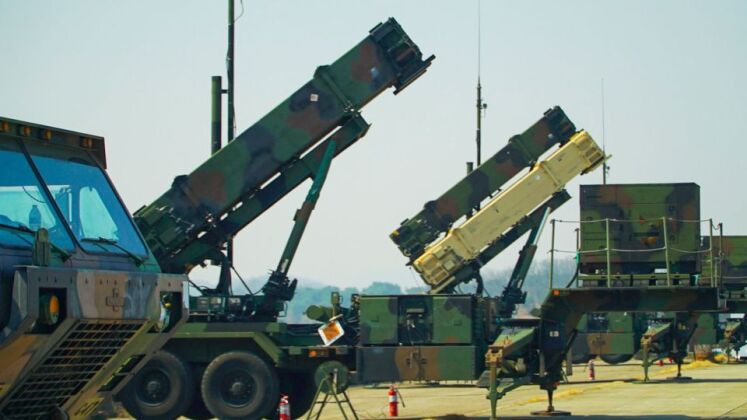
Following the mass donation of European states’ Patriot systems to Ukraine, their rapid destruction by Russian forces has ensured that demand for additional systems for frontline operations remains high. The Netherlands and Germany were the first two countries to have pledged to supply the systems, with other European states having rapidly followed suit. German officials in March warned that the country had been left poorly protected against potential air or missile attacks as a result, reflecting broader trends among European states. The issue has been exacerbated by the United States’ own extreme shortages of interceptors for systems in U.S. Army service, with the U.S. Armed Forces having confirmed in July 2025 after twelve days of engagements with Iranian forces that their own supplies had fallen to just 25 percent of the volume deemed necessary by the Pentagon. Reports from multiple Western sources confirmed on March 5, 2026, that the United States Army has expended over 800 anti-ballistic missiles from the systems during just five days of engagements with Iranian forces, leaving shortages increasingly critical and forcing the Army two draw from stockpiles at bases across the world, most notably in South Korea.
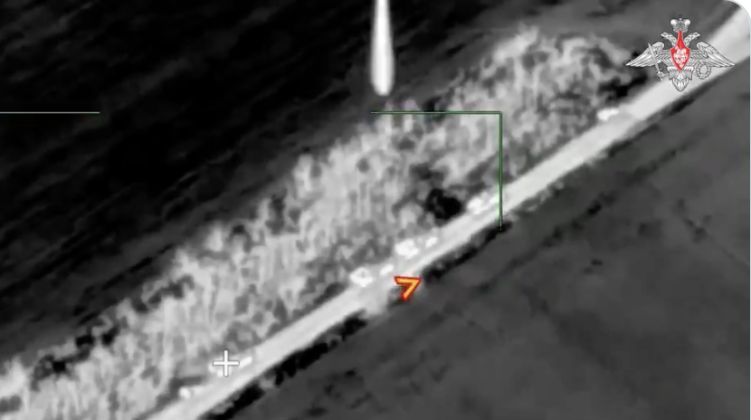
The capabilities of the Patriot system have repeatedly been called to question, with the relatively low speeds of its missiles being just a fraction of those from Chinese and Russian systems, limiting the kinds of targets they can be used against and leaving them vulnerable to themselves being shot down. Western and Ukrainian sources have widely commented on the Patriot’s extreme limitations against Russian missile attacks. Former Deputy Chief of General Staff of the Ukrainian Armed Forces General Igor Romanenko in October revealed that the effectiveness of the Patriot system had “fallen from 42% to 6%” against Russian missile attacks, after other officials and analysts had widely warned of the same in the preceding months. The U.S. Army has responded by commissioning the development of a heavily enhanced variant of the system, which among other enhancements will gain an expanded 360 degree arc of fire, up from the current 120 degree arc, matching the capabilities of Chinese, Russian and North Korean systems in this regard. The SAMP/T NG suffers from many of the same limitations as the Patriot, albeit with capabilities that are significantly more constrained still due to the much greater limitations of the European technological base.
