
Serbia Deploys Chinese HQ-22 Surface-to-Air Missile Systems For Anti-Drone Drills in Eastern Europe
Military Watch Magazine Editorial Staff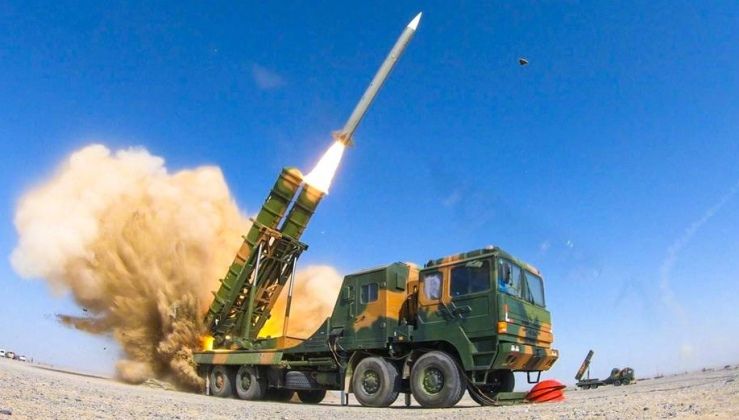
Surface-to-Air Missile Launch From Chinese HQ-22 System
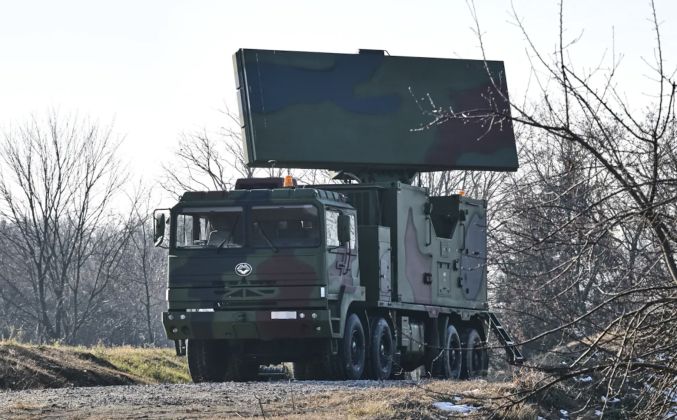
The Serbian Army’s 250th Air Defense Missile Brigade has deployed HQ-22 medium range air defence systems for intensive operational training, which specifically focused on countering simulated drone and precision guided missile attacks. Since its delivery in April 2022, the system has formed the core of Serbia’s air defence network, replacing obsolete Vietnam War-era systems, and helping to compensate for the obsolescence of the country’s fighter fleet which dates back to the 1980s. The procurement was the first by a European state of a Chinese medium or long-range surface-to-air missile, reflecting Serbia’s unique position as a strategic partner of NATO which has nevertheless sought to sustain a predominantly Soviet-style defence infrastructure.
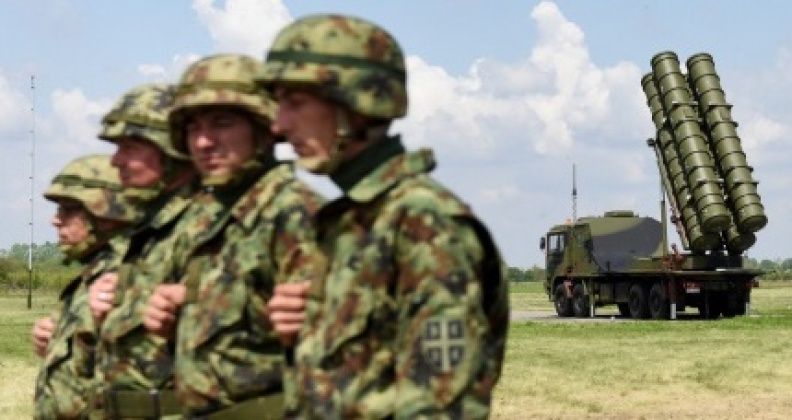
The HQ-22 was announced on January 2, 2025, to have become fully operational in the Serbian Armed Forces, with the new assets seen by senior officers to have revolutionised the country’s air defence capabilities. Commenting on the operationalisation of the systems, the Defence Ministry observed: “By arming the Air Force and Air Defence with the new FK-3 [HQ-22] air defence missile system, the airspace control and protection system has been significantly improved in the Republic of Serbia.” Commander of an HQ-22 unit Captain 1st Class Stefan Manic observed that it was a ”milestone in air defence systems” for the country. He emphasised that the Chinese system’s anti-jamming capabilities, and its sophisticated ability to counter enemy anti-radiation missiles, placed its effectiveness and survivability levels at the cutting edge. The commander further praised that the HQ-22’s extensive countermeasures against electronic warfare attacks and its advanced fire control capabilities.
Preceding its procurement of the HQ-22, Serbia was seen to be a leading potential client for Russian S-300 or S-400 long range air defence systems, with Serbian authorities widely reported in the late 2010s to be considering procuring an S-400 regiment on a long term credit agreement with Russia. Serbian President Aleksandar Vucic stated during Slavic Shield live-fire exercises in 2019 the intention to procure the systems, after the Russian Aerospace Forces deployed a battalion to the country to participate in the exercises. Where the issue of cost could have been circumvented, however, pressure from the European Union leveraging Belgrade’s intentions to accede to the bloc, and threats from the United States to impose economic sanctions, between them deterred the country from going through with a deal.
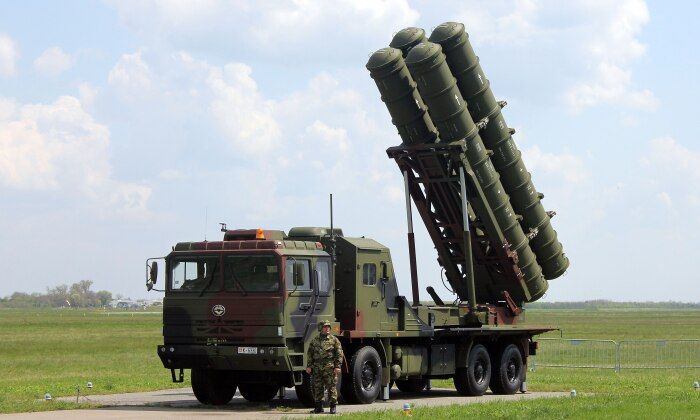
Although Serbia faced considerable pressure not to acquire the HQ-22, it was considered less objectionable by neighbouring European Union member states due to the much higher levels of tensions with Russia. The system is capable of engaging all kinds of air-breathing aircraft, as well as cruise and ballistic missiles traveling at speeds of up to Mach 3, and at altitudes of up to 27 kilometres. It has a range of 100 kilometres. Upon the first delivery of the systems, President Vucic observed that they provided “powerful deterrent” against potential attackers, announcing: “We will no longer allow to be a punching bag for anyone.”
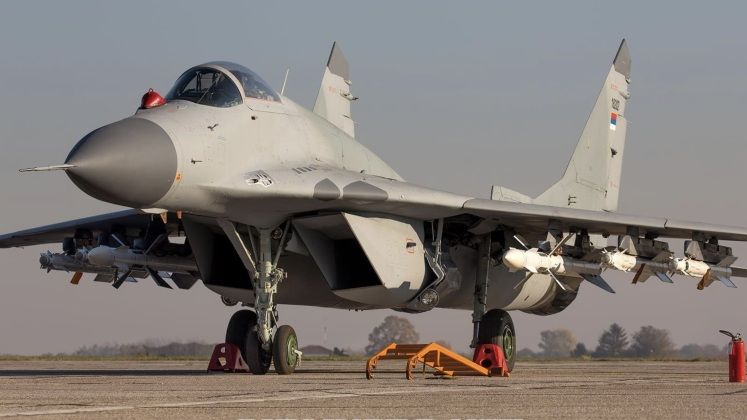
Historical memory of NATO’s bombing of Yugoslavia in 1999, which included use of highly toxic depleted uranium against civilian areas and strikes on media buildings and outdoor markets, is thought to have led Serbia to place a strong emphasis on air defence despite its limited defence budget. Significant questions remain regarding the future of the country’s air defence capabilities, with the country appearing positioned to procure downgraded variants of the French Rafale fighter, which will be delivered without their primary air-to-air weapon, the Meteor. The possibility of a reversal of this decision due to geopolitical circumstances has repeatedly been raised, with the Chinese J-10C considered a potential leading candidate to replace Serbia’s MiG-29 fighters and complement the ground-based network built around the HQ-22.
