
Saudi Eurofighter Hit by Yemeni Air Defences During Combat Operation: Field Performance Remains Problematic
Military Watch Magazine Editorial Staff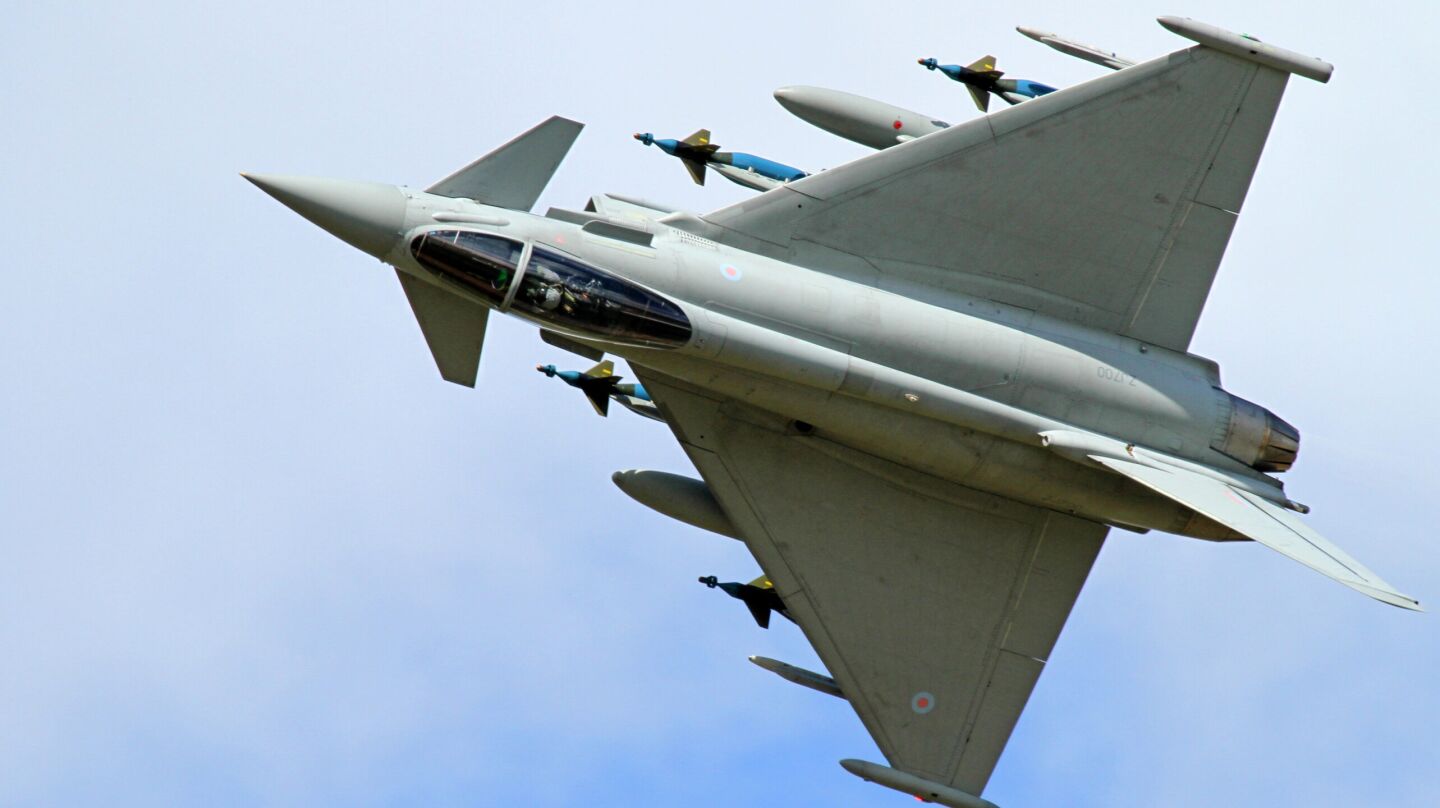
Eurofighter
Yemen’s Ansarallah Coalition has claimed to have struck a Royal Saudi Air Force Eurofighter over northern Yemen with a surface-to-air missile, reportedly damaging the aircraft severely enough to put it at risk of crashing. The group’s military spokesperson, Brigadier General Yahya Saree, announced the attack on October 14, stating that the aircraft had taken off from Taif Air Base in western Saudi Arabia before being engaged over Saada Governorate. Coalition-affiliated media subsequently released footage purporting to show the missile engagement and an explosion close to the aircraft. Saudi authorities have not publicly confirmed the incident.
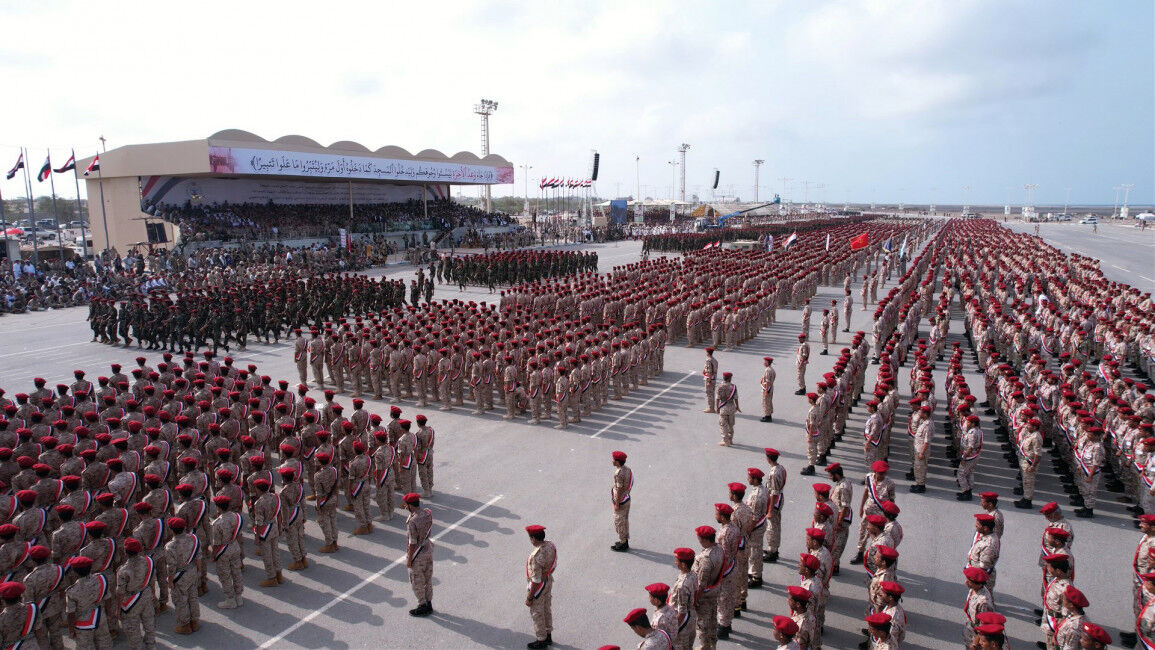
Saree stated that the missile scored a direct hit and that the aircraft was at risk of crashing. Infrared imagery appeared to show a plume trailing from its starboard wing area after the detonation. The extent of the damage and the aircraft’s subsequent fate have not been independently established. While the missile type has not been identified, it is speculated to be an Iranian-supplied Barq-1 or Barq-2 surface-to-air missile, or an older Soviet-designed system. Coalition forces have modified Soviet R-27 air-to-air missiles to be launched from the ground, and have taken a significant toll on the combat aviation fleets of Western-aligned Arab states. Eurofighters have taken considered losses during hostilities in the Middle East since the beginning of the year, with fighters in Kuwaiti and Italian service repeatedly having been hit and taken losses to strikes on their bases.
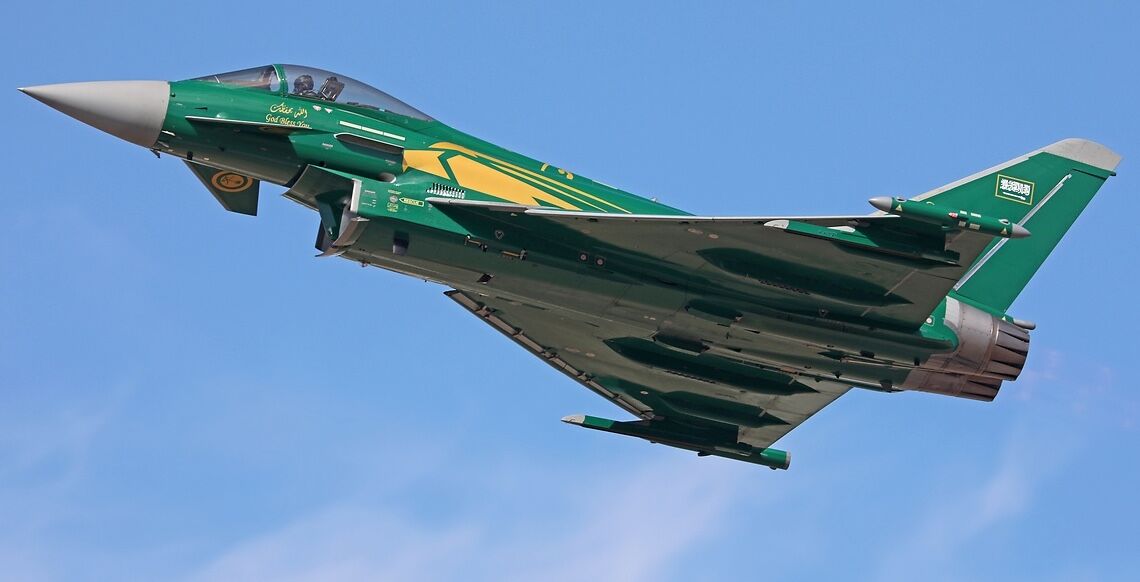
According to Royal Saudi Air Force sources, the procurement of the Eurofighter has been highly controversial, with a strong consensus having formed that the costly aircraft were ordered for political reasons, rather than due to the strengths of their combat capabilities. The aircraft are compared particularly unfavourably with the Air Force’s F-15s, including both Cold War era F-15C/D fighters, and the modern F-15SA ‘4+ generation’ fighters that are among the most capable in the region. Other than a small sale to Austria, the Eurofighter has failed to secure contracts outside the Middle East, and in Europe has consistently lost every tender in which it has competed with the F-35, while also losing to the F-15 and F-16 across much of the world from the United Arab Emirates to Singapore and South Korea. The aircraft’s limitations were prominently highlighted during the Zilzal-II joint air exercises in Qatar in January 2024, which saw Pakistan Air Force J-10Cs achieve a 9-0 score during engagements with the latest Eurofighter Tranche 3A/ Tranche 4 variants.
