
Satellite Images Confirm U.S.-Supplied Patriot Missile Defences Fail to Stop Iranian Strikes on Key Bahraini Air Base
Military Watch Magazine Editorial Staff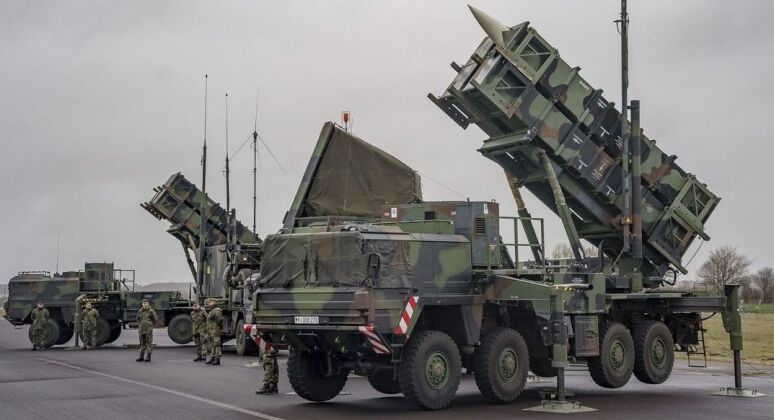
Launchers From Patriot Air Defence System
Satellite images have confirmed that Iranian strikes have destroyed multiple parts of an MIM-104 Patriot long range air defence system at Riffa Air Base in Bahrain, while damaging two reinforced shelters at the facility. Bahrain is one of multiple Gulf states that has supported the U.S.-led war effort against Iran, primarily by providing access to military bases to support power projection operations. Footage has repeatedly shown Patriot systems failing to successfully engage Iranian ballistic missiles, and indicated that Gulf states operating the system have begun to fire three rather than two interceptors from the systems against each incoming missile to attempt to compensate for the much lower than expected probability of success. The Patriot’s failure has followed multiple reports from Bahraini sources of the surface-to-air missiles failing and striking civilian areas.
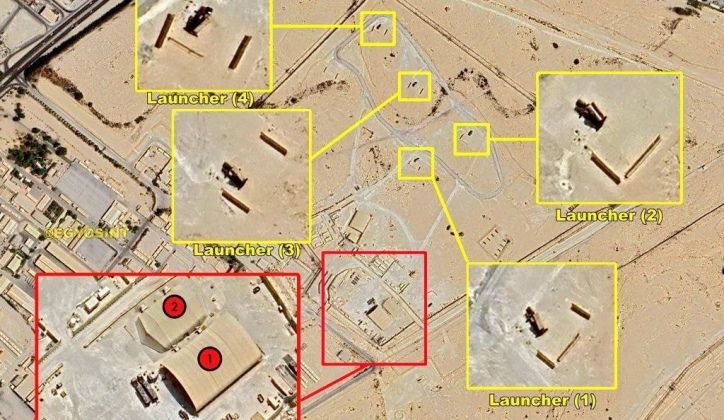
The successful Iranian strike on Riffa Air Base closely follows the publication of footage showing two Iranian ballistic missiles striking oil facilities at the United Arab Emirates port of Fujairah, and failed efforts by the United Arab Emirates Armed Forces to use a Patriot system to intercept them. Less clear footage from Qatar has similarly shown a Patriot system consistently failing to intercept targets. Preceding the current hostilities, very limited Iranian strikes on June 23, 2025, proved capable of striking the U.S. Air Force’s largest overseas facility, Al Udeid Air Base in Qatar. This was achieved despite the Iranian Islamic Revolutionary Guard Corps using lower end Fateh-313 missiles, and giving prior warning of the attacks, and in spite of the very high concentration of both U.S. Army and Qatari Air Force Patriot facilities protecting the facility.
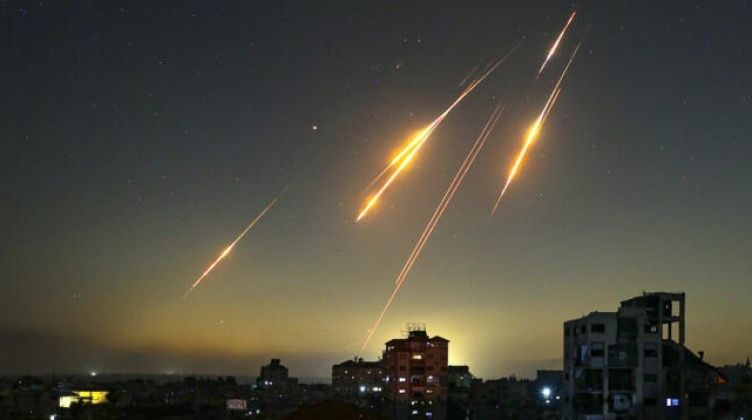
The capabilities of the Patriot system have been cause for considerable controversy long before the U.S. and Israel initiated a war against Iran on February 28. In Ukrainian service the effectiveness of the Patriot system against Russian missile attacks has been widely questioned, with Ukrainian and Western sources having for months warned that its ability to intercept attacks has been limited. Ukrainian Air Force spokesman Igor Ignat on May 26 highlighted the system’s shortcomings in this regard, , while chief of communications for Ukrainian Air Force Command Yuri Ignat in early October confirmed that the service was facing growing challenges in intercepting Russian ballistic missile attacks.
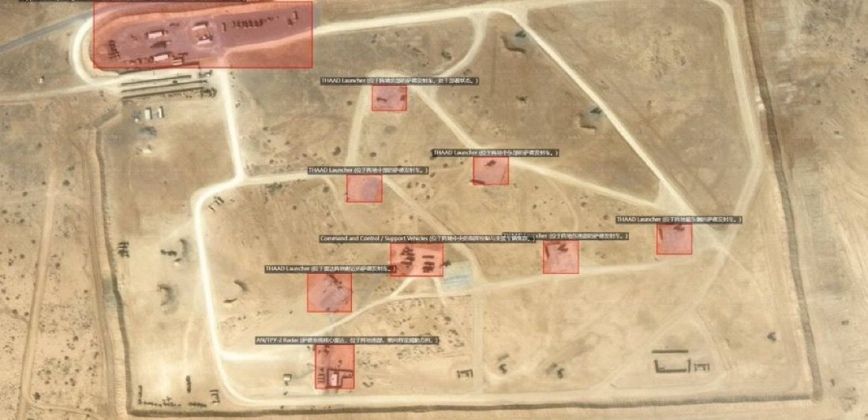
The Patriot was first employed in combat to intercept very basic Iraqi Scud missile attacks during the Gulf War in 1991, where they were assessed to have achieved a negligible success rate close to zero percent. The systems were a primary cause of friendly fire during the U.S.-led invasion of Iraq, firing on multiple U.S. fighter aircraft, leading them to being disabled. Despite claims of success by U.S. and Saudi sources in intercepting Yemeni ballistic missile attacks in late 2017, an investigation quickly proved that they had totally failed. When deployed to guard Saudi oil fields, they were also totally unsuccessful in intercepting drone strikes launched by either Yemeni paramilitary units or by Iran in 2019. The United States has nevertheless exercised its unrivalled clout on global arms markets to press clients across the world to procure the Patriot system, with a notable example being its exertion of considerable political and economic pressure on South Korea in the 1990s to acquire it rather than the initially favoured Russian S-300.
