
S-300 in the Crosshairs: Airbus Offering Germany a Eurofighter Typhoon Specialised in Suppressing Enemy Air Defences
Military Watch Magazine Editorial Staff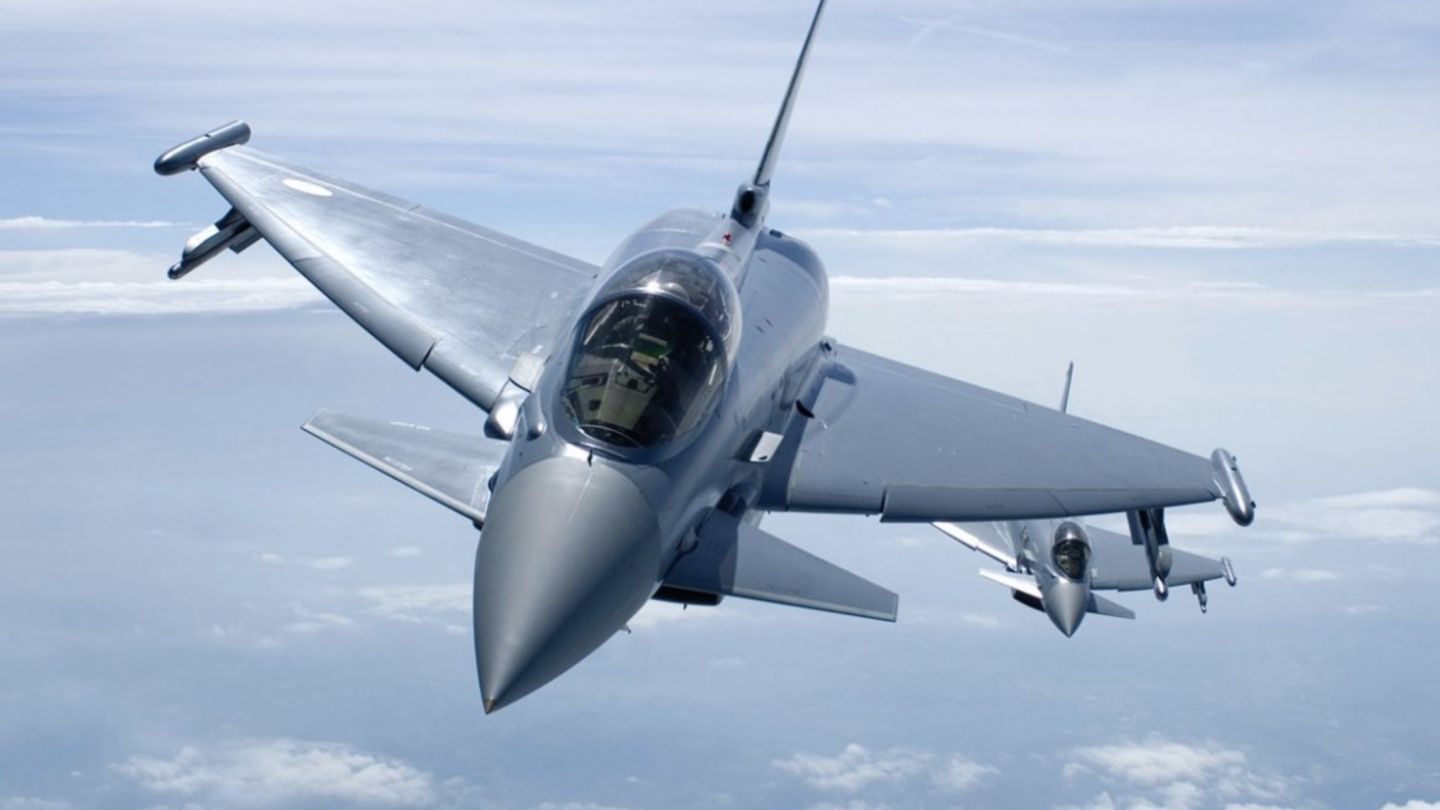
Eurofighter '4+ Generation' Medium Fighters
With the German Air Force set to retire its ageing Tornado attack jets in the near future, the service has explored a number of options to replace the platforms in the roles of suppression of enemy air defences, ground attack and nuclear delivery - the last which is vital for NATO’s nuclear sharing missions. While Lockheed Martin was quick to offer the F-35A fifth generation stealth platform to replace the Tornado - a jet which is capable of performing all three roles - Germany has refused to consider the fighter from the outset and reprimanded officials who have been proponents of the F-35. The primary underlying reason for this was Berlin’s preference for supporting European production of combat aircraft, despite its generally much lower cost effectiveness relative to the United States which manufactures combat jets, their armaments and their subsystems on a much larger scale with a generally cheaper workforce.
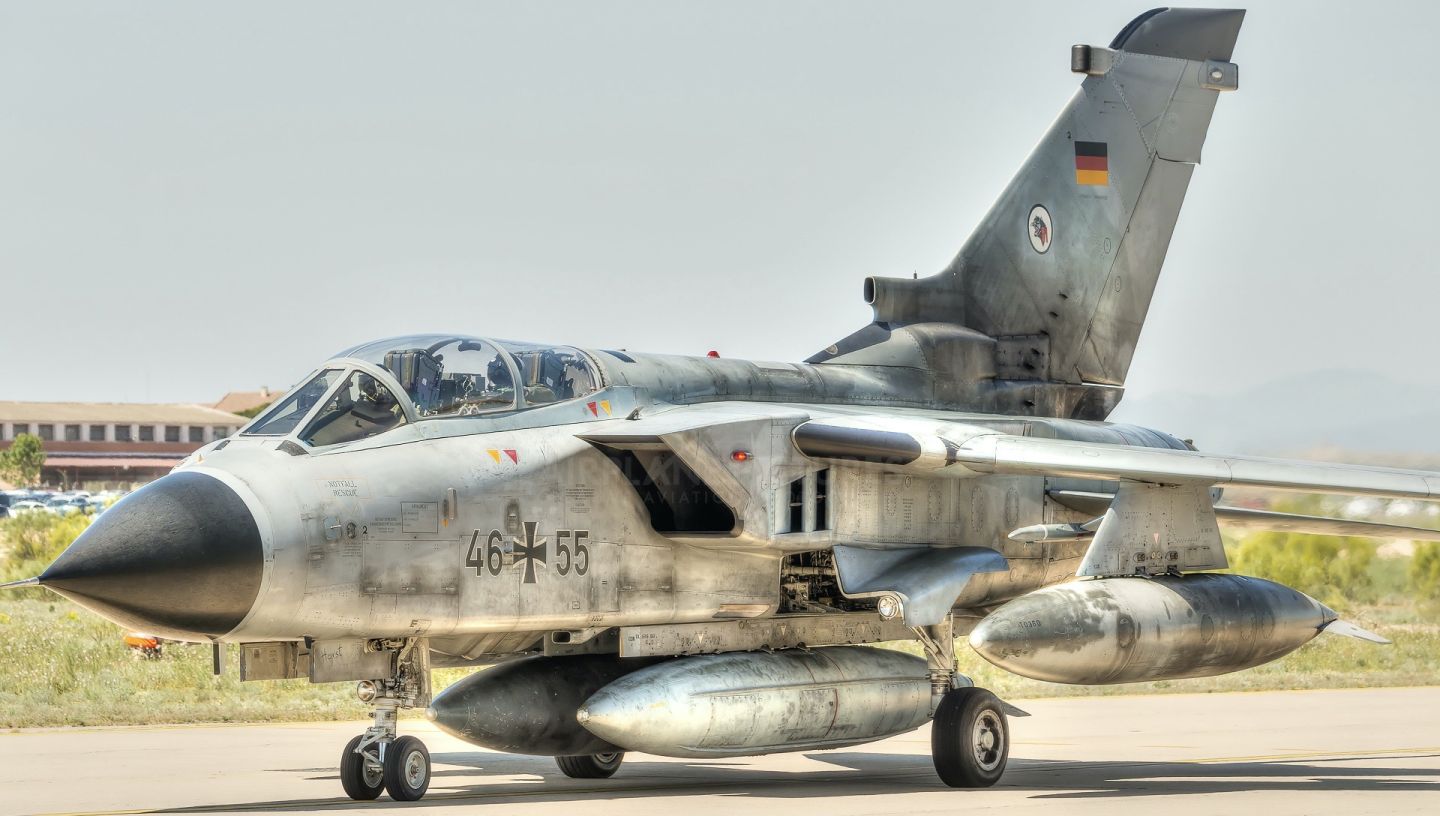
The German Air Force’s fighter fleet is currently comprised of seven fighter squadrons - four of Eurofighters, two of Tornadoes outfitted for ground attack and one of Tornadoes equipped for suppression of enemy air defences. These are known as the Tornado ECR. The Eurofghter is capable of performing the role of a ground attack platform quite effectively, and it is almost certain at this stage that the two squadrons of Tornado jets assigned such a role will be replaced by more modern variants of the Eurofighter. Such a purchase will have the benefit of both strengthening Germany’s own defence sector and ensuring that new jets acquired are compatible with existing maintenance infrastructure and armaments in the German inventory. The Eurofghter’s poor suitability for delivering nuclear weapons however, and the lack of a dedicated variant for air defence suppression, makes replacement of Tornadoes in their two other roles more difficult. One option which has gained considerable attention would be to purchase a small contingent of Boeing F-18E Block III Super Hornets and E/A-18G Growler platforms for the United States. The former is capable both as a fighter and as a nuclear delivery platform, and while its flight performance is inferior to that of the Eurofighter it compensates with more sophisticated avionics and electronics.
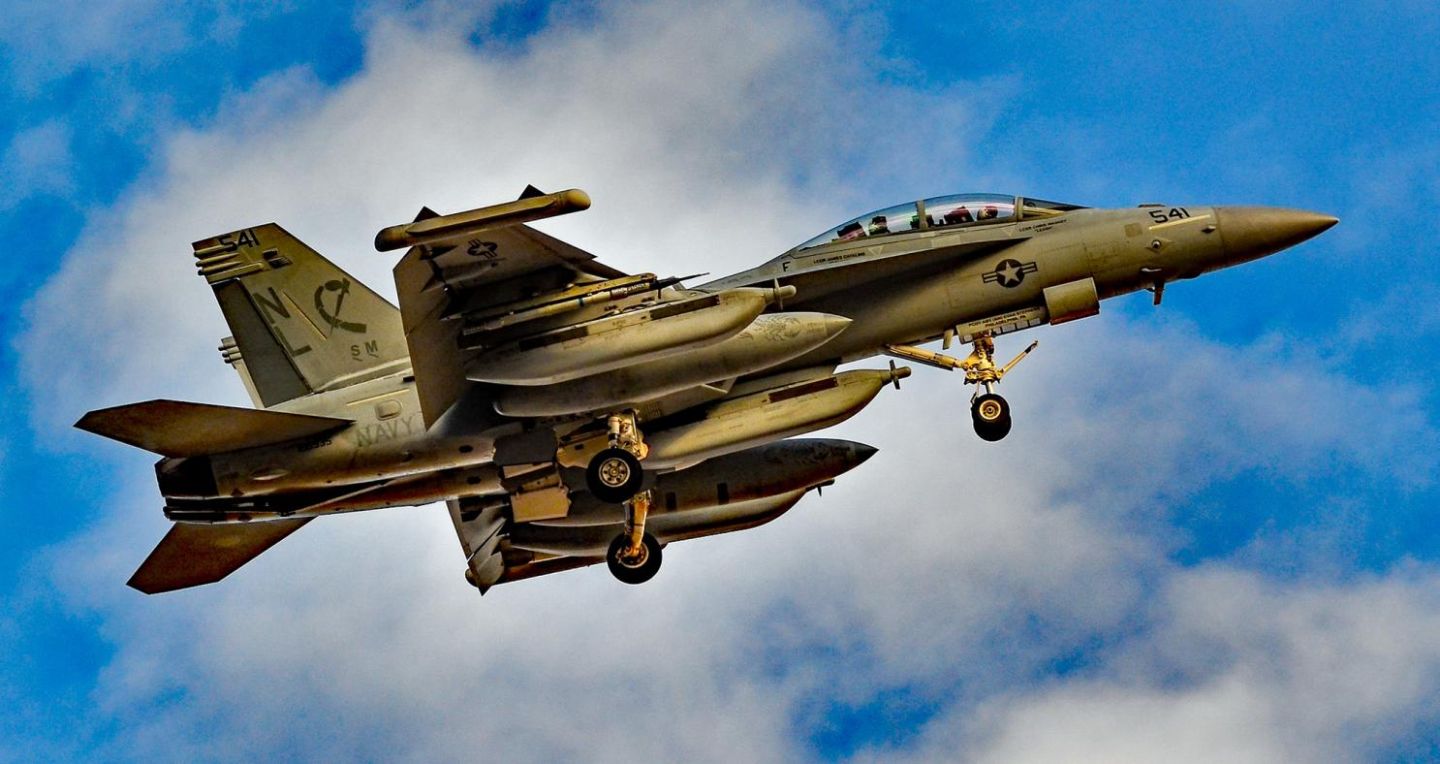
The E/A-18G is one of the most unique aircraft in the U.S. Military's vast inventory, and is specialised in suppressing enemy air defences in much the same way as the Tornado ECR jets were. The platform makes uses of the same airframe as the Super Hornet, but was designed to deploy AGM-88 HARM anti radiation missiles for kinetic attacks and powerful electronic warfare systems for non-kinetic attacks on enemy defences. Purchasing the Super Hornet and Growler for deployment alongside the Eurofighter would ensure Germany still fields two complementary major airframe types with considerable interoperability, but circumvent the issues posed by of the Eurofighter’s limitations if fielded on its own.
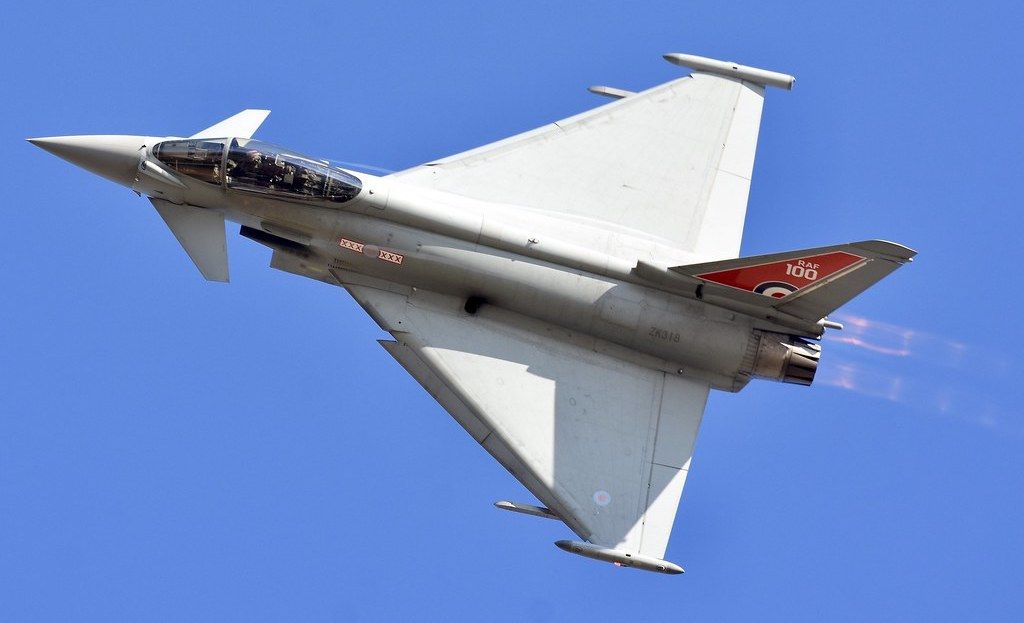
Competing with Boeing’s offer to provide E/A-18G aircraft, Airbus has recently offered to develop a specialised electronic attack variant of the Eurofighter for the German Air Force which it claims will be capable of fulfilling the same role as the American platform. The aircraft would have the advantage of being compatible with the standard Eurofighter's maintenance infrastructure and would require minimal conversion training for pilots, although it remains highly questionable whether European manufacturers have the ability to produce an electronic attack platform with a comparable performance to the American Growler. Despite a likely capability disadvantage, and the European platform's expected higher cost over its American counterpart, Germany may well be inclined to select the new Eurofighter variant over the Growler for the sake of supporting Europe’s defences sector. With Italy also looking to retire electronic warfare variants of the Tornado, and operating the Eurofgihter in large numbers, it remains another potential client for an electronic attack variant of the Eurofighter. Britain is another potential client, and although it has already retired the Tornado it has increasingly struggled with the affordability of it’s plans to replace them with F-35B stealth jets which are far more expensive than either Euroifghters or Growlers both to acquire and to operate. Ultimately it remains to be seen which option Germany will take, but given its recent choices it is likely that there will be aa strong bias in the selection process against the American aircraft.
