
Russian-Supplied Pantsir Air Defence Systems Deployed by Serbian Missile Brigade for Intensive Exercises
Military Watch Magazine Editorial Staff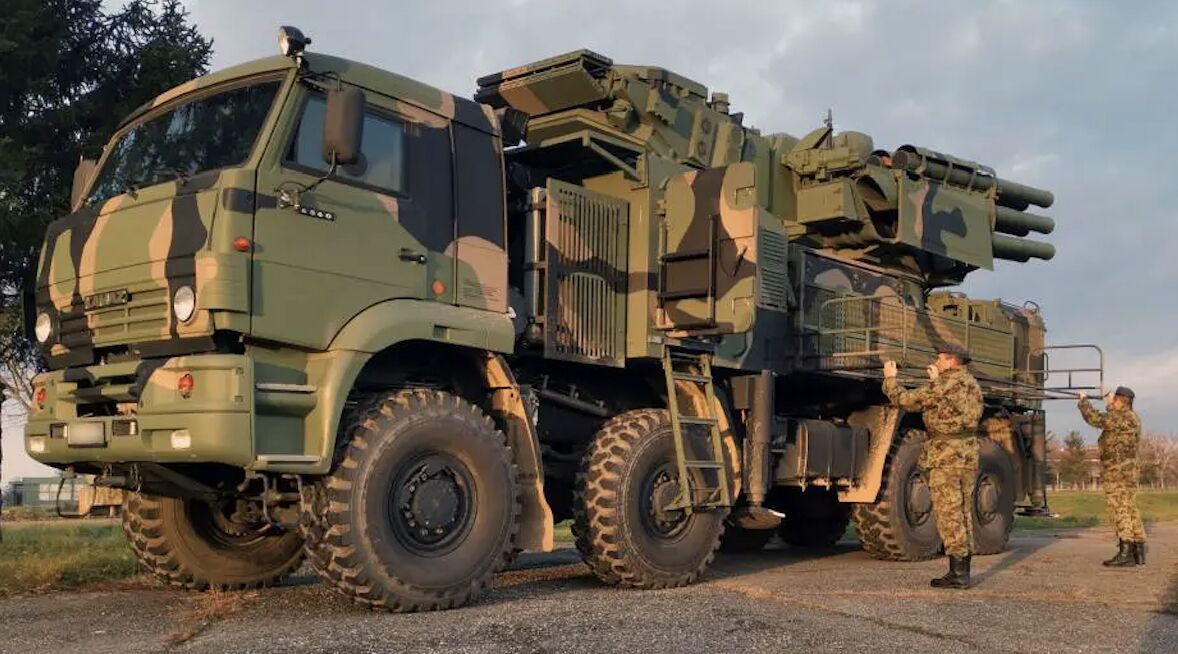
Pantsir Air Defence Combat Vehicle in Serbian Service
A battalion of Serbia’s 250th Air Defence Missile Brigade has conducted intensive exercises with the Russian-made Pantsir-S1 short-range air-defence combat vehicles, focusing on rapid redeployment, and rearming. During the exercise, Serbian crews reportedly practiced moving the Pantsir-S1 into firing positions and rapidly transitioning from movement to combat readiness. Such procedures are particularly important for a mobile air-defence system because survivability depends not only on the ability to destroy incoming targets, but also on the ability to relocate before an enemy can identify and strike the firing position.
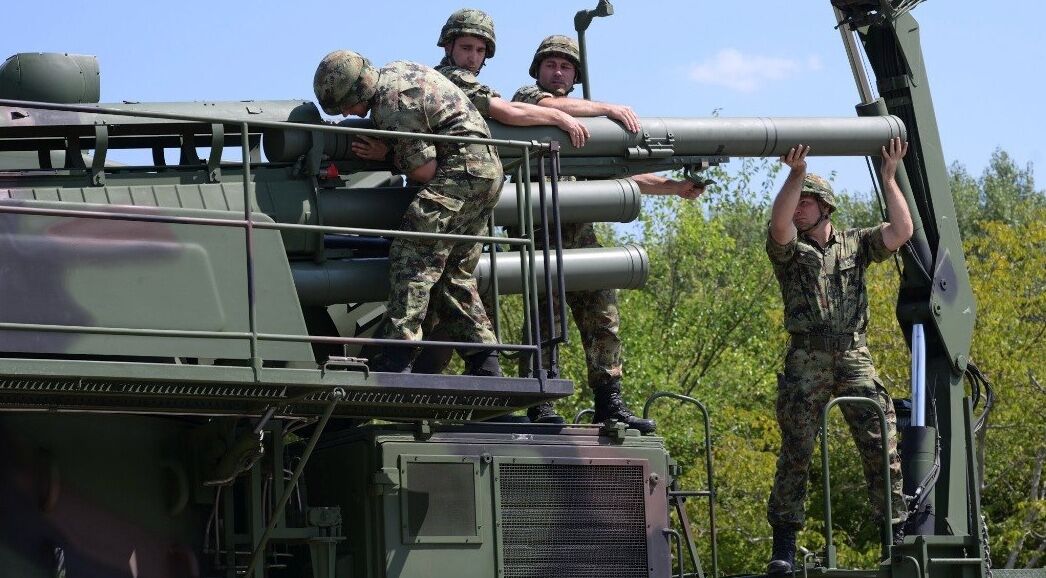
The Pantsir was designed to provide close protection for military formations and strategically important installations. It combines surface-to-air missiles with 30-mm automatic cannons, allowing it to engage a broad range of targets. Its radar and electro-optical sensors enable the system to detect and track airborne objects while its missiles provide the primary means of engaging targets at greater distances. The guns offer a shorter-range alternative and can be particularly useful against targets that are inexpensive or difficult to justify engaging with a larger missile. This combination has become increasingly relevant because of the rapid proliferation of unmanned aircraft. The Pantsir’s combination of missiles and cannons gives it an advantage in this environment. Operators can select the appropriate weapon according to the target’s range, size and threat level rather than relying exclusively on expensive missiles.
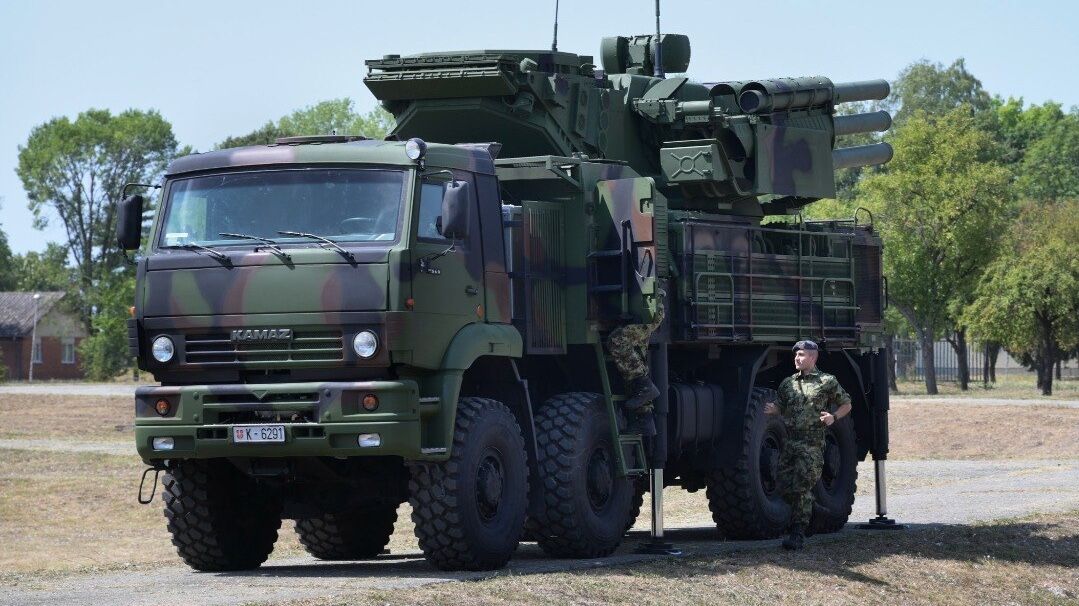
The Serbian exercise’s emphasis on rapid deployment is particularly important. A modern air-defence battery cannot simply remain stationary after firing. Once an adversary detects a radar emission or identifies the location of a missile launch, the position can become a target for artillery, missiles, drones or other weapons. Mobile systems therefore increasingly practice a cycle sometimes described as “shoot and move.” A unit moves into an assigned position, establishes communications, activates its sensors, detects and engages targets, and then prepares to relocate. Reducing the time required for each stage can significantly increase survivability.
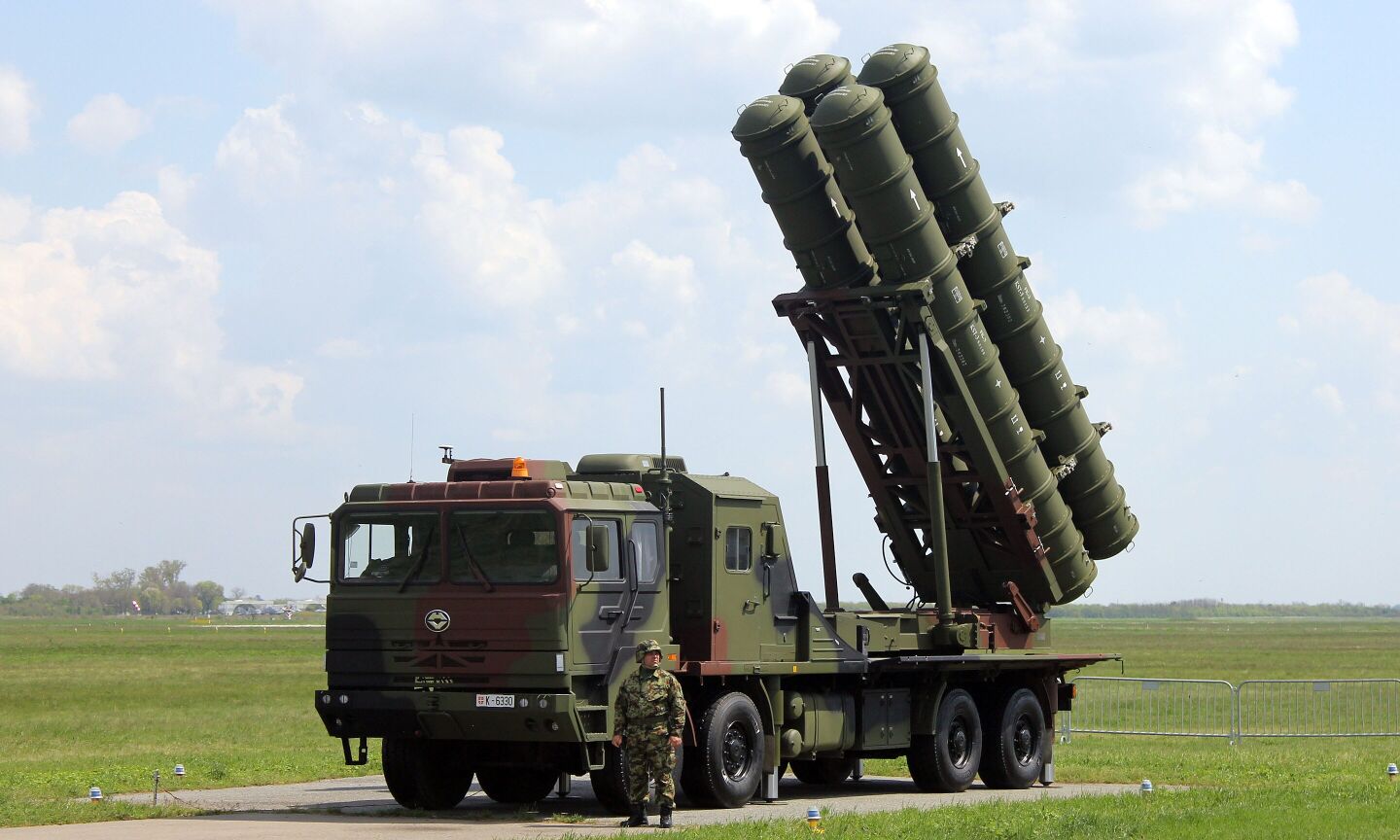
Recent exercises highlight Serbia’s continuing investment in mobile, layered air defences and the growing importance of short-range systems capable of responding to drones, cruise missiles and other low-altitude threats. Serbia acquired the Pantsir-S1 from Russia as part of an effort to strengthen its short-range air-defence capabilities. The system complements Serbia’s longer-range Chinese HQ-22surface-to-air missile system, creating a layered structure in which different weapons can engage threats at different ranges. Serbian President Aleksandar Vucic in June announced of a decision to procure the Chinese HQ-9 surface-to-air missile system, providing the longest ranged and in many respects the most capable ground-based air defence asset in Europe. The HQ-9 will form the top of the country’s air defence network, with the HQ-22 forming the middle tier, and the Pantsir the complementary bottom tier.
