
Russian Naval Modernisation and the Vital Role of Zircon Hypersonic Cruise Missiles
Military Watch Magazine Editorial Staff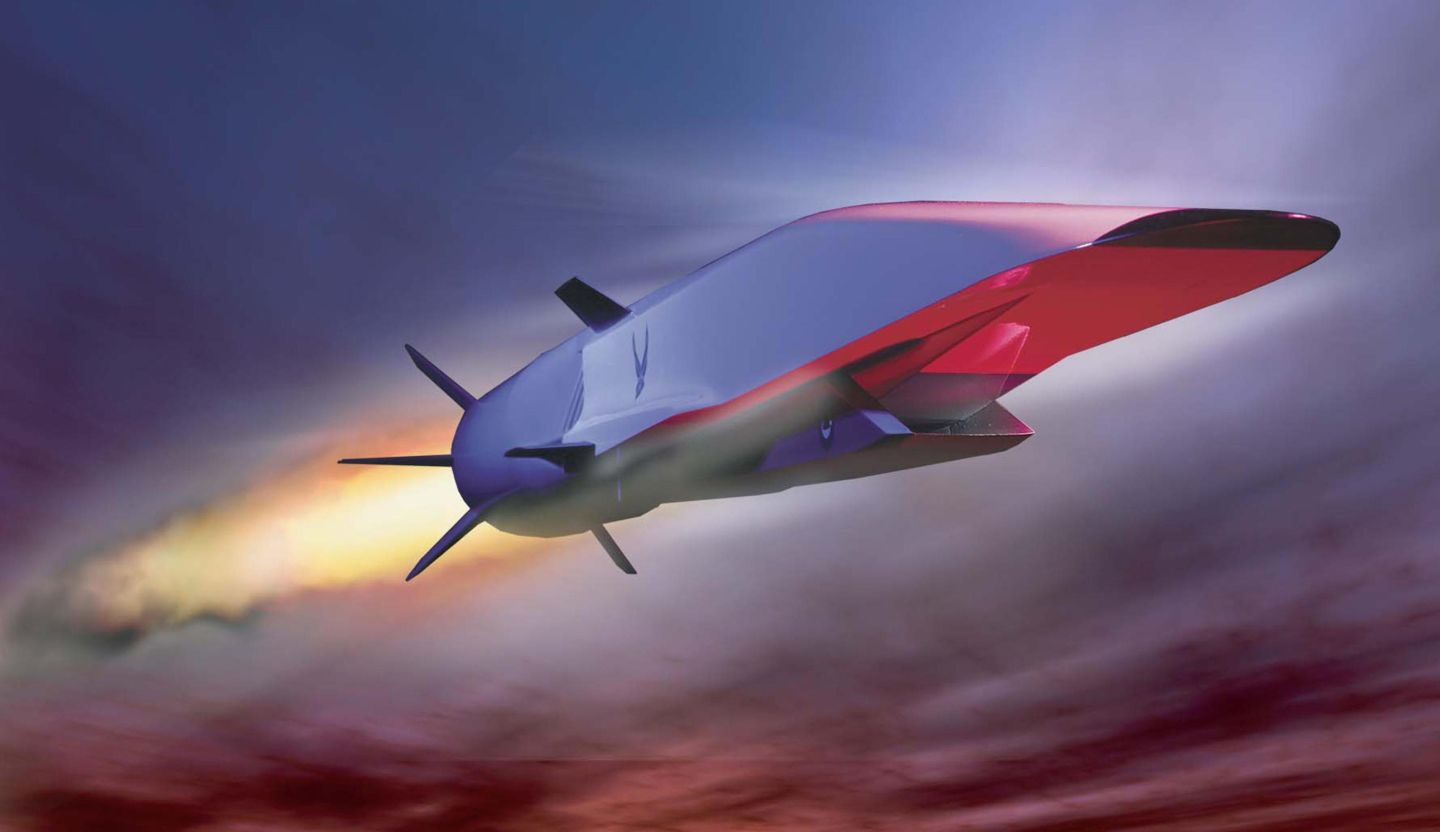
Zircon Hypersonic Cruise Missile - artwork
The Russian Navy is reportedly preparing for a new flight test of the Zircon cruise missile, a hypersonic anti-ship platform which will be capable of approaching speeds of Mach 9 and performing complex in-flight manoeuvres. The missiles are capable of engaging targets at ranges of up to 1000km - unrivalled by existing anti-ship platforms other than the subsonic Chinese YJ-100. Russian surface ships and submarines are currently armed with the P-800 Oniks and the 3M54 Kalibr cruise missiles, both with ranges of around 700km, sea skimming trajectories and impact speeds of Mach 3. The older P-700 Granit is capable of reaching speeds of over Mach 2.5 at high altitudes but impacts targets at under Mach 2, and while revolutionary for its time it is today far less compact than its modern counterparts and has a shorter range of 625km. As Russia increasingly focuses on deployment of lighter but more heavily armed warships of which the relatively small 5,400 ton Admiral Gorshkov Class frigate with a very substantial 72 vertical launch cells is a prime example, the importance of more sophisticated missile types is increasingly significant.
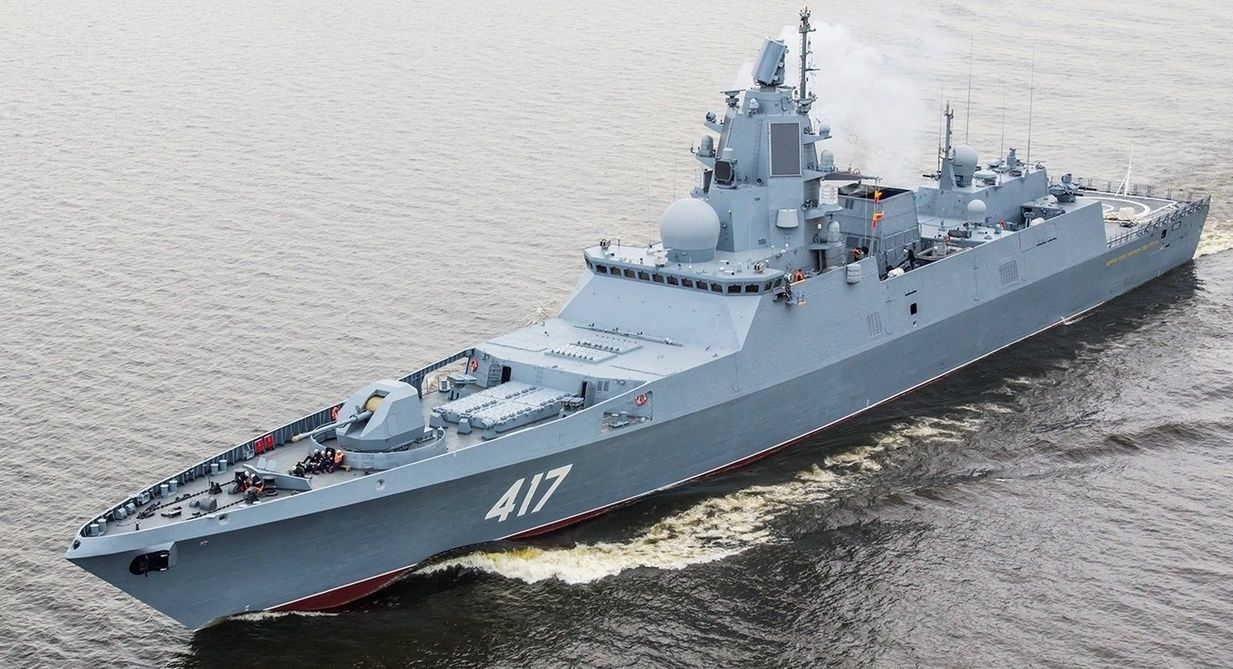
While Russia appears to be neglecting investment in heavy high endurance warships such as cruisers and destroyers, by equipping ships such as the Admiral Gorshkov Class with world leading anti ship missiles it is hoped that these platforms will have an asymmetric advantage over their heavier counterparts deployed by the navies of its adversaries. The British Type 45 destroyer for example cost over $1.3 billion to build, displace 9,400 tons but field just 48 vertical launch cells. The American Zumwalt Class, at over $7 billion each and displacing almost 16,000 tons, meanwhile field just 90 launch cells. The most capable anti ship missiles deployed by British and U.S. warships are advanced variants of the Harpoon, which in upcoming improved variants will have ranges of under 300km and low subsonic speeds - up from around 130km in earlier variants. A single direct hit at over Mach 8 is considered sufficient to disable even the largest warships with the sheer force of impact, and with the Zircon effectively impossible to intercept for even the most modern air defence systems relatively light Russian ships such as the Gorshkov Class will enjoy a considerably greater asymmetric advantage than they do today once the missile enters service. The Zircon missile is expected to enter service in the early 2020s, although its cost may prohibit widespread deployments across Russia’s surface fleet meaning deployments are likely to be prioritised for more advanced ships near zones of potential conflict.
