
Russian Navy Surges Operations to Protect Civilian Ships from Western Seizure: Fleet Under Strain
Military Watch Magazine Editorial Staff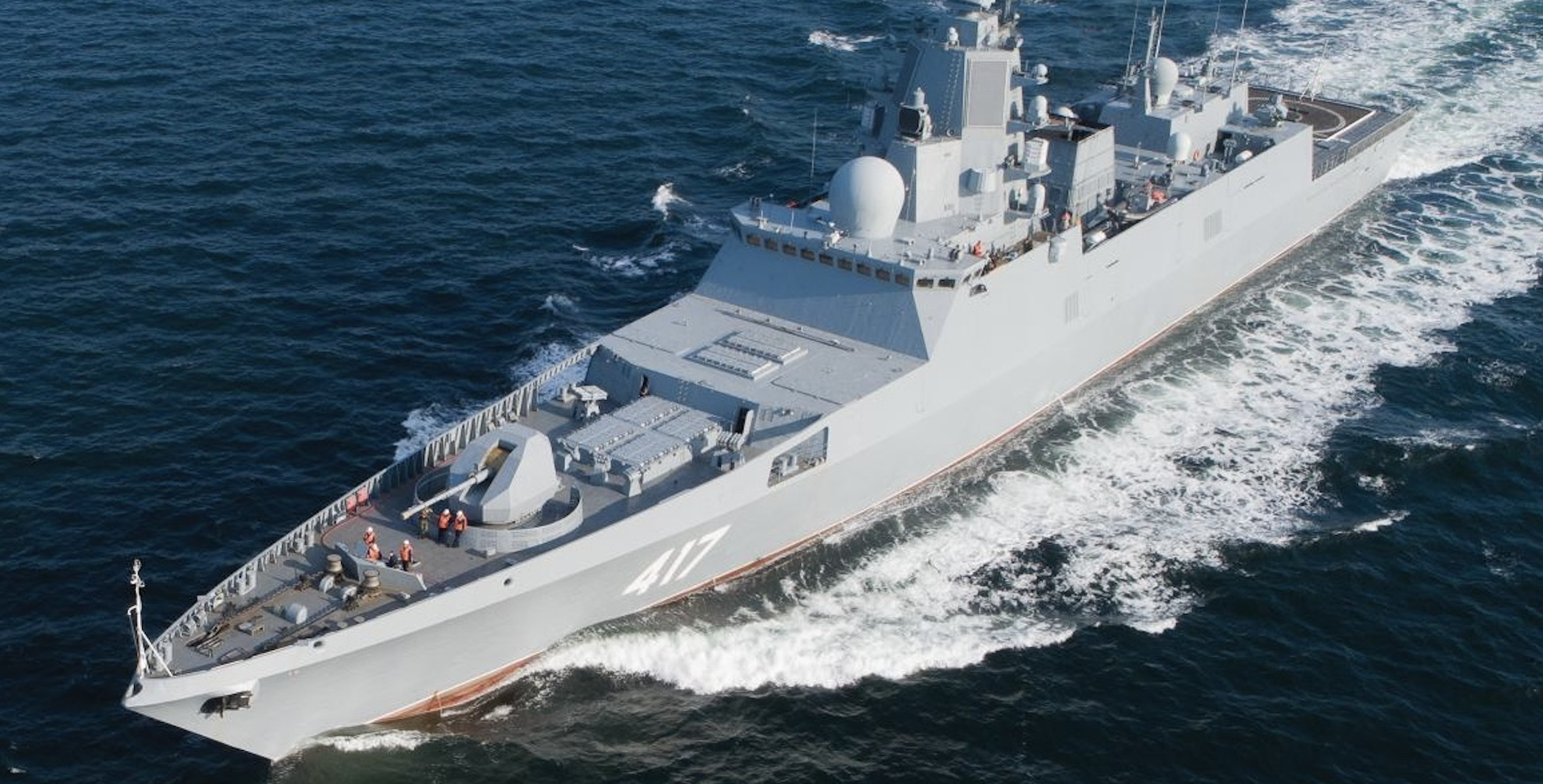
Russian Navy Admiral Gorshkov Class Ocean-Going Frigate
The Russian Navy’s surface fleet is facing mounting operational pressure as it increasingly deploys warships to protect commercial vessels operating in international waters, with NATO officials highlighting that Western operations to board and take over civilian ships have placed significant strain on the Baltic Fleet in particular. Russian vessels are reportedly spending longer periods at sea, with maintenance and modernisation delayed as the Navy attempts to ensure that shipping can continue operating despite growing Western interference. A NATO official described Russian warships as being “worked pretty close to death,” suggesting that prolonged periods at sea were damaging crew morale, with Russian sailors facing demanding operational schedules.
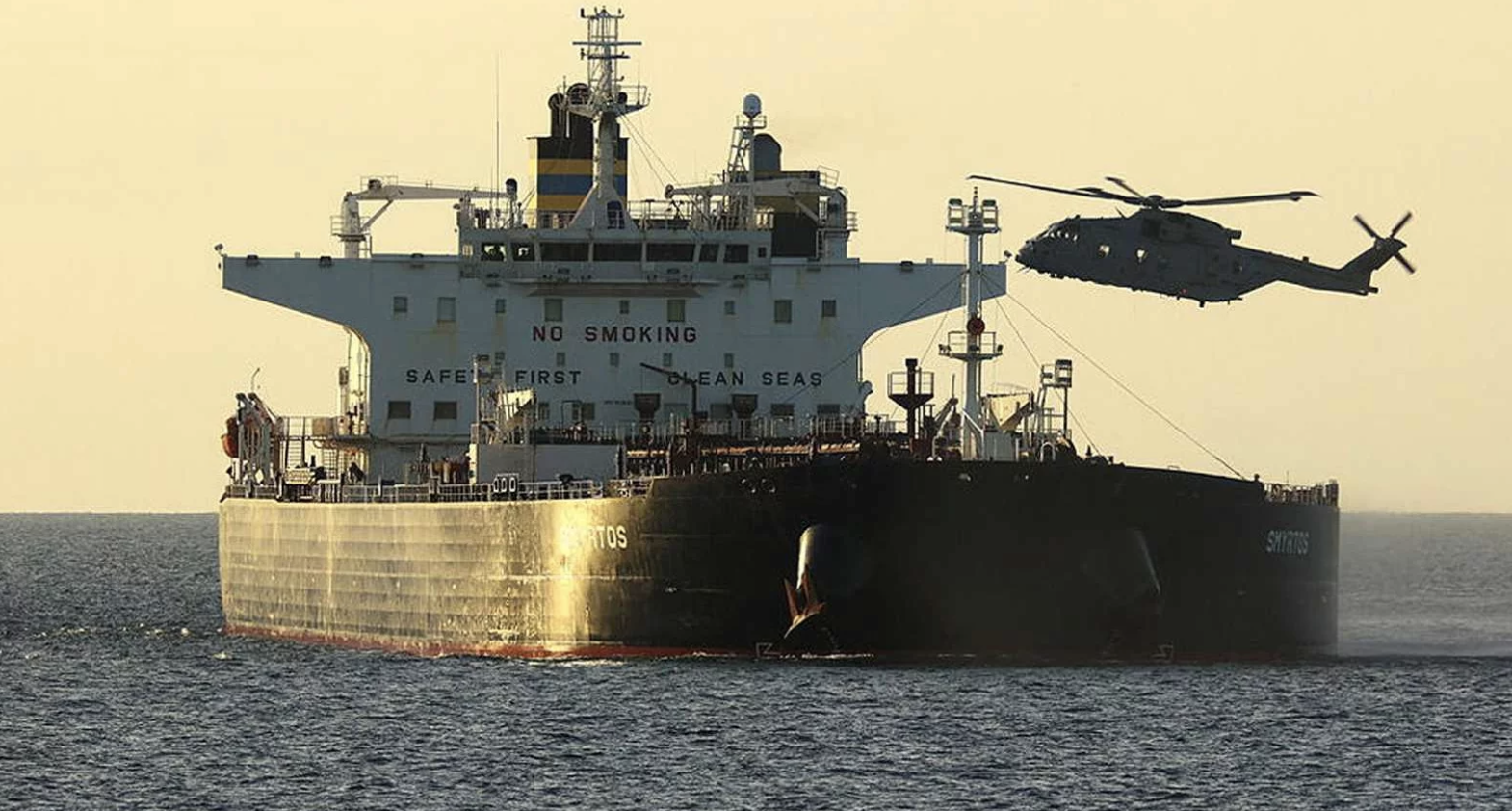
The increased escort requirements have emerged as European governments intensify efforts to restrict Russia’s ability to export oil, with European countries have reportedly carried out 13 interdictions of shadow-fleet-linked vessels during 2026. One NATO assessment indicated that Russia’s surface fleet was becoming less capable of sustained operations far from its own coastline, with resources increasingly concentrated on protecting shipping and maintaining a presence in nearby waters. Russia has responded by altering the routes taken by some of its tankers, with vessels increasingly avoiding the English Channel and travelling around the west coast of Ireland and through the North Atlantic. Such diversions increase voyage times and fuel consumption, but reduce exposure to potential armed takeovers by Western Bloc forces.
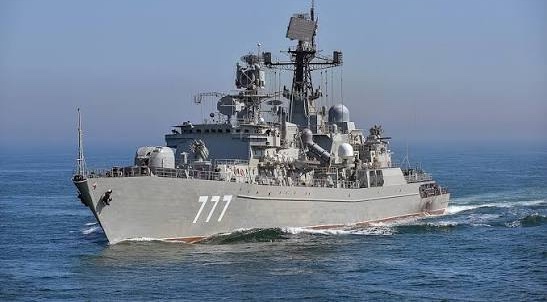
For vessels that continue to use the English Channel and North Sea, Russian naval escorts have become increasingly important. The frigate Neustrashimy has reportedly been assigned to escort tankers through these waters. The Royal Navy confirmed in August that the frigate had repeatedly escorted tankers through recognised shipping lanes, with British patrol vessels including HMS Severn and HMS Mersey monitoring its movements. The frigate’s deployment has consequently required Russia to dedicate a relatively capable surface combatant to protecting commercial shipping rather than conducting other naval operations. Russia’s ability to sustain a large and geographically dispersed surface presence, which was relatively limited even before the beginning of armed seizures of its civilian shipping, has now become increasingly constrained.
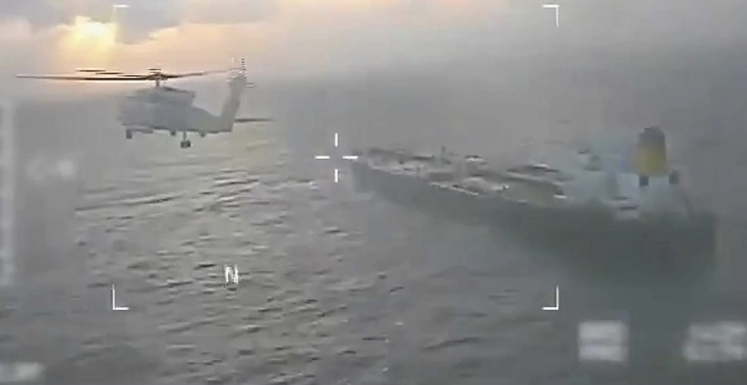
The targeting of adversaries’ civilian shipping by NATO members escalated considerably from late 2025, when the U.S. Armed Forces initiated an unprecedented series of operations to illegally commandeer ships transporting Venezuelan oil for export. Reports first published on February 13 indicated that British Defence Secretary John Healey met with his counterparts from Baltic and Nordic countries at the Munich Security Conference to discuss plans for similar forced takeovers of tankers that were transporting Russian oil for export. In February influential aide to Kremlin and Chairman of the Russian Maritime Board Nikolai Patrushev stated that a permanent naval presence would be vital to prevent European countries from obstructing Russian civilian shipping’s access to international waters, stressing that the Navy is ready to use force to protect commercial vessels from Western attacks. "In the main maritime areas, including regions far from Russia, substantial forces must be permanently deployed - forces capable of cooling the ardour of Western pirates," he added.
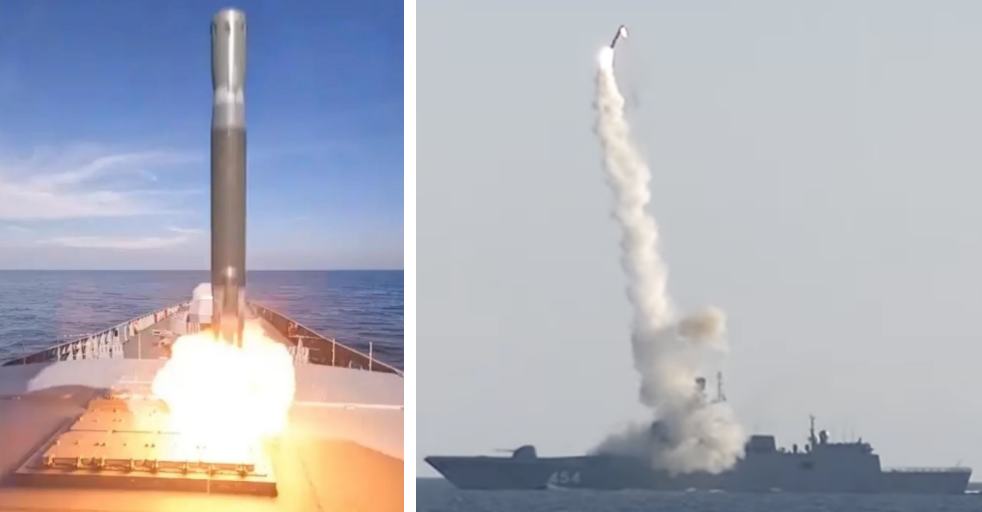
The Russian Navy has heavily compensated for the limited size of its surface fleet, and the rapid ageing of its larger vessels, by continuing to maintain a lead in anti-ship missile capabilities. The most significant development has been the service entry of the Zircon hypersonic cruise missile, which combines a 1,000 kilometre range with a Mach 9 speed, allowing even small corvettes to pose a threat to large surface ships. The future of the fleet remains highly uncertain, with new destroyer programs having repeatedly been indicated by officials, but failing to materialise. The possibility of larger ships being procured from China or North Korea, such as Type 052D class destroyers, has been widely speculated.
