
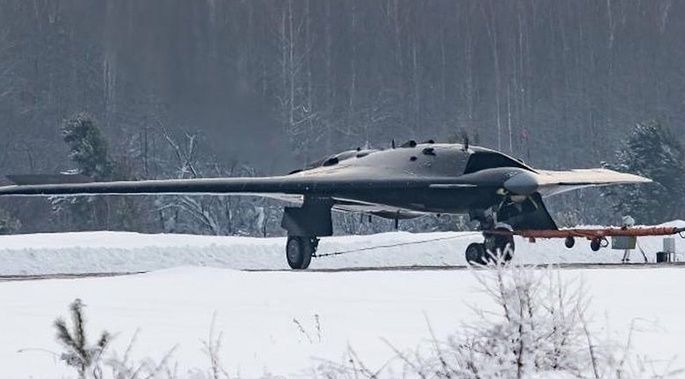
Russian Okhotnik Stealth Drone
The first images have emerged of a new Russian unmanned stealth bomber deployed to Siberia in the country’s Far East, in what appears to be by far the country’s most considerable investment in an advanced unmanned combat aircraft. Named Okhotnik, the stealth jet has been built by the Sukhoi design bureau - which is also responsible for developing the country’s first stealth fighter the Su-57. The large new aircraft saw its first tests in the summer of 2019, and its deployment by the Russian military is set to have considerable implications for the country’s strike capabilities.
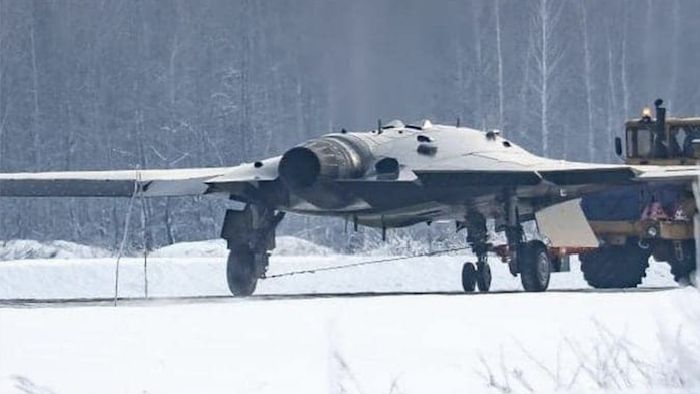
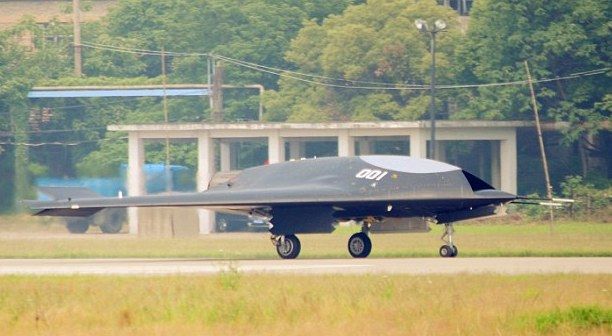
The Okhotnik is expected to perform a tactical bombing role at short and intermediate ranges, complementary to the long range strategic role of the upcoming PAK DA heavy stealth bomber. The bomber makes use of a flying wing design similar to that of the Chinese Sharp Sword unveiled in 2018. The design is somewhat similar to lighter platforms deployed by Iran based on the U.S. RQ-170 recon drone captured by the Islamic Republic in 2011. The capabilities of the Okhotnik and the ambitious high end role it appears to have been designed to fulfil bear a stark contrast to previous Russian combat UAV designs - with the light Korsar’s capabilities appearing well behind those manufactured by China and the United States. Western analysts have speculated that the new Russian drone is likely to be more capable than any similar Western platform currently in service, with the United States having made relatively few investments in radar evading capabilities for its own combat drones.
The Okhotnik appears to be designed to penetrate enemy airspace to strike key tactical sites behind enemy lines - be they NATO targets in Europe and the Arctic or U.S. military infrastructure in South Korea or Japan. Development of an anti ship capability also remains a considerable possibility - with the drone's radar evading profile potentially considerably reducing the warning time for enemy warships under attack. Investment in a high end stealth capability on an unmanned drone appears to be a potentially far more cost effective means of acquiring an advanced penetrative capability than a heavy and manned stealth bomber such as the American B-2 Spirit - a platform costing over $2 billion per aircraft. The use of unmanned aircraft for such high risk missions also makes them somewhat expendable, considerably reducing the risk of deploying combat aircraft to enemy airspace.
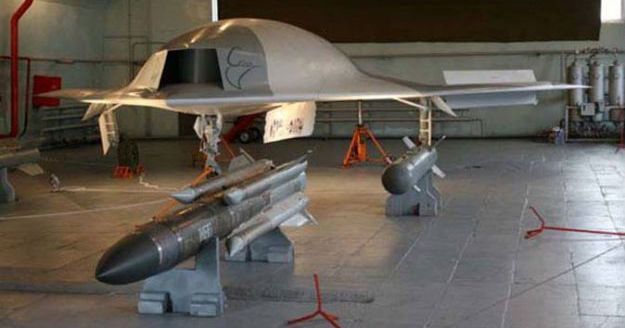
Should the Okhotnik enter frontline service in the near future, Russia will deploy an advanced type of combat aircraft which NATO lacks entirely - and will likely lead to the Western Bloc seeking to develop an analogue of its own. The American Reaper combat drone, while formidable, lacks the speed and survivability needed to penetrate well defended enemy airspace which stealth platforms retain. The United States for its part is very likely well within its capabilities to develop a similar platform, with non combat stealth UAVs such as the RQ-170 having been in service for over a decade. The counterinsurgency and reconnaissance focus of the U.S. drone program has meant that such platforms designed for conflict against near peer adversaries, which would need to integrate high end capabilities as the Okhotnik does, are yet to be developed.
