
How Russian Intel. Support For Iran’s Missile Attacks Mirrors Much Larger Scale NATO Strike Coordination with Ukraine
Military Watch Magazine Editorial Staff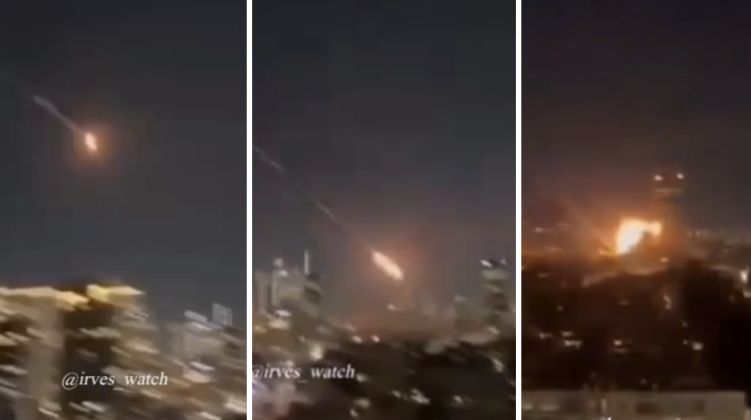
Footage of Moments Iranian Hypersonic Missile Strikes High Value Target in Israel
United Stated officials speaking to the Washington Post have reported that Russia has been supplying Iran with intelligence on the locations of U.S. military assets, including warships, aircraft, and bases in the Middle East. This follows the U.S. and Israel’s initiation of a full scale military campaign against Iran on February 28, which Iranian forces have responded to by launching large scale ballistic missile strikes on military and other strategic targets across the region. Russian support has reportedly included the provision satellite surveillance and other kinds of reconnaissance data, helping Iran to optimise targeting of U.S. and Israeli facilities, forces and strategic locations during the ongoing conflict. The veracity of these claims remains in a question, with reports of Russian involvement potentially helping to reduce the public relations fallout that this expected to ensue once the extend of U.S. losses is more widely publicised.
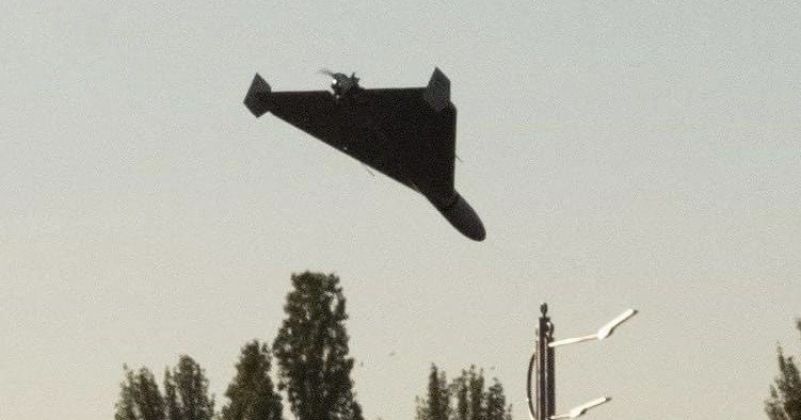
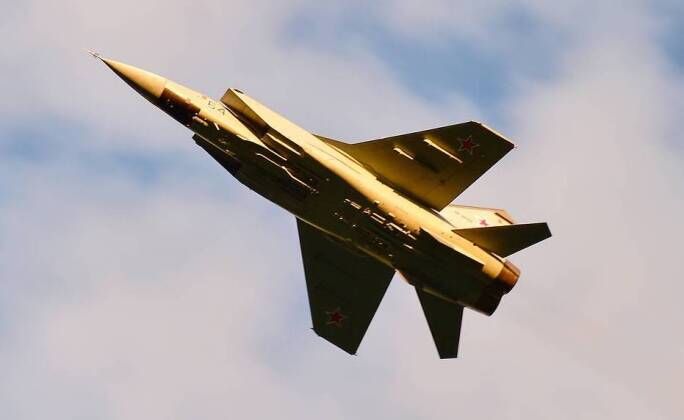
Russian and Iranian forces have a history of close integration of their frontline operations, most notably in Syria where the two conducted years long joint operations alongside Syrian government and North Korean against Western and Turkish backed insurgent groups. Iranian drone operators were also reported by Western sources to have played a significant role in the Russian-Ukrainian War, particularly from 2022-2023, as Shahed 136 and other Iranian drone types were rapidly brought into service six months after the beginning of full scale hostilities. Nevertheless, the extent of defence ties between the two countries has had serious limits, with Russia having proven to be highly prone to bending to Western and Israeli pressure over the issues of providing air defence related armaments to Iran and Syria, cancelling multiple major deals to equip both contries with assets such as MiG-31 interceptors and S-300 air defence systems, and blocking several more, contracting with its position in the Soviet era.
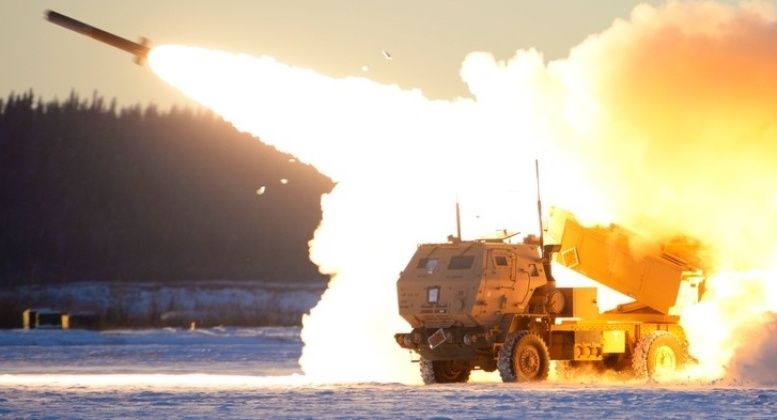
Russian intelligence support could potentially mirror the vast quantities of intelligence which Western Bloc states have provided to Ukraine. The large numbers of Western high impact weapons provided to Ukraine that use satellite guidance, however, and the very considerable numbers of advisors, contractors, and active duty personnel from NATO members states operating in Ukraine, has made this support much more impactful, while Russia has no similar presence on the ground to support Iran to make greater use of its intelligence. Following a Ukrainian attack on Russian energy infrastructure in March 2025 using U.S.-supplied HIMARS rocket artillery, for example, Russian Foreign Ministry spokeswoman Maria Zakharova claimed that the United Kingdom and France played a central role in facilitating it. “[We] have reasons to believe that targeting and navigation were facilitated through French satellites and British specialists input [target] coordinates and launched [the missiles].” “The command came from London,” she observed.
In October 2025 U.S. and Ukrainian officials speaking to the Financial Times reported that the U.S. had been playing a key role in the ongoing large scale attacks on Russian energy facilities being launched from Ukraine. U.S. intelligence was revealed to be being supplied to allow Ukrainian drone operators to plan the routes and the altitudes for their flights, and to select the best timing for the attacks, while U.S. advisors also set target priorities. The sources reported that Ukrainian strikes on energy facilities were seen in Washington as an “instrument” to undermine the Russian economy and pressure Moscow towards freezing the conflict on terms favourable to Western interests. The revelations follow a statement by Kremlin spokesman Dmitry Peskov asserting that it was “obvious” to Moscow that “all of NATO and U.S. infrastructure is being used to collect and pass on intelligence to the Ukrainian side.”
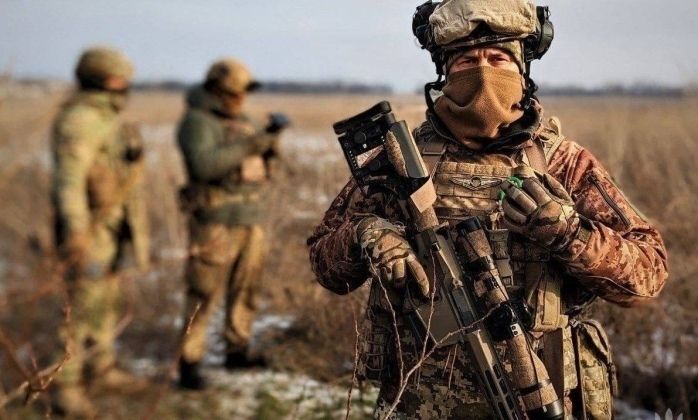
As early as February 2023 an official statement from the Kremlin alleged: "We see how NATO’s entire military infrastructure is working against Russia, and we see how NATO’s entire intelligence infrastructure, including reconnaissance aviation, and satellite groupings are working in the interests of Ukraine in a 24/7 mode.” This included rapid provision of targeting data for missile and artillery strikes, which had taken a heavy toll on Russian forces. Preceding the outbreak of fulls scale war in Ukraine, Russian officials have also widely alleged that insurgent groups in Syria used targeting data provided by NATO members to strike high value Russian and Syrian targets. Following the major losses which Russian forces have suffered as a result of Western attacks launched through Ukraine, the provision of a significant, albeit much lower, degree of support for Iranian strikes on the United States and its strategic partners would be far from unthinkable. Nevertheless, with relations between Russia and Iran being far less close than those between NATO members and Ukraine, the possibility remains significant that Russian support is more minimal than Western sources have widely reported.
