
Russian Fighters, Artillery and Missile Units Strike Ukraine’s Critical Infrastructure and Foreign Combatants
Military Watch Magazine Editorial Staff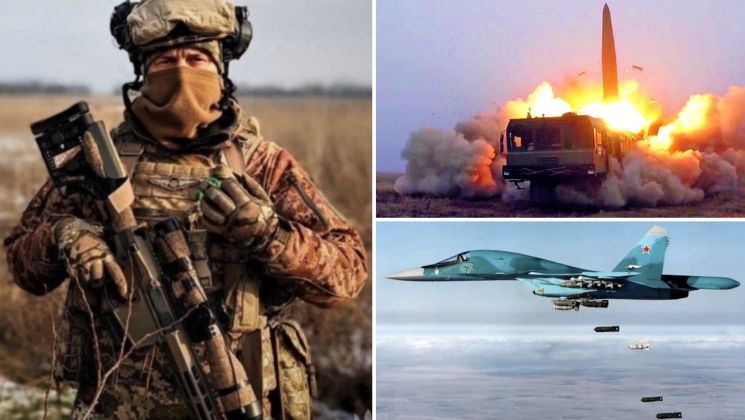
Polish Volunteer Corps Serviceman in Ukraine, Russian Iskander-M Launch, Su-34 Bombing
The Russian Armed Forces were confirmed on February 11 to have targeted Ukrainian forces’ energy and transport infrastructure, while also attacking temporary deployment points of Ukrainian military formations and foreign contractor units. Commenting on these strikes, the Russian Defence Ministry reported: "Operational-tactical aviation, strike unmanned aerial vehicles, missile forces and artillery of the Russian Armed Forces' battlegroups inflicted damage on energy and transport infrastructure facilities of the Ukrainian Armed Forces, as well as on temporary deployment points of Ukrainian military formations and foreign mercenaries in 141 districts.” The significant discrepancy in the two countries’ ability to launch strikes using fighter aviation, artillery and rocket artillery systems, and tactical missile systems, has been a primary factor in the favour of the Russian Armed Forces since the outbreak of full scale hostilities in February 2022.
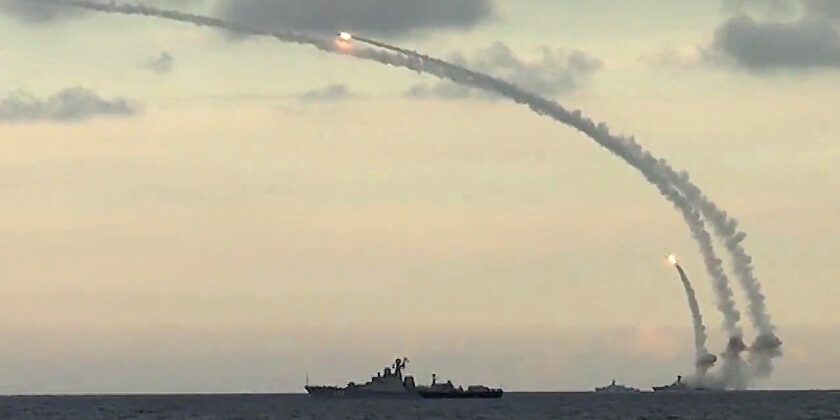
Russian strikes have targeted key energy and transport infrastructure multiple times, including that used by the Ukrainain Armed Forces, and by civilians, in respective tactical and strategic level attacks. Such strikes have at times caused serious power shortages in major cities, raising the possibility of a need for full evacuation if sustained. As early as November 20002 the New York Times reported that the capital Kiev may need to be evacuated completely due to a looming collapse of infrastructure. Director of security for the Kiev municipal government Roman Tkachuk stated to this effect in an interview at the time: “we understand that if Russia continues such attacks, we [Kiev] may lose our entire electricity system… If there’s no power, there will be no water and no sewage. That’s why currently the government and city administration are taking all possible measures to protect our power supply system.” By that time 40 percent of Ukraine’s energy infrastructure had been damaged or destroyed. Russia appears to have been deterred from maintaining a high tempo of such strikes on critical infrastructure, despite the expansion of its capabilities to do so.
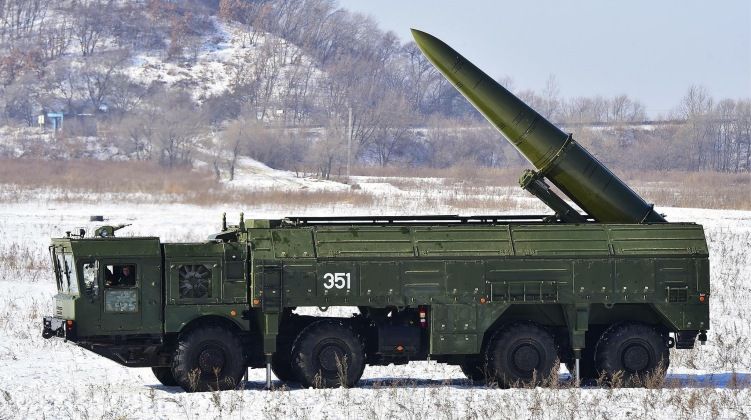
A notable example of a strike on key transport infrastructure was the use of Iskander-M ballistic missile systems to destroy a Ukrainian train in the village of Budy in the contested Kharkiv region, destroying several railway cars and nearby infrastructure. This was one of the first times that the system was reported to have been used to employ employing new ‘double strike’ tactics, with a pause after the first strike allowing personnel from the Ukrainian Ministry of Internal Affairs and the State Emergency Service to move into the area to assess the damage, after which a second Iskander-M launch was be timed to maximise casualties. The rapid expansion of production of missiles for the Iskander-M systems, which are produced in multiple sub-variants, has allowed the system to play an increasingly central role in operations and to be utilised in a range of new ways such as launching ‘double strikes.’
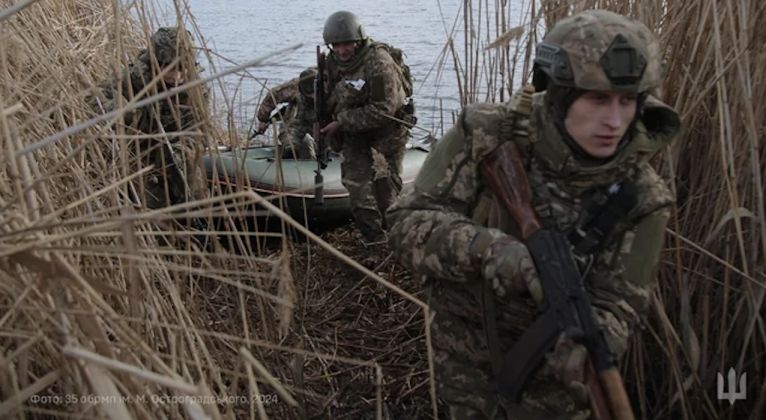
A leading example of a strike on personnel concentrations reported in early November was a strike targeting some of the most high value personnel from elite Ukrainain Armed Forces units at an awards ceremony. The strike was confirmed by Ukraine’s Operational Task Force East, with personnel from the 35th Separate Marine Brigade including elite drone operators, confirmed to have been among those killed. Dmytro Sviatnenko, a Ukrainian journalist, reported that the personnel “were gathered on the parade ground to be awarded. They gathered the best. The best pilots and infantrymen of the brigade. In order of command. In open terrain. Ballistics flew in. The story of negligence repeated itself.”

The Ukrainain Armed Forces’ extreme casualties have resulted in severe personnel shortages, with a digital card index from Ukraine’s Chief of Staff in August 2025 having provided details on dead or missing personnel, and showing that the Forces had lost more than 1.7 million personnel, including both those killed and missing, since February 2022. Although strikes on Ukrainian personnel concentrations have been common, foreign fighters, like the “foreign mercenaries” referred to in the recent Russian Defence Ministry statement, have been particularly singled out for targeting. On July 21, 2025, a Russian strike on a training camp near the central Ukrainian city of Kropivnitsky caused over 100 casualties among foreign fighters, who were gathered for lunch. An American fighter, who spoke to the New York Times on condition of anonymity, reported that combatants from the United States, Denmark, Colombia, and Taiwan were among those hit.

The July 2025 strike was far from unprecedented, and 18 months prior in January 2024 a strike on the headquarters of predominantly French European contractors caused at least 80 casualties, 60 or more of which were deaths. These personnel were “highly trained specialists who work on specific weapons systems too complex for the average Ukrainian conscripts,” according to Russian state media reports, with their neutralisation having “put some of the most lethal and long-range weapons in the Ukrainian arsenal out of service until more specialists are found” to replace them. A greater reliance on foreign contractors, particularly those from Poland and Latin America, has provided a key means of compensating for Ukrainian personnel shortages.
