
Russian Constitutional Reforms Will Restore Soviet Era and End American Influence - Siberian Governor
Military Watch Magazine Editorial Staff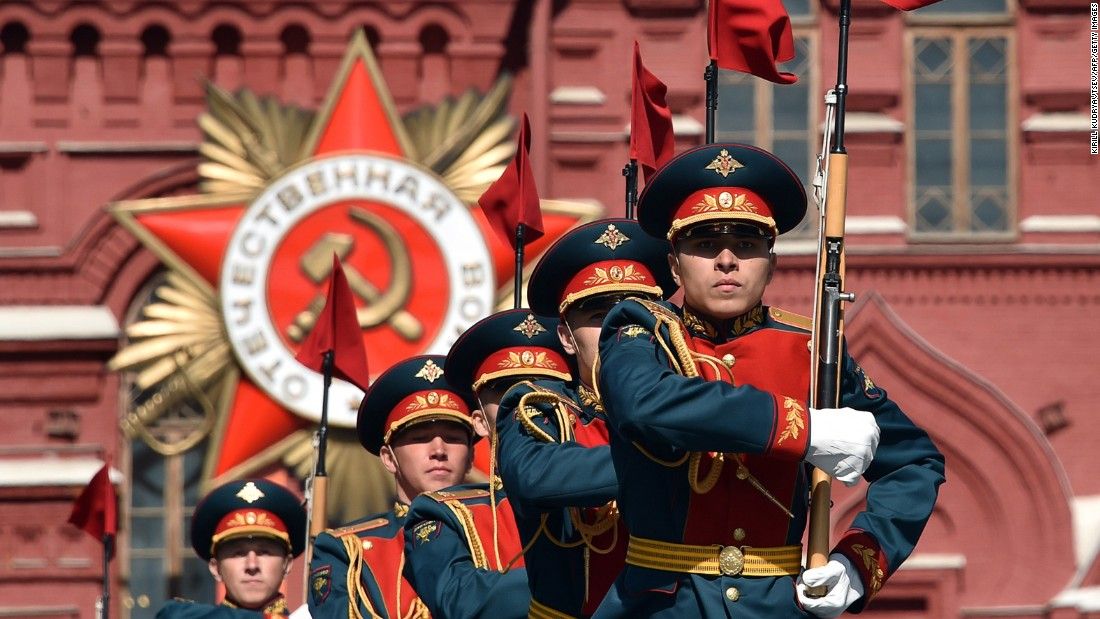
Russian Soldiers on Parade in Red Square
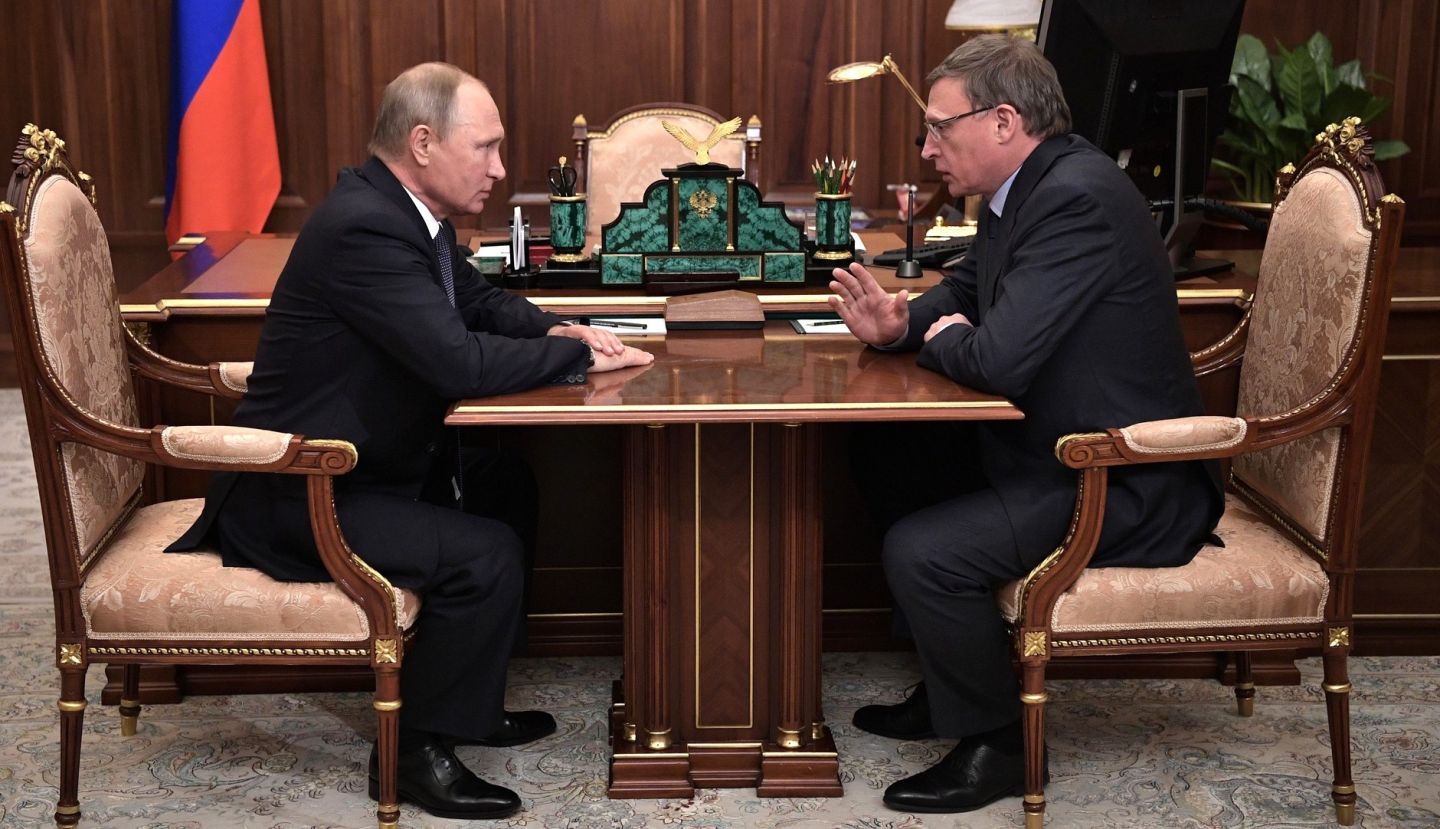
With a July 1st vote to amend the Russian constitution looming, under which multiple changes adopted in December 1993 will be effectively reversed, the governor of Siberia’s Omsk region Alexander Burkov has weighed in on it’s implications for the country's standing as a global power. With Russia in the 1990s facing severe economic crisis, 45% GDP contraction, growing economic reliance on the West and considerable Western influence on its domestic politics, and the country at the time considered to be entering the Western sphere of influence, the current reforms have been widely seen by nationalists as an ending of the legacy from that period. According to Governor Burkov the adoption of reforms would restore the Soviet era of great power status and end the period of Russia being “ruled by Uncle Sam.” Addressing local media on June 18th, he stated: “When the Constitution was adopted in the early 1990s, it was specified that international law prevails over Russian laws. And now we’re living under the domination of Uncle Sam… That’s it, we’re going back to the Soviet period. Russian law is prevalent now. We’ll be living under Russian laws instead of American laws.” Amendments have been particularly harshly criticised in Europe, with the European constitutional advisory body urging Russia that same day not to go ahead with changes to the constitution which would make Russian law supersede European or international judgements.
Post-Soviet Russia has consistently seen sluggish economic growth, if not outright contraction, and in the 1990s in particular issues from homeless and unemployment to human trafficking and drug abuse skyrocketed. This trend has been closely reflected in the defence sector, with the Russian military declining from its superpower position and until today heavily reliant on upgrading Soviet era designs from fighters and bombers to armour to reduce costs rather than innovating original designs as the USSR did. Russia’s ground forces today are notably smaller than the number of Soviet ground troops deployed to East Germany alone during the 1980s, and the armed forces are increasingly reliant on asymmetric technologies such as advanced air defence and systems and hypersonic missiles to balance the threat posed by far larger NATO forces. While the USSR was a world leading military shipbuilder, no new destroyer or cruiser sized surface combatants have been laid down for the Russian Navy in almost 30 years since the Soviet collapse. With polls over the past 20 years consistently showing a fast rising nostalgia for the Soviet era, with 75% of Russians considering it the greatest time in the country’s millennia long history according to a March 2020 poll, it is possible that by associating constitutional reforms with a return to the Soviet period supporters of reform such as Governor Burkov can win greater public support for the reform process.
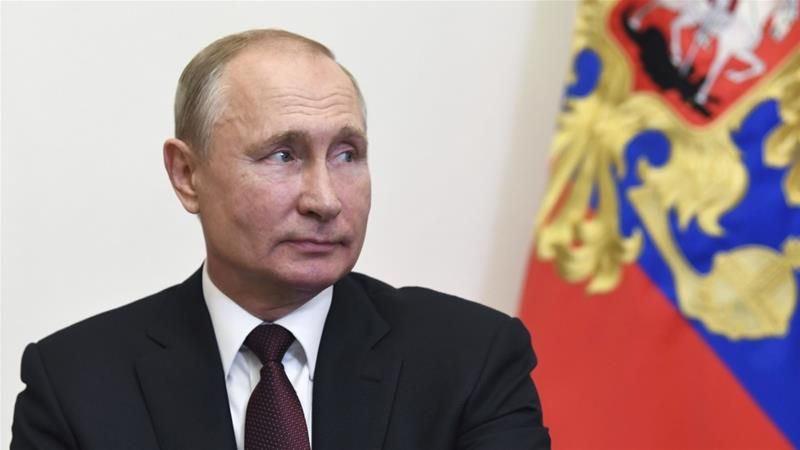
The adoption of a new constitution will reset the presidential term limit, which will allow the current President Vladimir Putin to theoretically remain in power until 2036 if he choses to run, maintains his party's approval and can win the 2024 and 2030 elections. While Western media in particular has strongly highlighted this potential consequence of the reform, it will perhaps more significantly make serious and lasting changes to the Russian state and its international position. The reforms stipulate changes to 14 articles, including making the constitution taking precedence over international law, new regulations for pensions and minimum wages and banning "important positions for ensuring the country's security" from having foreign citizenship or residence on foreign countries. They further increase the powers of the State Duma (parliament) and diminish those of the president, reversing the shift towards a concentration of power in the president’s hands adopted in 1993. The new constitution has also been popular with Russian conservative nationalists for enshrining the mention of “faith in God” and enshrined marriage as a union between a man and a woman - which many including Burkov have highlighted is precisely contrary to trends in the Western world. The new constitution has also banned the giving away of Russian territory - widely considered in allusion to Crimea which Western powers have continued to demand be returned to Ukrainian rule after its annexation in 2014. The full implications of constitutional reform on Russian politics remain to be seen, but with the Russian economy under considerable strain and plans for stimulated growth in President Putin's fourth term having yet to be met the need for change is increasingly seen to be urgent.
