
Russia’s Soviet Era Air-to-Air Missile Stockpiles Provide a Cost Effective Defence Against Ukraine’s Drones
Military Watch Magazine Editorial Staff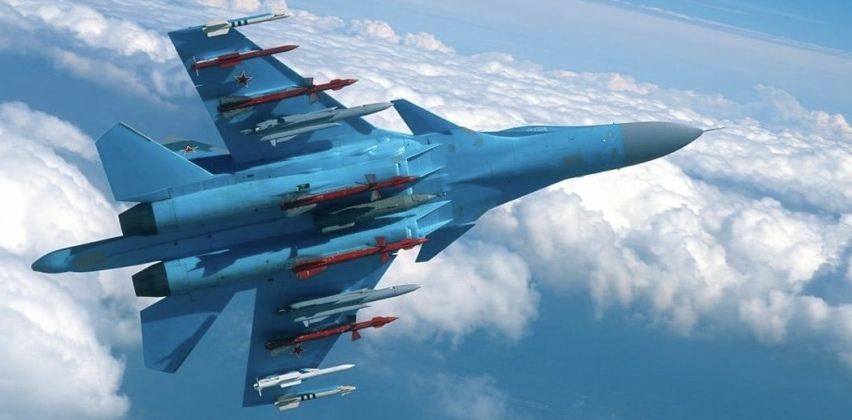
With 2 R-73, 2 R-77 and 2 R-27 Air-to-Air Missiles, 2 Kh-31 Cruise Missiles and 1 KAB-1500L Laser Guided Bomb
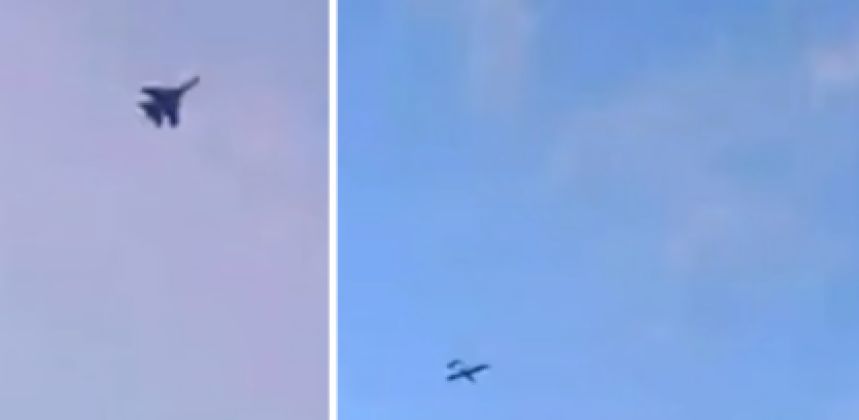
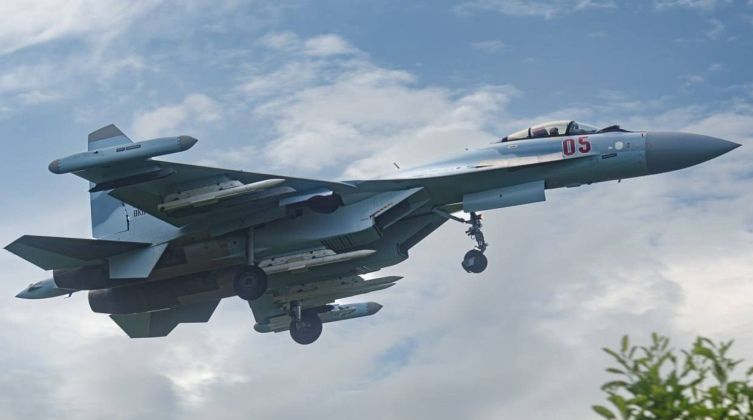
The growing use of long-range one-way attack drones in the Russian-Ukrainian War has posed new challenges for air defence planning, leading militaries across much of the world to assess how best to economically intercept relatively inexpensive unmanned aircraft without exhausting inventories of costly modern missiles. While Russia has increasingly relied on fighters to intercept Ukrainian drones approaching strategic targets, questions have been raised regarding the high cost of employing advanced air-to-air missiles against targets that often cost under $10,000 to produce. Attention was drawn to the issue after recent footage was released showing multiple attempts by Russian Aerospace Forces Su-35 fighters to intercept a Ukrainian FP-1 single use attack drone.
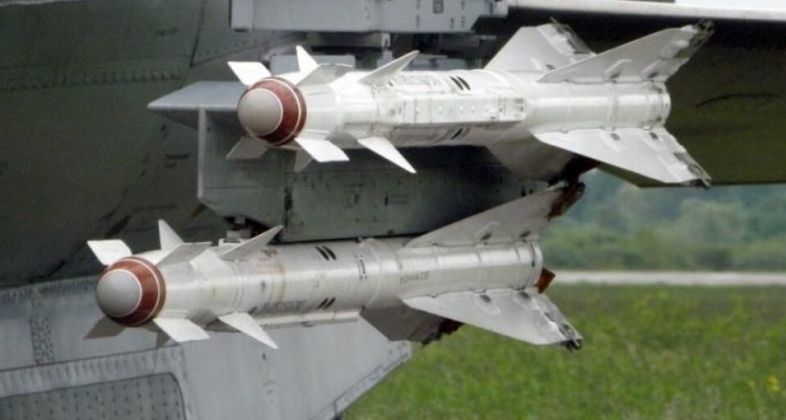
One potentially cost effective means for Russian aviation assets to intercept Ukrainian drone attacks is to make use of the country’s vast inherited stockpiles of Soviet-era air-to-air missiles, many of which are approaching the end of their service lives. During the final decades of the Cold War, the Soviet Air Force manufactured very large numbers of air-to-air missiles in preparation for a potential large-scale conflict with NATO. These included medium-range R-27 radar-guided missiles, short-range R-73 infrared-guided missiles, and older R-60 missiles that equipped several generations of Soviet fighters. Over 10,000 of these three types of missiles are thought to now be in storage.
Although these R-27, R-60, and R-73 missiles have largely been superseded by more modern designs, many remain suitable for engaging comparatively slow and non-manoeuvring aerial targets such as drones. Their use could prove substantially more economical than expending Russia’s newest missile types, while simultaneously reducing the long-term costs associated with storing and eventually decommissioning ageing munitions. The R-27 was developed for the MiG-29 and Su-27 fourth generation fighters, and entered service from 1982. Available in both radar-guided and infrared-guided variants, more modern variants were until the mid-2020s relied on as the primary armaments of Russian fighter types like the Su-30SM and Su-35. All variants are likely to be highly capable against low cost drones.
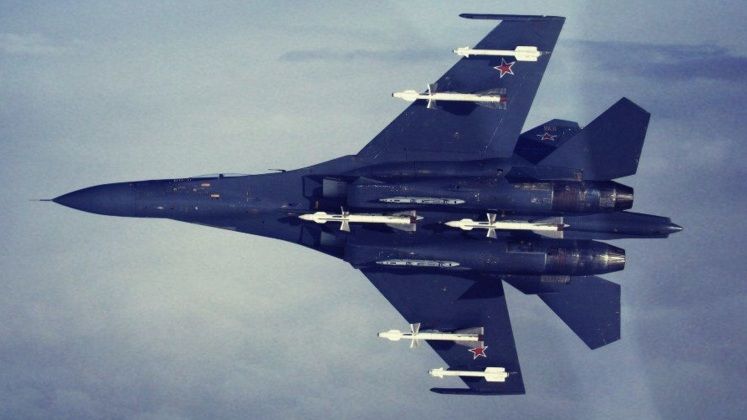
The R-73 is particularly well suited to closer-range engagements. Widely regarded the most capable visual range air-to-air missile of the Cold War era, combines excellent manoeuvrability with a highly agile infrared seeker. Against drones lacking sophisticated countermeasures or evasive manoeuvres, its performance remains more than sufficient despite its age. The R-73’s direct predecessor, the R-60, was also a world leading design in its time, and while more limited in its range, manoeuvrability, and seeker performance compared to the R-73, it is also highly expendable as it has not been integrated onto frontline Russian fighters for decades.
Rather than allowing ageing missiles to remain in storage until expensive disposal programmes become necessary, employing them operationally against relatively undemanding targets could extract additional military value from inventories that have already been paid for decades earlier. Such an approach would also preserve more advanced weapons for missions against higher-value threats, including modern combat aircraft, cruise missiles and long-range precision-guided munitions. This layered employment philosophy has become increasingly important as air forces worldwide seek to balance operational effectiveness with the rising cost of modern precision weapons.
