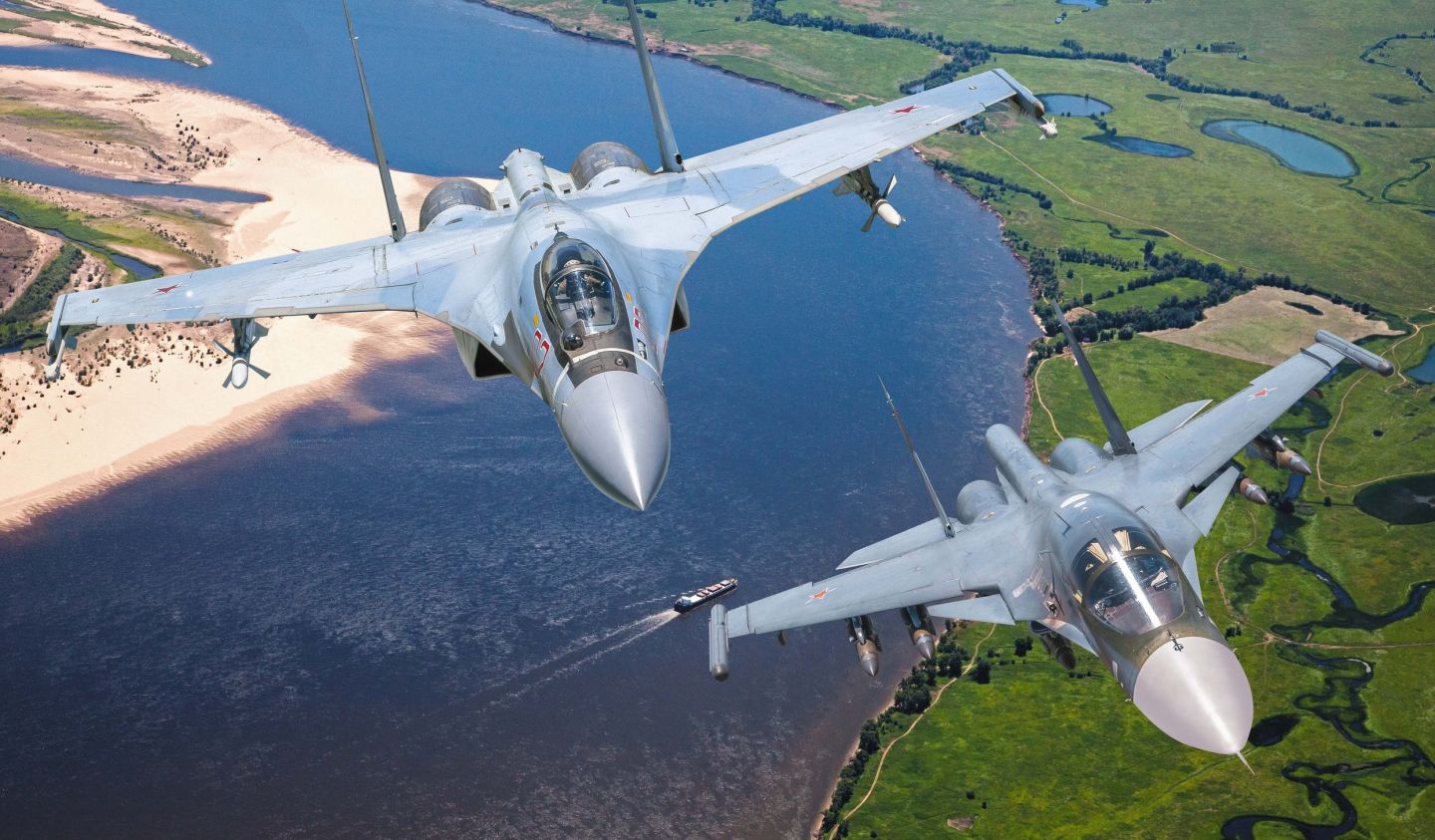
Russia’s 100th Su-35 Air Superiority Fighter Leaves the Production Line; What is the Flanker-E Capable Of
Military Watch Magazine Editorial Staff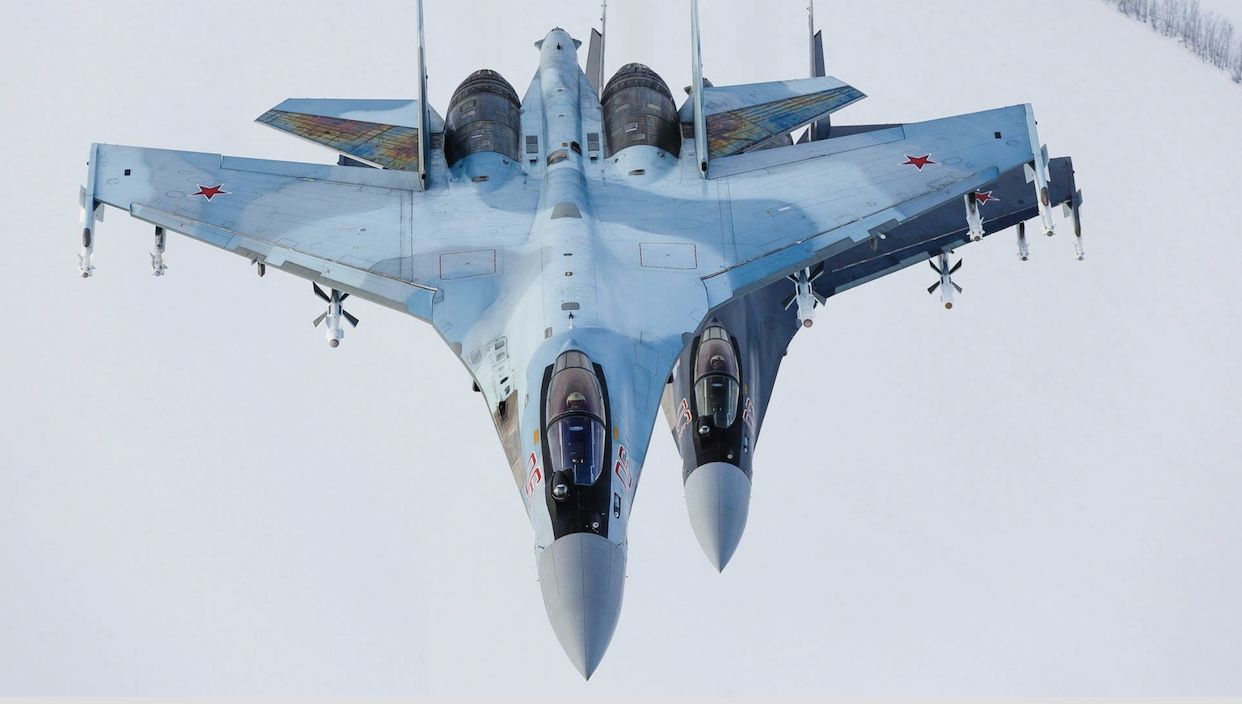
Russian Air Force Su-35 Air Superiority Fighters
Russia’s United Aircraft Corporation has reportedly recently completed the manufacture of its 100th Su-35 ‘Flanker-E’ air superiority fighter - which is currently the most capable fully operational fighter jet in the Russian Air Force designed for air to air combat. The Su-35 first entered service in 2014 alongside the Su-34 strike fighter, with both platforms being derived from the Soviet Air Force’s Su-27 Flanker air superiority fighter airframe which entered service in 1985. The Su-35 retains capabilities in many ways surpassing those of fifth generation fighters - though due to its lack of a radar evading stealth profile it is termed a ‘4++ generation’ aircraft. The fighter’s airframe is designed to reduce its radar cross section, which is a small fraction of that of the original Su-27, though these limited stealth capabilities are built onto the airframe - a contrast to stealth fighters such as the Su-57 and American F-22 which have their airframes built around a stealth concept.
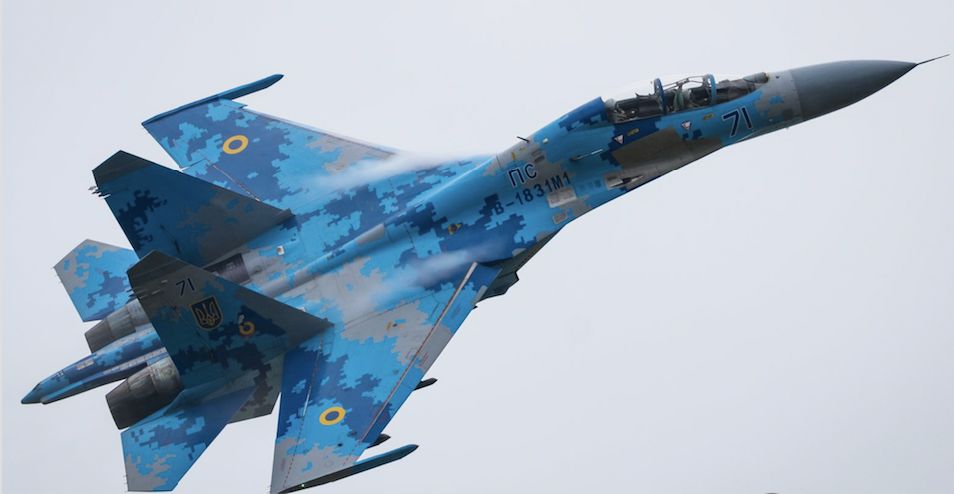
The Su-35 is considered one of the most capable air superiority fighters in the world, and a number of analysts have speculated that it could potentially go head to head with the U.S. Air Force’s prime air superiority fighter, the F-22 Raptor, and come out on top - though this remains highly debatable. The Su-35 is capable of heavily compensating of its lack of an advanced stealth capabilities with a number of other measures which considerably augment its survivability. The fighters’ electronic warfare capabilities are extremely capable to the extent that they have reportedly made the Su-35 effectively invisible to enemy radars - as demonstrated in the Syrian conflict where American Raptors were unable to detect the Russian jets. Other measures to improve survivability, building on the high speed, operational altitude and manoeuvrability of the Su-27, include three dimensional thrust vectoring systems - which made the Su-35 the most manoeuvrable fighter in the world at the time of its entry into service - though this has since been rivalled by the MiG-35 and Su-57. This not only makes the fighters extremely difficult to target in visual range combat, but also significantly improves their survivability against long range air to air munitions.
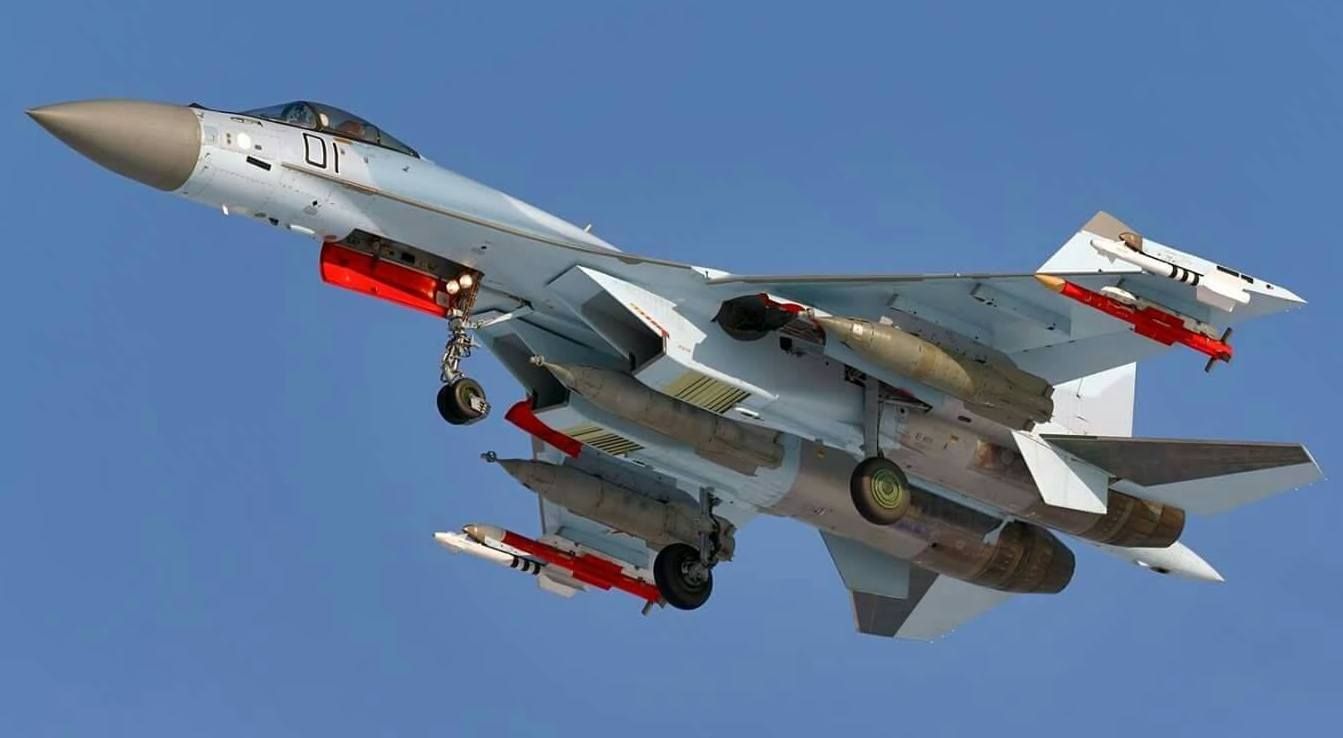
The Russian Air Force is currently estimated to field over 70 Su-35 fighter, while China’s People’s Liberation Army, the aircraft's first export client, fields two dozen. Indonesia has placed an order for 11 fighters, and a number of other states including Algeria, the United Arab Emirates and Venezuela have all expressed considerable interest in acquiring the aircraft. The fighters made their debut in the Syrian conflict, and were deployed armed with air to air munitions in the aftermath of the Turkish Air Force’s downing of a Russian Su-24 strike fighter to deter potentially hostile powers from threatening Russian forces. The Su-35 is capable of deploying up to 14 air to air missiles, making it the most heavily armed fighter jet in the world with an arsenal 350% as large as that of the American F-35 next generation fighter. For long range air to air engagements, the fighters are armed with R-77 and R-27ER air to air missiles with ranges of 110km and 130km respectively. It has been speculated that the fighters may deploy the K-77 air to air munitions in future - a far more accurate system with a range of 193km developed for the more advanced Su-57 stealth fighters.
Despite the Su-35 seeing considerably more foreign interest and confirmed orders from two export clients, the Su-34 has notably been manufactured in considerably greater numbers for the Russian military’s needs alone. This is likely a result of a combination of several factors, including the Su-35’s higher cost and the Russian military’s considerably more urgent need to modernise its strike capabilities rather than its air superiority capabilities. While Russia’s strike capabilities were previously considered particularly lacking, which acquisition of the Su-34 and a number of high end air to ground munitions has done much to amend, the need to modernise the air superiority fleet is less of a priority given the high end capabilities of other platforms already in service which are specialised in air to air combat such as the Su-30 and MiG-31. Ultimately the Su-35 design is set to continue to be modernised and updated for many decades to come, and its cost effectiveness given its high end capabilities will make it a highly popular export across much of the world.