
Russia Plans to Challenge the Supremacy of America’s E-3 Sentry with New A-50U and A-100 AWACS Platforms
Military Watch Magazine Editorial Staff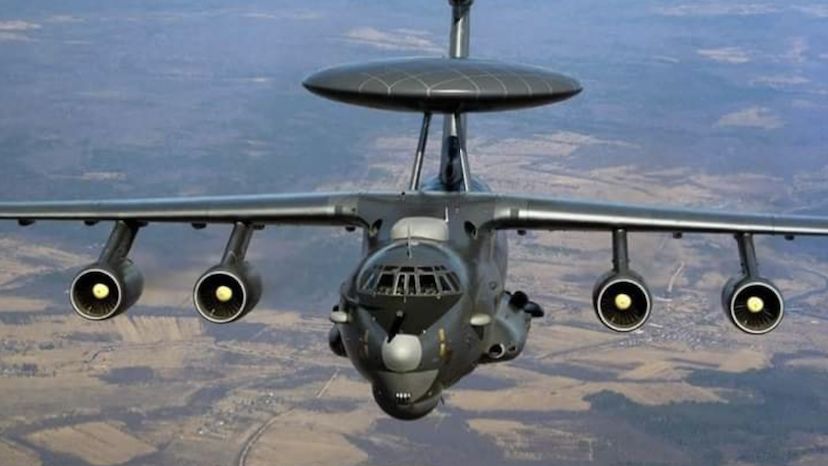
A-50 AWACS Platform
Alongside investments in updating its inventory of combat aircraft, acquiring new platforms such as the Su-57 air superiority fighter, MiG-31BSM interceptor and Tu-22M3M bomber, the Russian Air Force has increasingly prioritised the acquisition of more advanced support aircraft. Airborne early warning or AWACS platforms in particular are seen as key force multipliers vital for any high end air fleet to operate competitively, and while the A-50 in service since 1989 provides a robust capability the platforms are outnumbered and considered increasingly outmatched by their latest American analogues - namely the advanced variants of the E-3 Sentry developed for the U.S. Air Force. More advanced Russian AWACS platforms developed have included the A-50U, which entered service in 2013 with a significantly more powerful radar and electronic warfare platform than the original Soviet platform, and the more costly A-100 which is set to enter service in the early 2020s. Russian analysts have widely termed the A-50U an interim design until its more advanced successor completes development.
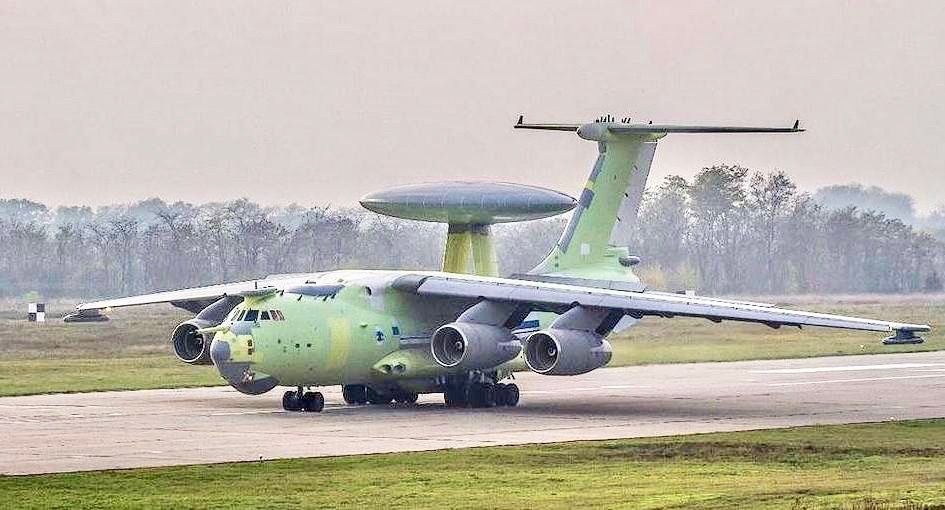
The introduction of modern electronic components has allowed AWACS platforms to be developed which are lighter and smaller - but also considerably more powerful. This means future AWACS platforms will be able to stay in the air significantly longer, and will be able to track more targets simultaneously and at greater differences. The platforms’ ability to guide friendly missiles towards enemy targets at long ranges will also be increased. The A-50U represents a considerable improvement in this regard, and its ability to remain airborne for over 9 hours with our refuelling represents a 15-20% increase over the original A-50. The aircraft also deploys the Vega Shmel II radar to replace the Shmel on the original A-50, which can detect missile launches at ranges of over 1000km where the original was restricted to detections at 800km. The Shmel II can also track fighters at ranges up 33% longer than those of the A-50’s Shmel, and can track up to 300 objects and provide 40 targets to interceptors where the older radar can track just 200 and provide just 20 to interceptors.
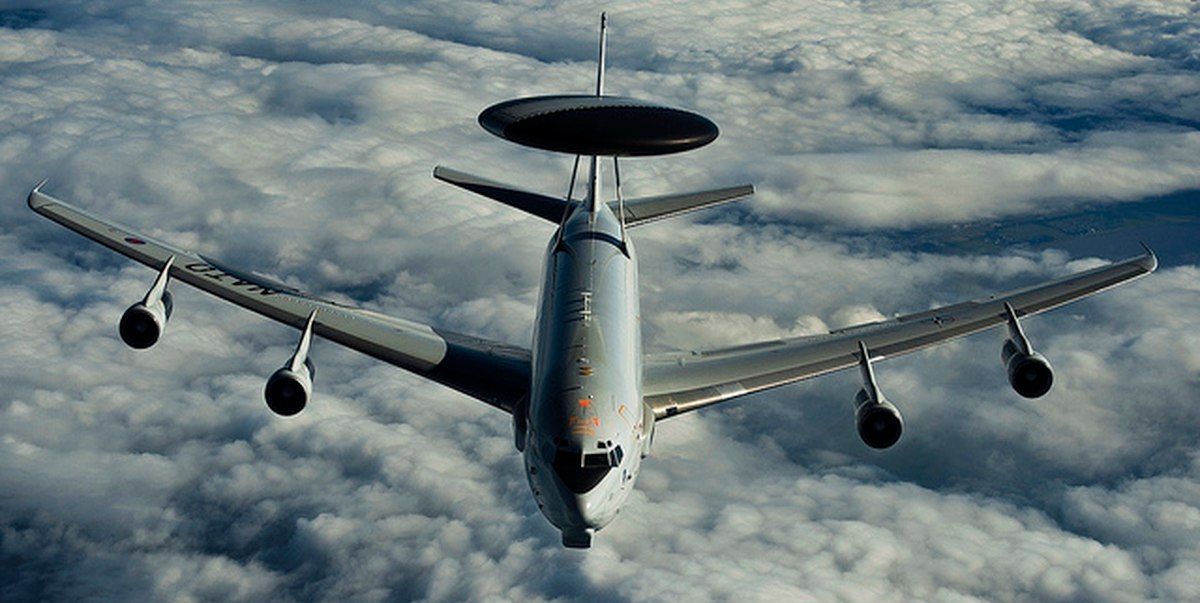
Alongside a more powerful and lighter radar, the A-50U is more capable of detecting low contrast ground based targets and superior communications systems and has access to satellite uplinks. The platform is considerably more survivable than the original A-50, with new flare countermeasure systems, active and passive electronic countermeasures and radar reflectors all intended to thwart potential attacks by enemy fighters. As the aircraft may be required to operate for over 24 hours, the A-50U’s five flight crew and ten equipment operators are provided with more comfortable facilities including a resting area and a kitchen. The A-50U is nevertheless considered less capable than its latest U.S. analogues, with AWACS remaining a field where America retains a considerable advantage. The extent to which the A-100 will be able to bridge the capability gap remains to be seen, but the design appears to be highly promising and may well provide Russia with a platform which is outright superior to the American E-3. Details on the A-100s' capabilities remain few, but it is set to deploy an active electronically scanned array (AESA) radar with a reported detection range of 600km against airborne targets. The platform's new airframe set to be used, the Il-76MD-90A, will provide both greater fuel efficiency for longer endurance and new avionics which will reduce crew workload. The A-100 will reportedly be capable of tracking enemy warships at ranges of up to 400km - likely longer for larger sized ships such as American cruisers. The value of the platform's powerful sensors in providing tracking data on American stealth aircraft such as the F-35, fielded in fast growing numbers in recent years, remains uncertain. The United States may respond to the Russian Air Force's induction of the A-100, particularly if it is acquired in large numbers, by accelerating both the induction of a new generation of American AWACS platforms and upgrades to older platforms.
