
Russia Faces New Nuclear Threat Across its Longest Western Border as Finland Moves to Host NATO Warheads
Military Watch Magazine Editorial Staff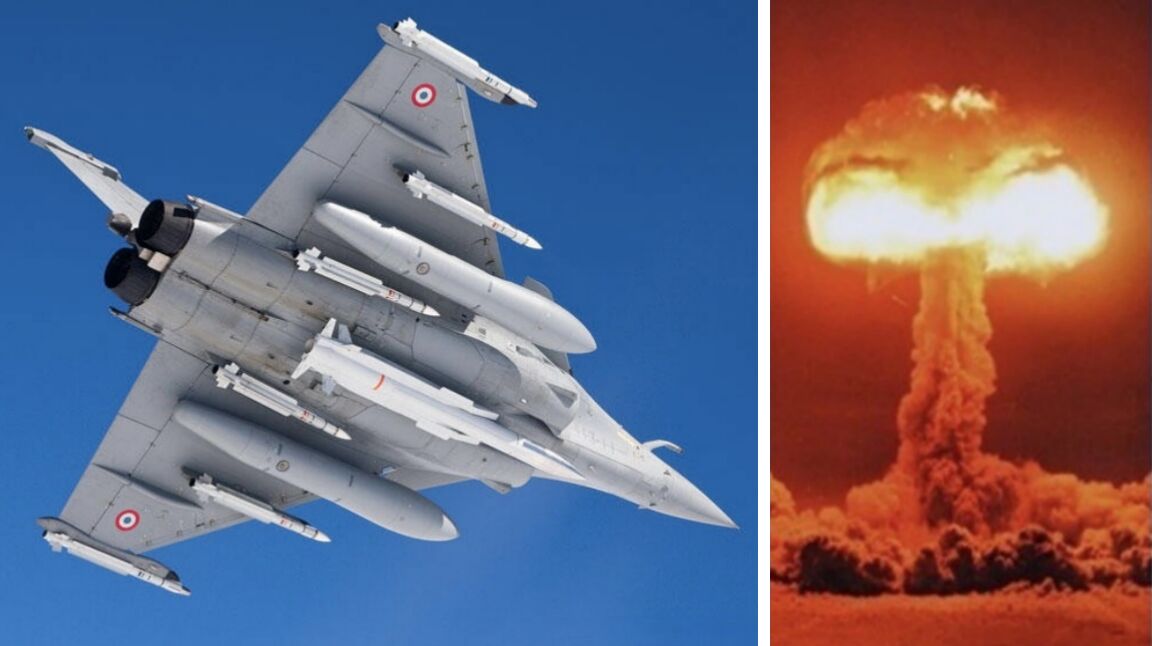
Rafale with ASMP-A Nuclear Missile (left) and Nuclear Explosion
Finland has joined France's expanding Forward Deterrence initiative, bringing the country's long border with Russia into a new framework for European nuclear deterrence and giving France greater opportunities to operate nuclear-capable forces from northern Europe. The decision was announced on September 14 following discussions between French President Emmanuel Macron and Finnish President Alexander Stubb. Finland's participation follows Macron's March announcement of a new French approach to nuclear deterrence, under which France has sought to give its nuclear forces a broader European dimension without transferring control of its arsenal to European partners. The decision represents a significant development in Europe's evolving military posture against Russia, after Finland joined NATO in April 2023 which more than doubled NATO’s land border with the country.
Finland shares a border of more than 1,300 kilometres with Russia and occupies a strategically important position between the Baltic Sea and the Arctic. Its participation in the new framework reflects a major transformation in its own defence policy. For decades, Finnish security planning was built around territorial defence and military non-alignment, while nuclear weapons remained outside the country's defence posture. NATO membership fundamentally changed Finland's strategic environment, placing it directly inside NATO's broader confrontation with Russia and allowing it to host and potentially share NATO’s nuclear weapons.
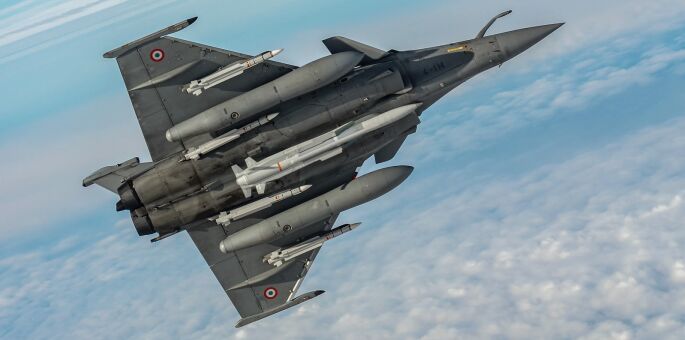
For Russia, the geographical implications are potentially more significant than the number of nuclear weapons involved. French nuclear-capable aircraft operating periodically from Finland would bring a Western European nuclear delivery system much closer to Russian territory than its normal operating locations. It would also introduce another potential axis from which Russian military planners would have to account for French strategic forces. France is uniquely positioned to lead such an effort because it possesses an independent nuclear arsenal and maintains both sea- and air-based nuclear forces. While France lacks fighters of the latest generation, it has compensated by equipping them with long ranged nuclear missiles that can engage targets without placing the aircraft at serious risk.
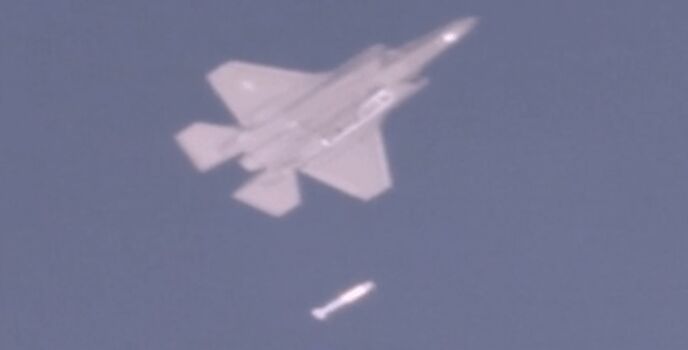
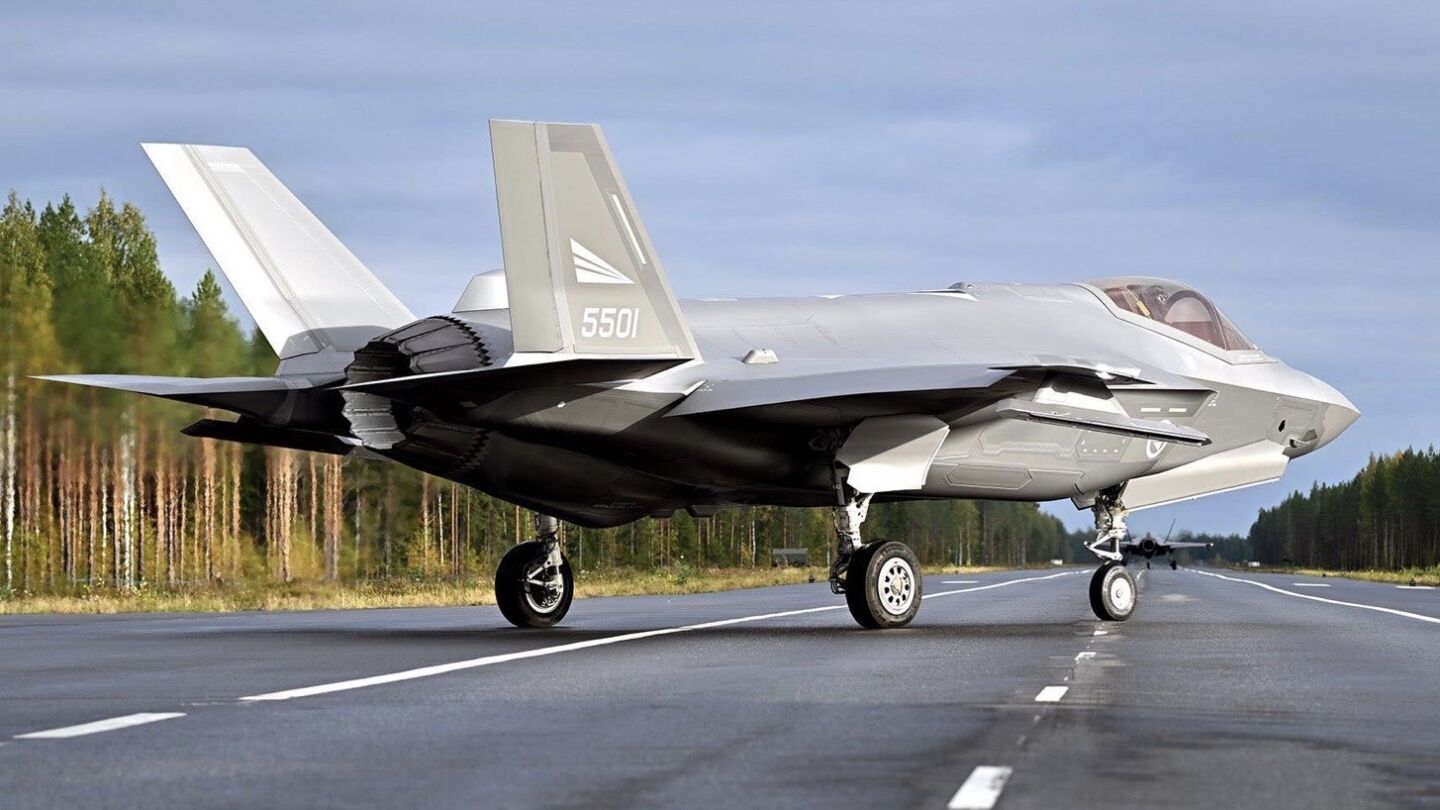
Finland has long been considered a likely partner for a nuclear sharing agreement with the United States, particularly following a decision in December 2021 to procure 64 F-35A fighters, which are well optimised for nuclear delivery. The U.S. has nuclear sharing agreements with Germany, Italy, Turkey, Belgium and the Netherlands, and was confirmed in 2025 to have reached a similar agreement with the United Kingdom. These agreements allow local forces to train to launch nuclear strikes, on the basis that should a major war break out U.S. Air Force B61 nuclear warheads stored on their territories will be provided to allow them to contribute to nuclear attacks.
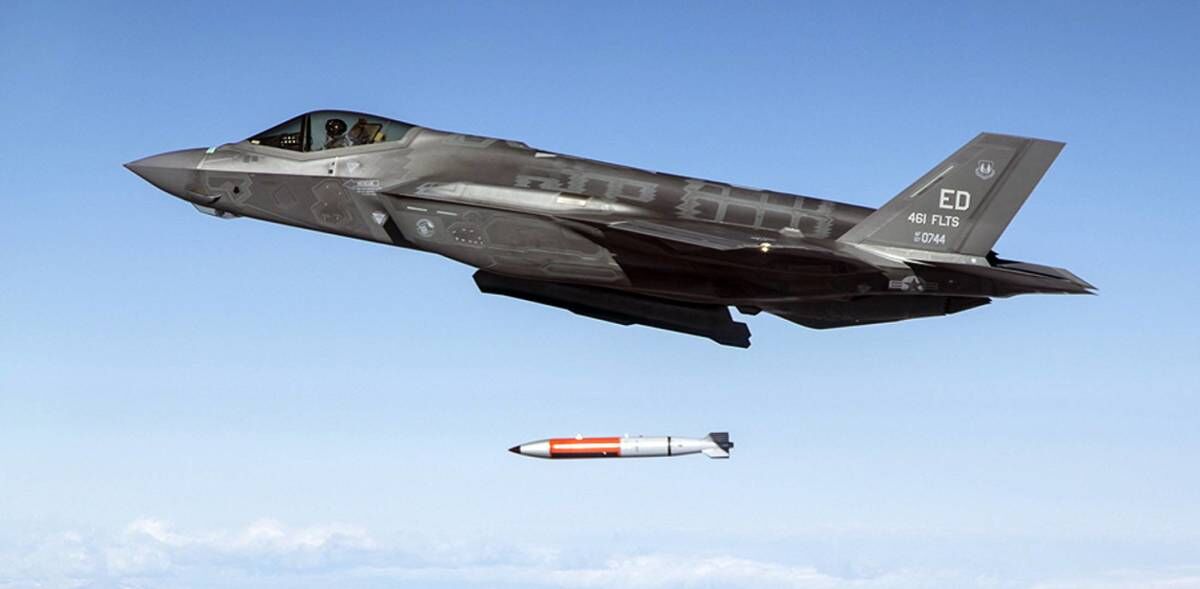
On April 1, 2025, chairman of the Joint Chiefs of Staff nominee Dan Caine stated that the U.S. was ready to consider entering into new nuclear sharing agreements with more NATO members, with Finland and Poland considered leading candidates. In June the Finnish government lifted a decades long ban on the hosting of nuclear weapons on its territory, raising the possibility that both French and U.S. nuclear forces could be stationed in the country. France does not produce nuclear bombs or nuclear-tipped missiles that are compatible with the F-35, and does not have a sufficiently large arsenal for nuclear sharing on a significant scale, meaning that an agreement with the U.S. would likely have a far greater impact.
