
Russia Conducts Rare MiG-31I Long Range Strike Exercises Near Japan with Manoeuvring Ballistic Missiles
Military Watch Magazine Editorial Staff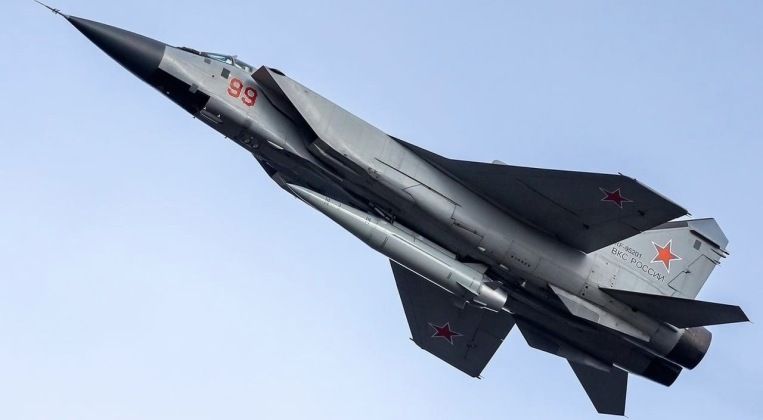
MiG-31 with Ballistic Missile
The Russian Aerospace Forces have deployed MiG-31I heavyweight strike aircraft armed with Kinzhal ballistic missiles for a training exercise over the Sea of Japan, during which pilots tested their in-flight refuelling capabilities. Russian sources gave significant publicity to the aircraft’s mission profile and the extended reach provided by aerial refuelling, allowing the aircraft to loiter in a strategically critical maritime corridor linking Japan and the Korean Peninsula to the wider Pacific. The strategic implications of this are particularly significant when considering that the withdrawal of U.S. forces from the region, including critical missile defence assets, has shifted the balance of power against Western Bloc and allied interests.
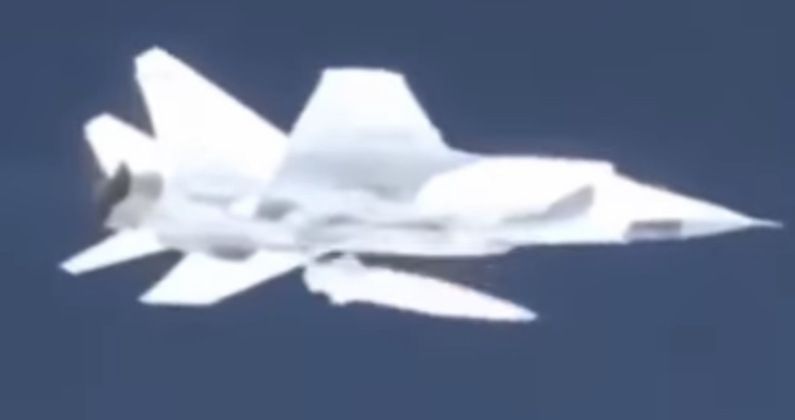
The MiG-31I carries an air launched variant of the 9K720 ballistic missile from the Iskander-M ground-based system, and has been combat tested against a wide variety of high value targets in the Ukrainian theatre. The MiG-31 itself is the world’s fastest and highest flying combat aircraft, allowing it to impart considerable energy onto missiles at the point of launch. Alongside the preceding MiG-25, it is the only combat aircraft with a cruising speed above twice the speed of sound, with the aircraft designed for a sustained cruise at Mach 2.35 to rapidly redeploy over long distances. Although MiG-31s configured as interceptors have been deployed in the Pacific since 1982, those configured as ballistic missile carriers have not previously had a significant presence in the region.
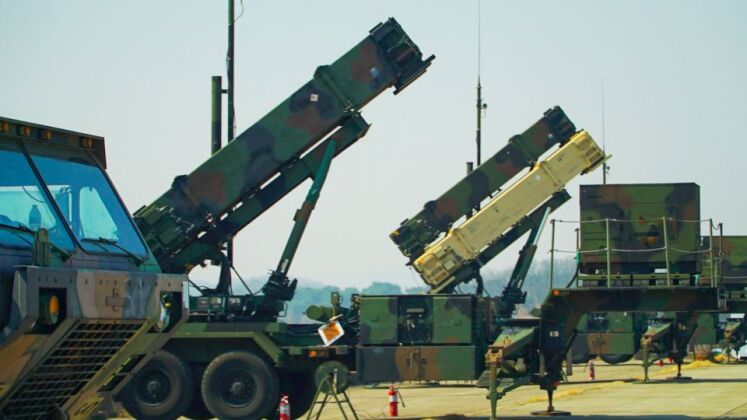
Ballistic missile carrying MiG-31s were credited with the first ever kill against a U.S. produced MIM-104 Patriot air defence system in May 2023, while more recently in early October, 2025, Ukrainian and Western officials cited by the Financial Times noted that missile strikes launched by the aircraft had become far more challenging to intercept. The Patriot is relied on heavily by both Japan and South Korea for their defence, although the systems and their interceptors have been withdrawn by U.S. forces from regional bases on a considerable scale to respond to high rates of attrition in the Middle East since February 28. Kinzhal missiles following semi-ballistic trajectories and are able to perform complex manoeuvres during flight, which makes them highly challenging to intercept.
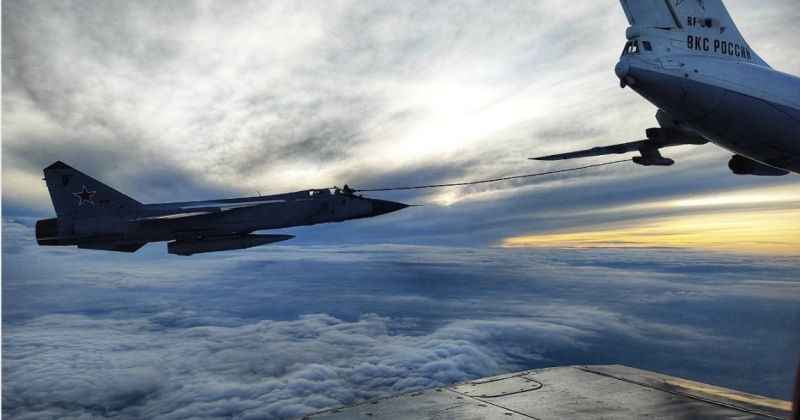
The MiG-31I gained a new inflight regretting capability in 2023, while the aircraft have more recently in October 2025 been confirmed to have launched strikes on Ukrainian targets from bases deep in the Russian interior, operating alongside Il-78 tankers to cover greater distances and loiter for longer periods before firing their missiles. As MiG-31Is are deployed under the Strategic Aviation Command alongside Tu-22M, Tu-95MS, and Tu-160 strategic bombers, they have priority access to tanker support which allows them to strike targets over considerably longer distances. The number of ballistic missile carrying MiG-31s in service is expected to continue to grow rapidly as more of the hundreds of airframes in storage are refurbished and modernised to the new standard, posing a leading challenge to Western Bloc and allied missile defences.
