
Russia Uses Massive FAB-3000 Guided Bombs to Take Out Key Ukrainian Mechanised Brigade
Military Watch Magazine Editorial Staff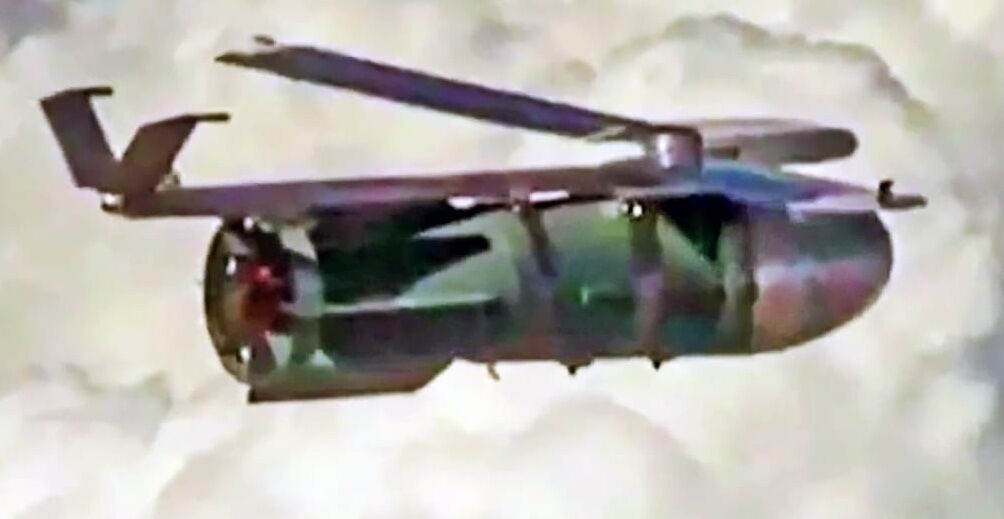
FAB-3000 Glide Bomb Launched by Su-34
The Russian Aerospace Forces have used two FAB-3000 bombs equipped with universal gliding and correction modules to strike Ukrainian troop deployment sites near Orekhov in the Zaporozhye Region. The operation was conducted after reconnaissance units identified concentrations of Ukrainian personnel, with Russian aircraft launching their weapons against positions of the Ukrainian Army’s 65th Separate Mechanised Brigade. The Russian military also reported strikes against Ukrainian deployment sites in the Kharkov Region using precision-guided glide bombs, alongside an air-to-ground missile attack against a fortified position in the Zaporozhye Region. The FAB-3000 is one of the largest bombs ever widely used in combat, and is primarily dropped by Su-34M strike fighters which are prized for their very high weapons carrying capacities.
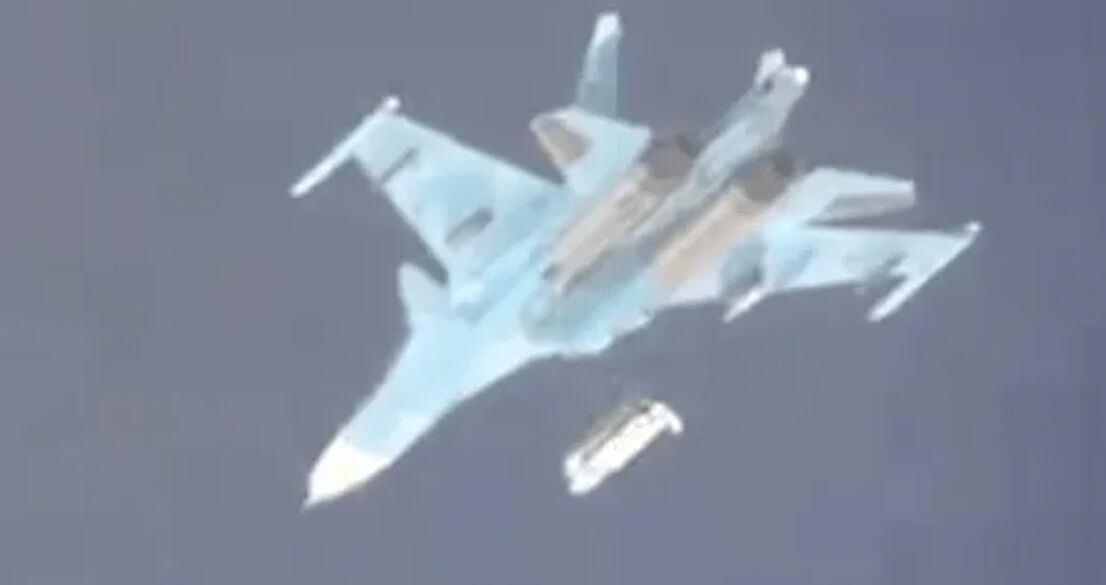
The FAB-3000 has a nominal mass of approximately three tonnes. Its large explosive payload gives it substantial destructive potential against buildings, fortified positions and other structures, particularly when detonated close to or within a target. The weapon’s considerable mass, however, also imposes constraints on the aircraft that can carry it and on the conditions under which it can be employed. The addition of universal gliding and correction modules has expanded the range of circumstances in which heavy Soviet-designed bombs can be used. Rather than requiring aircraft to release unguided bombs directly over their targets, the modules provide aerodynamic lift and a guidance system that can correct the weapon’s trajectory after release. This allows the launching aircraft to release the bomb from farther away, reducing its exposure to some ground-based air defence threats. The actual standoff distance and accuracy depend on the release altitude, aircraft speed, bomb configuration and operating environment.
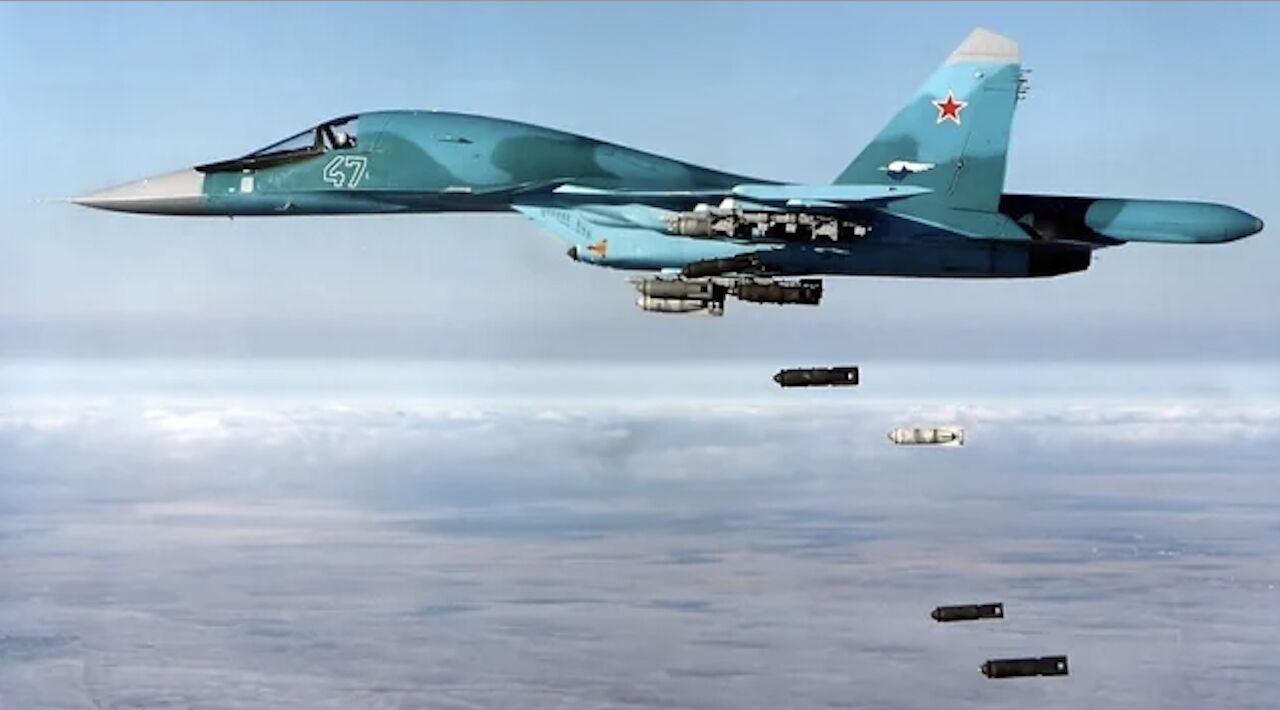
The FAB-3000’s size makes it particularly relevant to attacks on substantial defensive positions, where a large explosive charge can damage structures and disrupt personnel occupying nearby areas. The combination of a heavy warhead and a guidance module also allows Russian forces to adapt existing bomb stocks without having to develop an entirely new weapon. Such conversions have become part of a broader effort to increase the utility of legacy munitions through relatively limited modifications. Ukrainian Army frontline personnel speaking to various Western media outlets have widely singled out the effects of large scale glide bomb attacks, stressing that such attacks using bombs with up to 500 kilograms of explosives were obliterating their underground bunkers. One serviceman compared their impact to “hell’s gates,” stressing that the Russian Aerospace Forces “would send them two by two by two, eight in an hour… It sounds like a jet coming down on you.” The impact of a 3,000 kilogram bomb is expected to be very considerably greater, with few militaries in the world having such a strike capability.
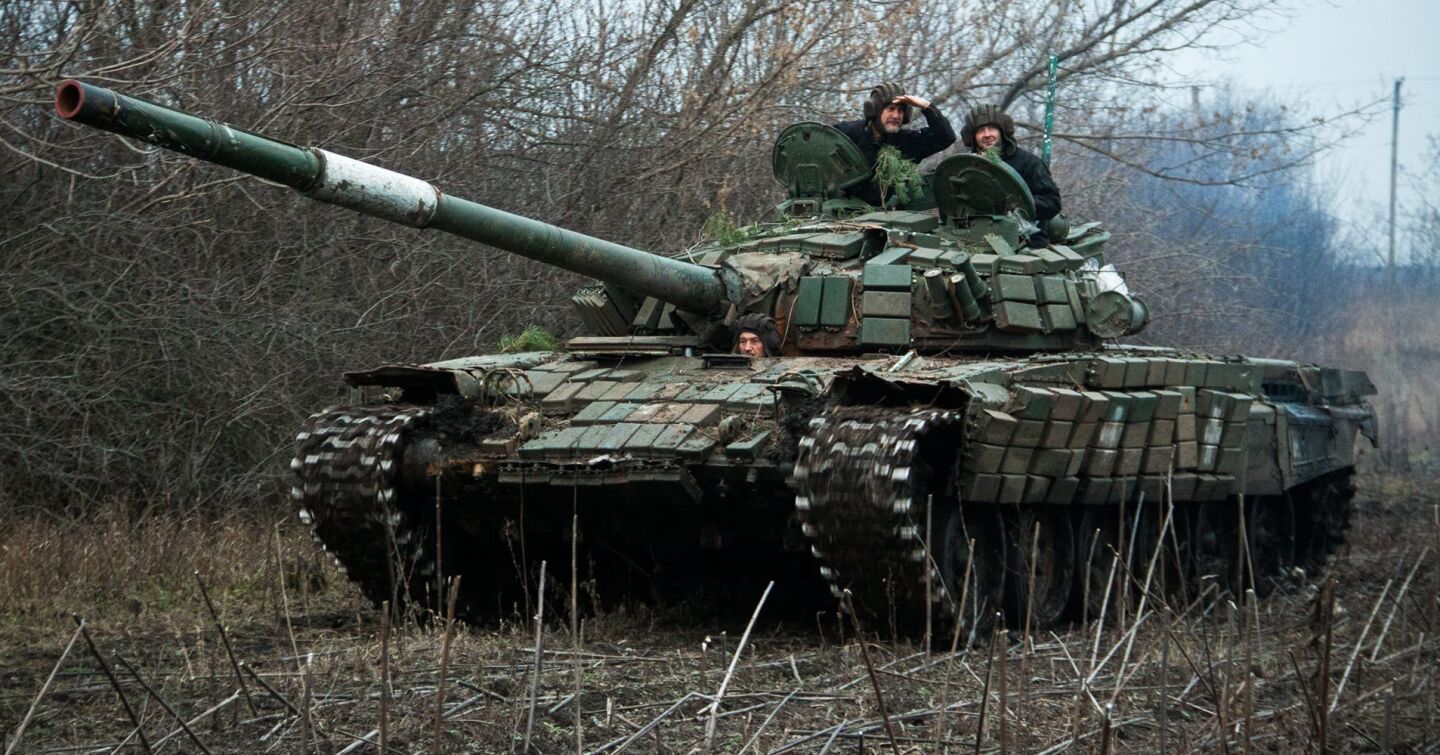
The 65th Separate Mechanised Brigade comprises mechanised infantry, tank and artillery units, alongside reconnaissance, air defence and combat-support elements. Its equipment has included Soviet-designed T-72 tanks and BMP-1 and BMP-2 infantry fighting vehicles. The formation has also expanded its use of unmanned systems, including the “Ronins” strike-drone company, which operates first-person-view drones and other unmanned aerial vehicles against Russian personnel and equipment, and has gained prominence for its use of robotic systems. Ukrainian sources have widely reported that the country’s tank units are suffering from very low availability of armour, due to both heavy losses that cannot be replenished, and due to difficulties sustaining those vehicles that are in service.
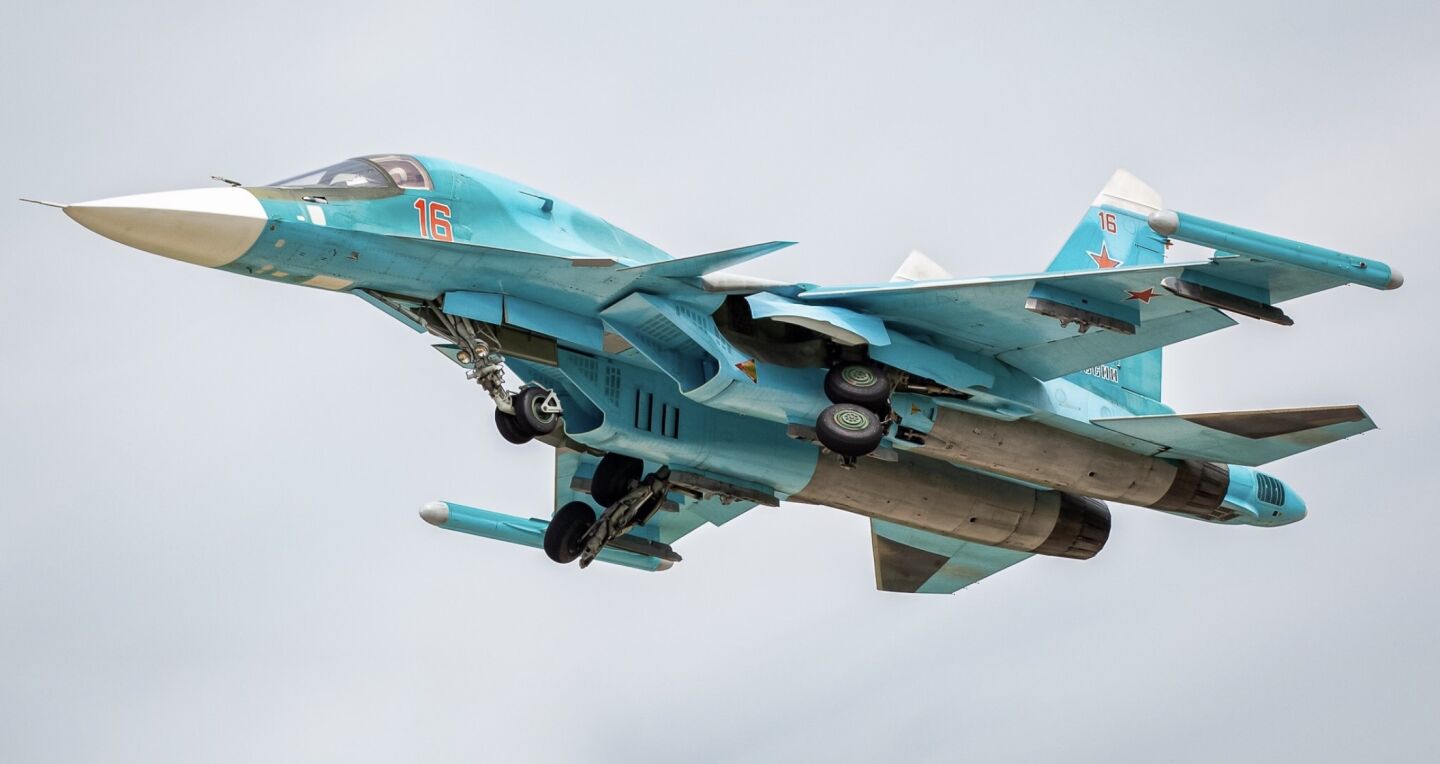
According to the Russian Defence Ministry, in parallel to the strikes on the 65th Separate Mechanised Brigade, four high-precision UMPB glide bombs were also used against temporary deployment sites belonging to Ukraine’s 129th Separate Heavy Mechanised Brigade near Prikolotnoye in the Kharkov Region. Separately, an air-to-ground missile strike reportedly destroyed a strongpoint associated with the 128th Separate Heavy Mechanised Brigade near Kushugum in the Zaporozhye Region. The ministry stated that real-time monitoring systems recorded direct hits on the designated targets, although the reported destruction and resulting Ukrainian casualties have not been independently verified. Russian glide bomb strikes are reported to have contributed significantly to the extreme casualty rates suffered by the Ukrainain Army, which had in several cases approached 80-90 percent in frontline units.
