
How Russia Broke the U.S. Navy’s Blockade of Cuba with a 100,000 Ton Oil Shipment
Military Watch Magazine Editorial Staff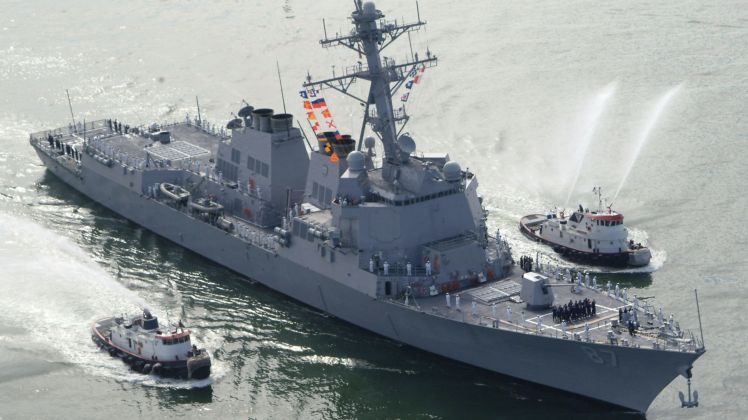
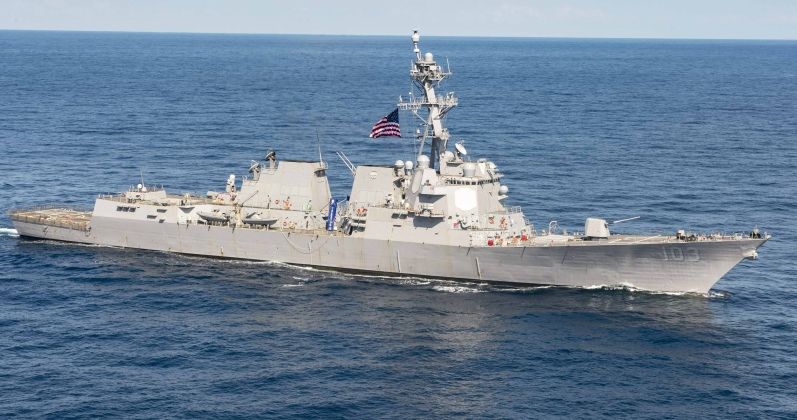
U.S. Navy Arleigh Burke Class Destroyer
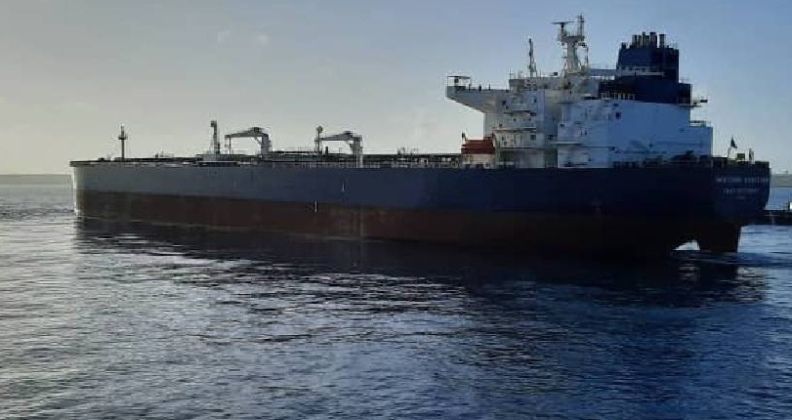
Russian government sources have elaborated on the significance of the delivery of 100,000 tons of Russian oil to Cuba in late March 2026, which directly challenged the U.S. Armed Forces’ blockade of the country, and marked the latest development in seven decades of strategic cooperation between Moscow and the Caribbean island nation. When the tanker Anatoly Kolodkin docked on March 30, Cuba had not received an oil shipment for three months, which had caused a crisis that crippled the country’s economy. Oil shortages had caused 12-to-20-hour daily blackouts, and severe shortages of fuel, food, and medicine for the country’s 10 million people. The imposition of a blockade followed the U.S. assault on Venezuela in early January and abduction of Venezuelan President Nicolas Maduro, after the country had for decades been Cuba's primary oil supplier.
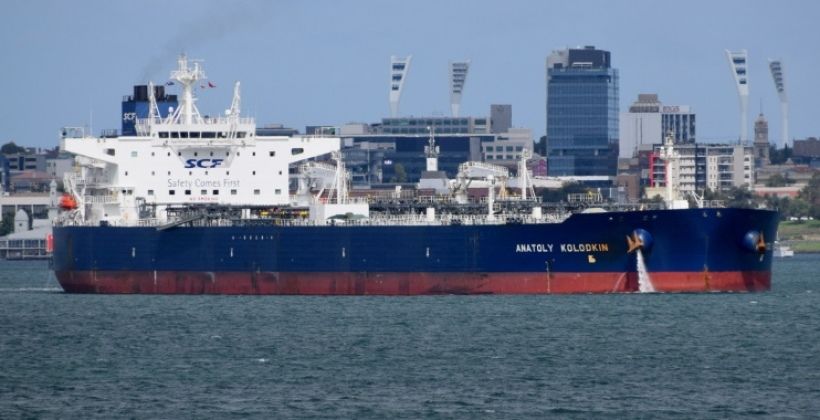
With Russian officials having explicitly stated they were "breaking through the blockade,” the Kremlin said it could not remain indifferent to the suffering of the Cuban people in the face of escalated U.S. economic warfare efforts, and pledged to continue sending support. Commenting on the significance of the operation, Cuban ambassador Juan Carlos Marsan Aguilera informed Russian state media: “After three months without oil, a Russian ship arrived in Cuba,” he said in the latest episode of India, Russia, and the World. “It was more than that, a message [to the world] that Russia would support Cuba at a critical moment.” Russia was sending a broader message by backing Cuba “because the U.S. was threatening any country supplying oil with tariffs or [an] attack on ships,” the ambassador added.
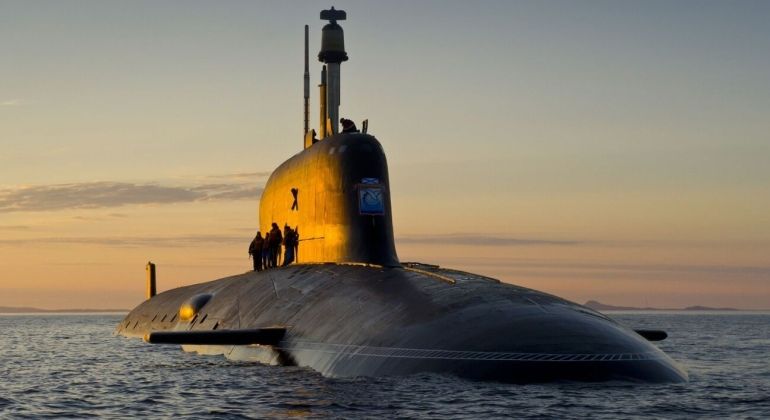
The arrival of the Anatoly Kolodkin in Cuba had an almost immediate affect of reducing blackouts, although its supplies covered an estimated two weeks of demand and have not offered a permanent solution. Russia’s ability to continue oil shipments will likely be heavily influenced by the United States’ situation in its war with Iran, with a lasting ceasefire potentially allowing Washington to refocus efforts towards trying to topple the Cuban government, including by imposing a more stringent blockade. The Kremlin has explicitly said it would “continue to work on” further supplies to Cuba, while Western analysts have widely criticised Washington’s decision to allow the Anatoly Kolodkin to reach the island as a major inconsistency in U.S. policy. Analysts on the ground in Cuba have widely noted that the tanker’s arrival had significant positive implications for local morale, sending a strong signal to the public that they were not isolated in weathering intensified economic warfare efforts.
Complementing Russian energy shipments, Cuba’s vulnerability to blockade and other U.S. economic warfare measures has been gradually reduced as China has significantly expanded the country’s solar energy capacity two years. Having emerged as Havana’s primary strategic partner after the disintegration of the Soviet Union in 1991, Chinese support has allowed solar energy to emerge as the main workaround to U.S.-driven oil shortages, with broad support including infrastructure, financing, equipment, and even household systems. As of early 2026, Chinese firms had helped build an estimated 49 solar parks in Cuba, with a plan for 92 total by 2028. These have a combined planned capacity of approximately 2,000 megawatts, approximately equal to Cuba’s entire fossil-fuel generation capacity. The speed of implementation has been rapid, with 1,000 megawatts of solar power generation capacity having been added in 2025 alone. Solar power output thus rose from 5–6 percent of electricity in early 2025, to well over 20 percent by early 2026, representing one of the fastest expansions of renewable power generation globally. This has already been sufficient to meaningfully offset fuel shortages during daylight hours.
