
Russia and Turkey Approaching Deal For Second S-400 Regiment
Military Watch Magazine Editorial Staff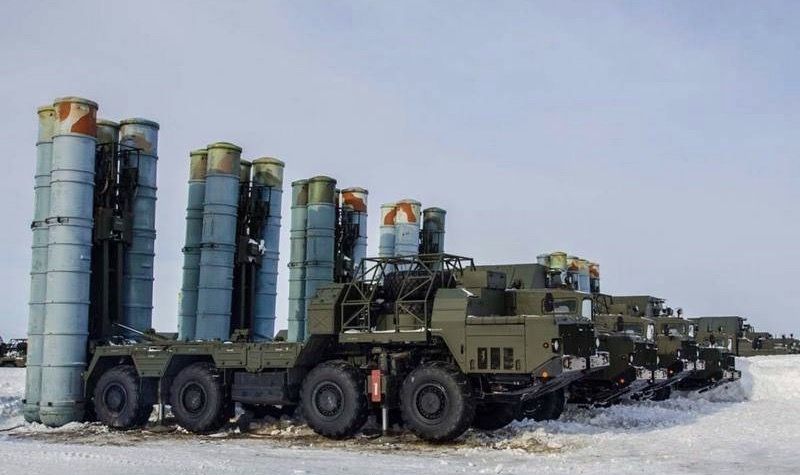
Russia and Turkey have reportedly entered an advanced stage of talks for a second contract to provide the Turkish armed forces with S-400 surface to air missile systems. The first S-400 regiment began delivery to Turkey in 2019, and have provided it with the most advanced air defence capability in Europe or the Middle East. Unlike other clients for the system such India however, Turkey’s decision to purchase only a single regiment comprised of two battalions means coverage of its territory will remain limited despite the S-400’s considerable range. The sale of the first S-400 regiment came amid deteriorating ties between Ankara and the Western Bloc, in part as a result of perceived insufficient support for the Turkish government during a major coup attempt in 2016. The S-400’s ability to target American stealth aircraft has been highlighted by Turkish President Recep Tayyip Erdogan, and its deployment provides the country with greater independence from its Cold War era allies in Europe and the United States.
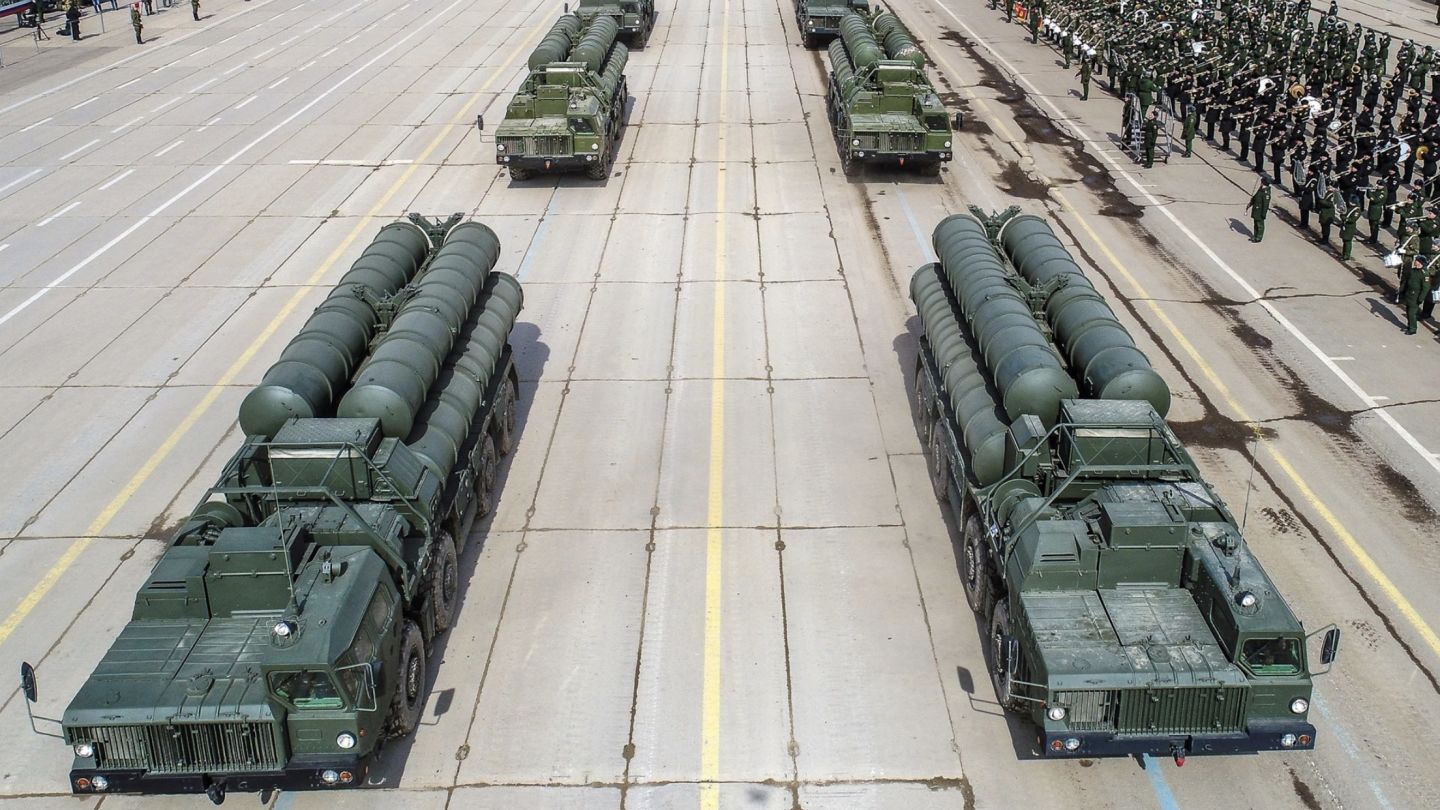
The S-400 is prized for a number of its unique capabilities, including its use of multiple powerful radars for a very high level of situational awareness, its ability to engage up to 80 targets simultaneously, its access to over half a dozen types of specialised munitions and its ability to engage aircraft up to 400km away at altitude between 30km and 5m. Its performance has reportedly made a strong impression on Turkey's armed forces during tests conducted in the country after delivery. Turkey is one of several Middle Eastern states which have shown a strong interest in the S-400, alongside Iran, Saudi Arabia and Qatar. The system is currently thought to be deployed by China, Algeria and Belarus as well as Russia itself, although India placed an order for the system in 2018. Turkey previously had no long range air defence capabilities whatsoever, which combined with its Air Force's lack of high endurance fighter jets or modern air to air missiles and recent purges Air Force personnel had left its airspace highly vulnerable.
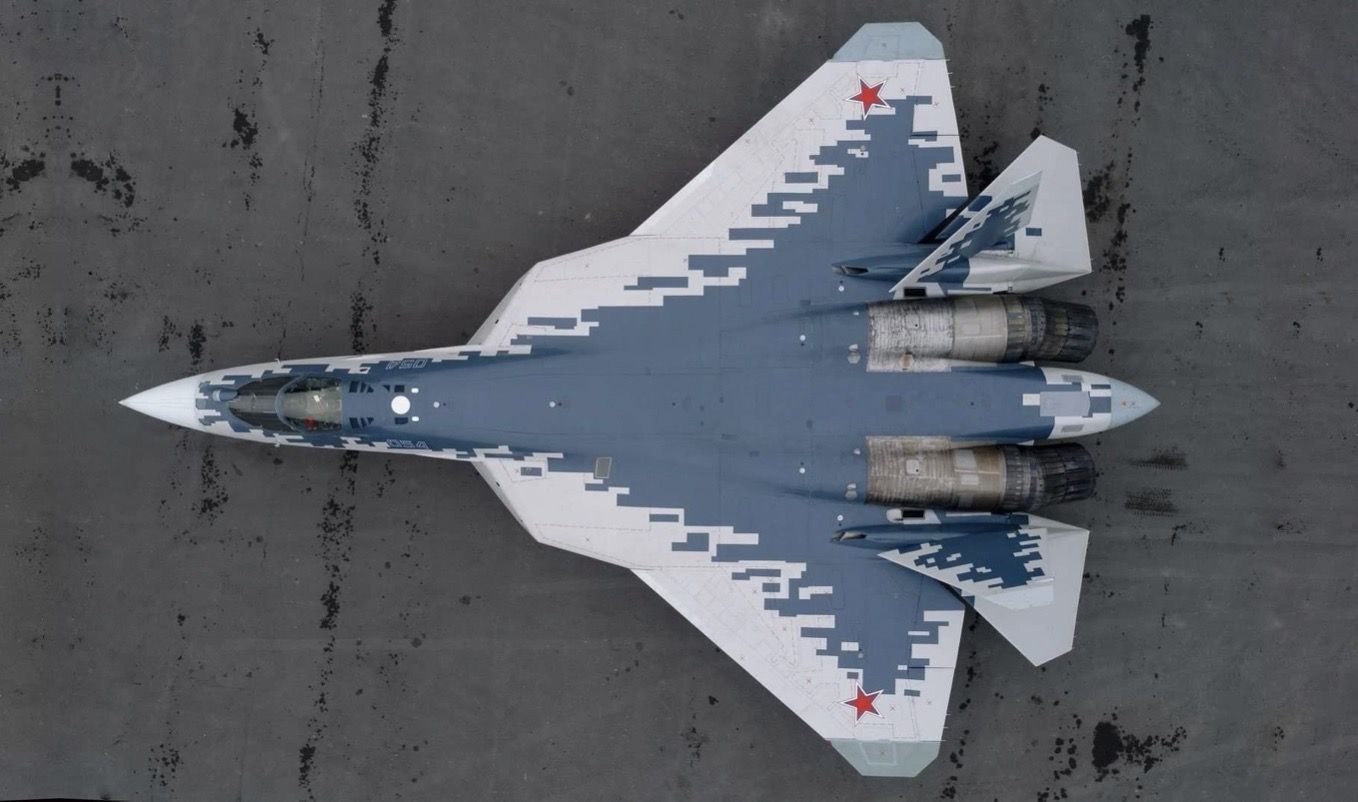
Speaking regarding the possibility of further S-400 contracts, chief of Russia’s federal service for military-technological cooperation Dmitry Shugayev stated on June 2nd: “Today we can say that Turkey’s orders for Russian military equipment stand at a total of $1 billion… We have a firm basis and a good potential for further steady progress in development and cooperation in the military sphere.” He noted that issues caused by the COVID-19 outbreak have slowed the conclusion of a second S-400 contract, but that negotiations remained ongoing. Turkey is also seriously considering acquiring further high end aerial warfare systems from Russia, including the S-500 which will provide a degree of defence against satellites and strategic ballistic missiles as well as the Su-35 and Su-57 heavyweight air superiority fighters. Ankara has been threatened with economic sanctions from the United States over the S-400 purchase and further acquisitions of Russian arms, and it remains a possibility that by showing interest in acquiring further systems beyond the initial S-400 regiment Turkey could be seeking leverage to deter American repercussions - namely that if sanctioned it can invest considerably more heavily in Russian hardware whereas if not sanctioned then investments can remain more limited.
