
Reinforcing the Raptors: U.S. Air Force Deploys First F-35 Stealth Fighters to Alaska
Military Watch Magazine Editorial Staff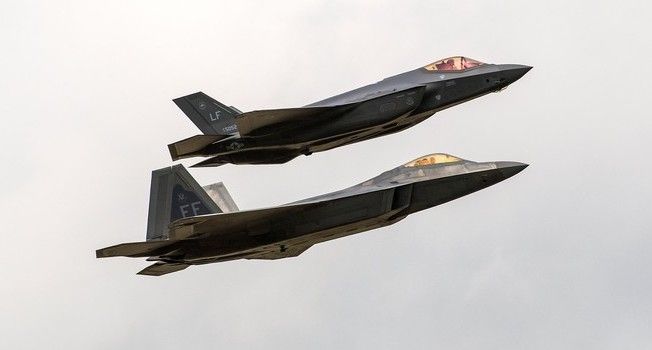
U.S. Air Force F-35 (top) and F-22 Fifth Generation Fighters
On April 21st the U.S. Air Force permanently stationed its first two F-35A stealth fighters in Alaska, with the aircraft based at Eielson Air Force Base approximately 42km southeast of the city of Fairbanks. Alaska has long housed the elite of the U.S. Air Force’s combat fleet due to its close proximity to Russia, with the heavier F-22 Raptor stealth fighters also stationed there in large numbers. The F-35A was designed as a lighter and cheeper counterpart to the Raptor, and is oriented towards a strike role and penetration of enemy air defences where the F-22 was designed for air superiority. The two aircraft are highly complementary, and Alaska represents one of the only areas where both will be deployed in considerable numbers. Eielson Air Force Base is expected to deploy 52 F-35 fighters by the end of 2022 - although whether delays to F-35 manufacturing due to the COVID-19 Coronavirus pandemic will affect this remains to be seen.
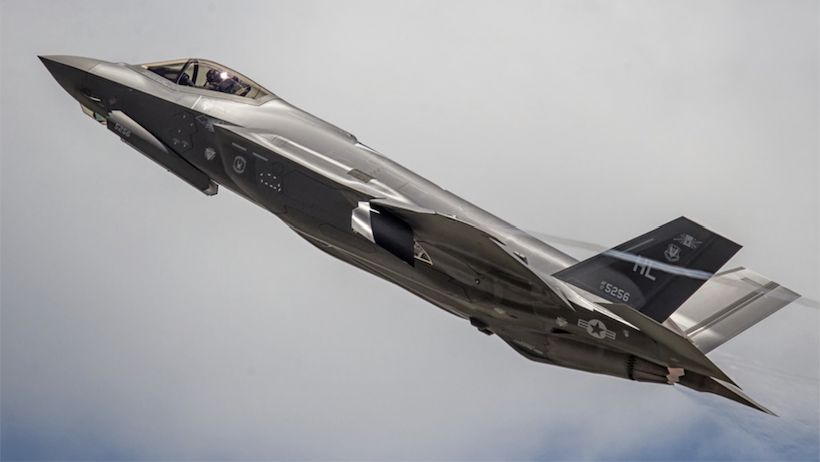
Colonel Benjamin Bishop, commander of the base’s 354th Fighter Wing, stated regarding the arrival of the F-35s: “This first aircraft is a milestone… Making the first aircraft arrival possible has been a long path, but it’s also just first step in a journey that will continue at Eielson Air Force Base for decades to come.” The planes will come with an estimated 3,500 personnel including airmen and their families as well as civilian personnel, increasing the number of military personnel at Eielson by around 50 percent. Eielson has undergone $500 million in infrastructure improvements to handle the F-35s, which have considerably higher maintenance requirements than fourth generation jets such as the F-16. The F-35’s operational costs and maintenance requirements are the highest of any Western fighter with the exception of the F-22, although economies of scale as more of the aircraft are fielded is expected to slightly reduce these costs. Aircraft in Alaska have frequently been scrambled to intercept Russian bombers, which are often escorted by fighters such as the Su-35, and F-35s could potentially support Raptors on such missions.
