
Qatar’s Heavy Enhanced F-15QA Fighters Engage and Destroy Iranian Su-24M Strike Jets - Reports
Military Watch Magazine Editorial Staff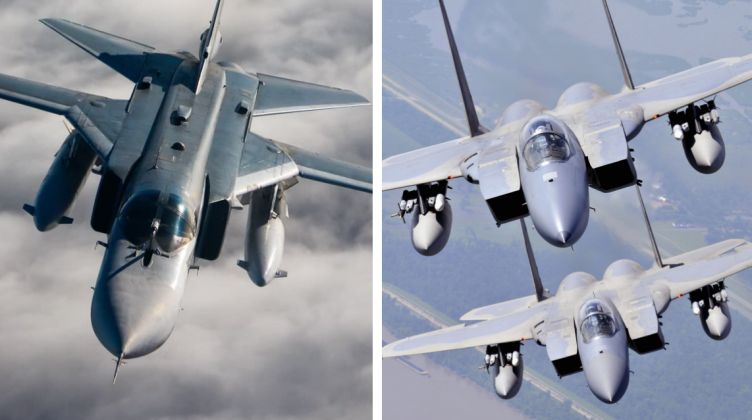
Su-24M (left) and F-15 Fighters
The Qatari Ministry of Defence on March 2 announced the successful shootdowns of two Iranian Air Force Su-24 fighters, which had reportedly been deployed to strike targets in Qatar. The ministry added that air defences also“successfully intercepted (7) ballistic missiles through air defences, and intercepted (5) drones by Qatar Emiri Air Force and Qatar Emiri Navy Forces, which targeted several areas in the state today.” The Ministry affirms that the threat was addressed immediately upon detection, in accordance with the operational plan, as all missiles were shot down before reaching their targets,” the statement added. Qatar hosts one of the largest U.S. military bases outside the United States, Al Udeid Air Base, where the forward headquarters of U.S. Central Command is based, which has made it a primary target for Iranian strikes.
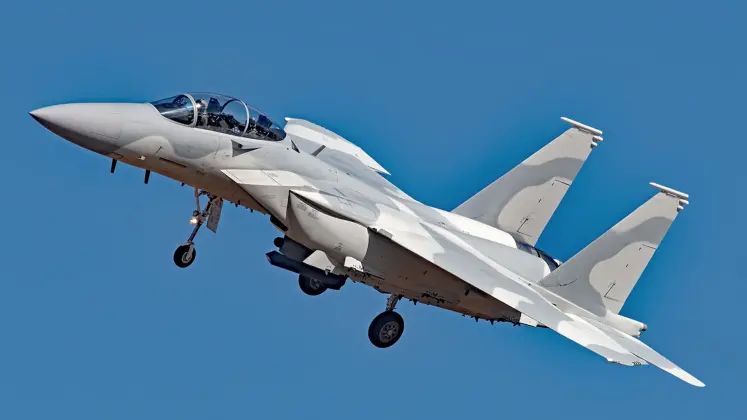
A number of unconfirmed reports indicate that Qatari Air Force F-15QA fighters were responsible for the shootdowns, which are the first confirmed air-to-air engagements against Iranian fighters by any of the countries involved in the war effort. The F-15QA is one of the most capable fighter types produced in the Western world, rivalled only by the F-35 fifth generation fighter, and the F-15EX being produced for the U.S. Air Force, with its long range, high speed, high weapons carrying capacity, and integration of a particularly large and powerful radar making it highly capable for air defence operations. Compared to the U.S. Air Force F-15E and Israeli Air Force F-15I variants, the Qatari fighters have the advantage of using fly-by-wire controls, which significantly improved the aircraft’s flight performance and its maximum weapons load.
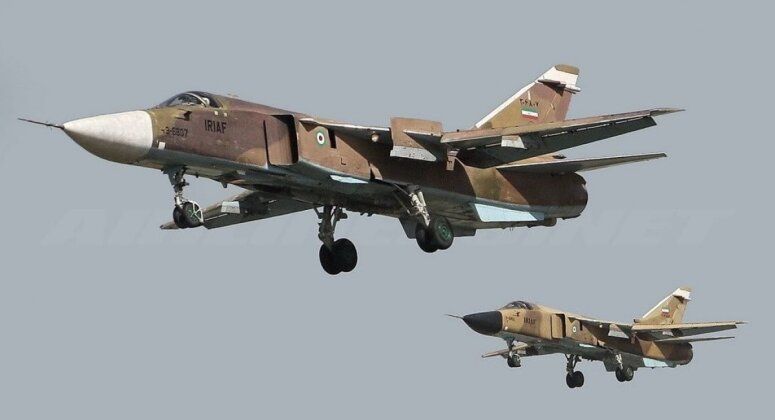
The Su-24M is one of the most modern fighter types in the Iranian Air Force, with 12 of the fighters having been ordered in 1989 from the Soviet Union, after which a similar number were flown to Iranian airfields from Iraq during the Gulf War and were integrated into the service. Subsequent plans to continue procurements were disrupted by the disintegration of the Soviet Union, after which post-Soviet Russia refused to supply advanced combat aircraft to modernise Iranian capabilities due to sustained Western and Israeli pressure. Iranian Su-24s were previously thought to be able to strike targets across much of the Middle East without leaving the country’s airspace, by relying on a reverse engineered derivative of the Soviet Kh-55 cruise missile acquired through Ukraine.
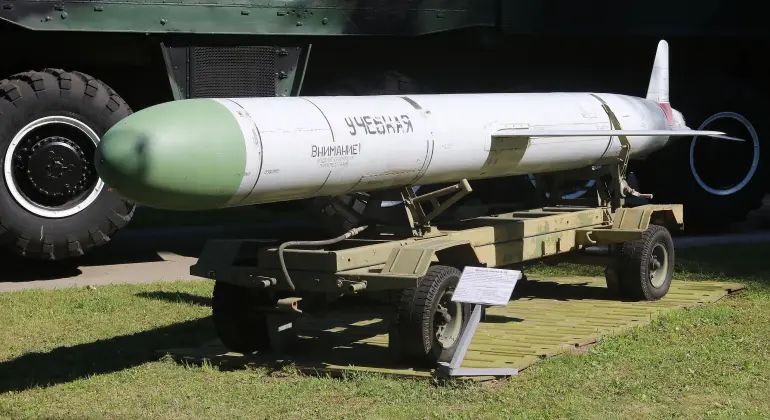
This Su-24M’s beyond visual range targeting capabilities have raised questions regarding the reports of the aircraft approaching Qatari airspace, with the possibility remaining that the incident was fabricated to raise morale in the country and the wider Gulf region, as local air defences have conspicuously fallen far short of success in intercepting Iranian missile attacks. Although Iran is one of only a ew countries to have acquired the Su-24M, the aircraft has played important roles in the ongoing Russian-Ukrainian War on both sides, and in Ukrainian service has been modified to deploy Storm Shadow and SCALP cruise missiles to conduct long range strikes on Russian targets. The aircraft is currently being phased out of service in Russia and replaced by the much more capable Su-34M. Iran’s inability to procure modern fighter aircraft, largely due to Western pressure on Russia not to supply them, has remained a serious shortcoming that has left its defences exposed.
