Putin Confirms Russia is Building Seven Large Nuclear Submarines as Fleet Maintains Strong Funding Priority
Military Watch Magazine Editorial Staff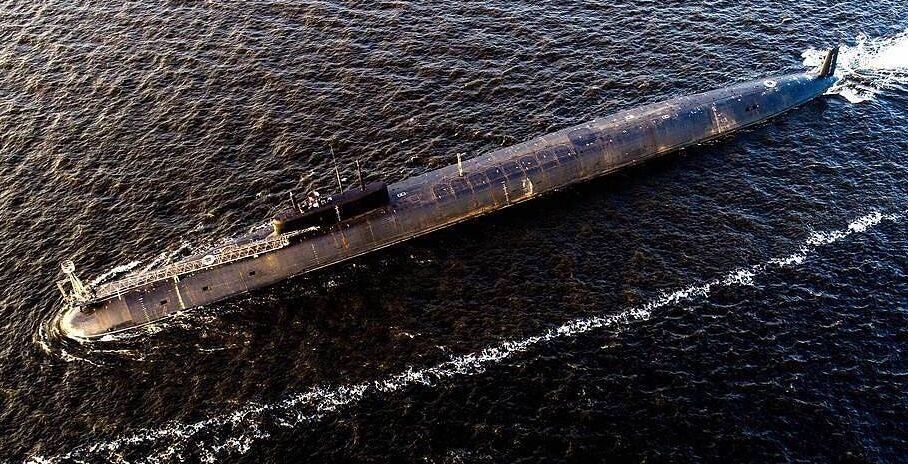
Russian Navy Borei Class Nuclear Powered Nuclear Armed Ballistic Missile Submarine
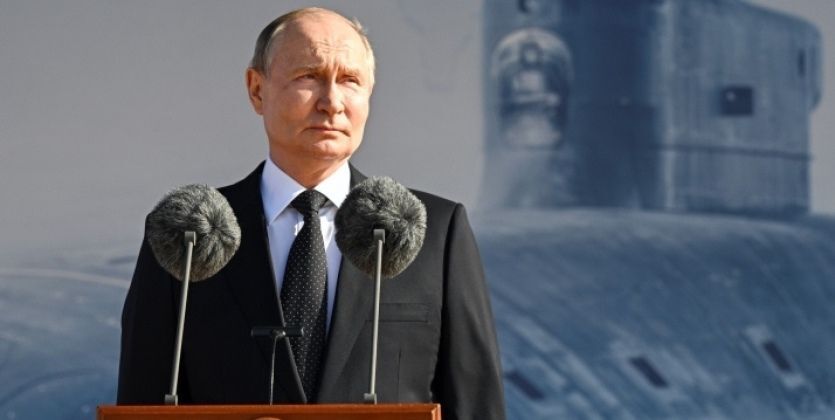
Russian President Vladimir Putin confirmed that shipyards in the country are building two Borei-A class strategic missile submarines and five Yasen-M-class attack submarines, for a total of seven nuclear powered submarines. The Borei and Yasen are respectively the largest strategic and attack submarine classes in production anywhere in the world. Putin noted that the submarines were being built as part of the Navy Development Strategy adopted in 2025, the shipbuilding program and some other programs. "And, of course, infrastructure is also being constructed and commissioned at submarine bases," he added.
The Russian Navy has commissioned nine new nuclear-powered submarines into service from 2021 to 2026, averaging approximately 1.5 per year, and surpassing the rate of production in the United States, where production has stood at 1.1–1.2 a year from 2022. Workforce shortages, supplier delays and construction problems have created a major backlog in the U.S., with the result being a much smaller fleet and lower rate of modernisation than defence planners have intended to operate. China has rapidly expanded its own capacity, more than tripling it with expansion of the Bohai Shipbuilding Heavy Industry Corporation shipyard in Huludao, and the construction of two new facilities which both began to launch their first ships, to rapidly overtake both Russia and the United States.
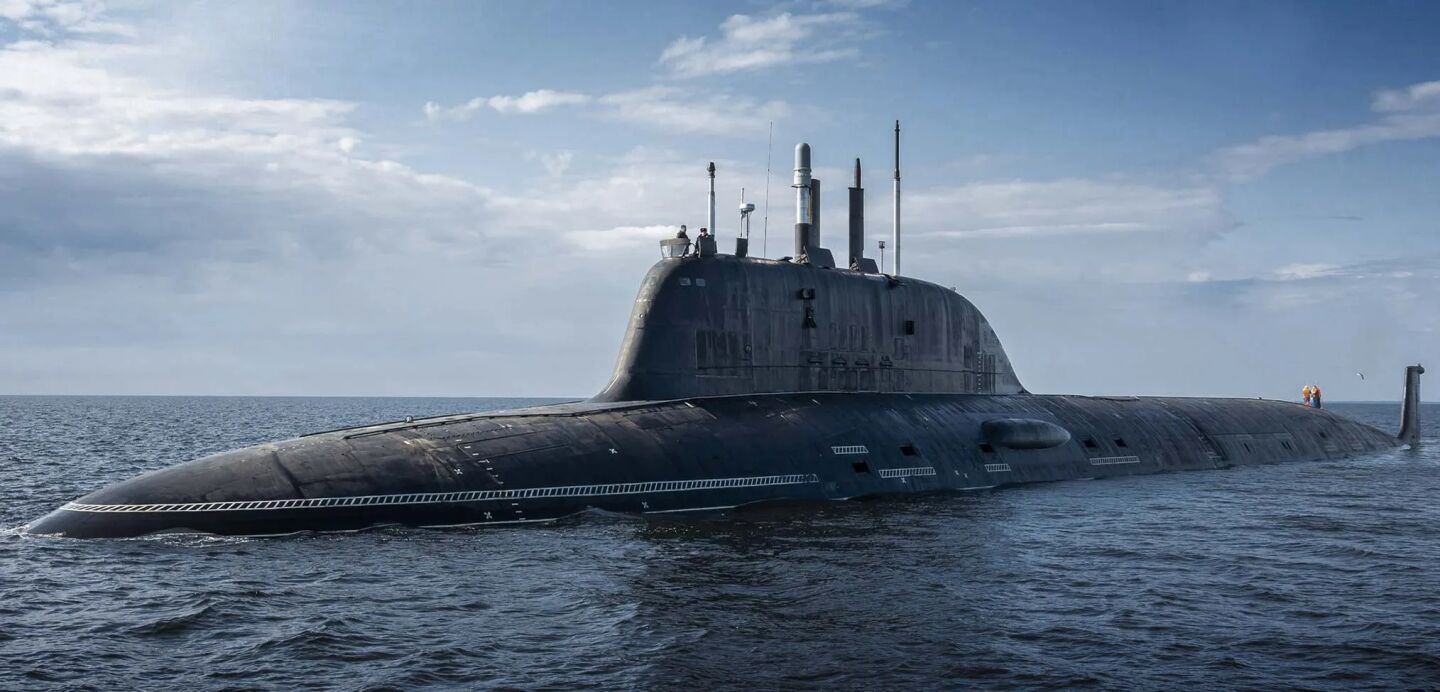
Russia remains the world’s second largest producer of nuclear powered submarines, despite its fleet being significantly smaller than that of the U.S., resulting in Russian Navy nuclear submarines on average being significantly more modern and capable than their American counterparts. The current rate of procurements is nevertheless considered wholly unsustainable, raising questions regarding whether the Navy will expand overall nuclear submarine numbers to accommodate more ships, attempt to market the Yasen class for export to India, or allow production to contract significantly. An expansion of the fleet remains highly possible
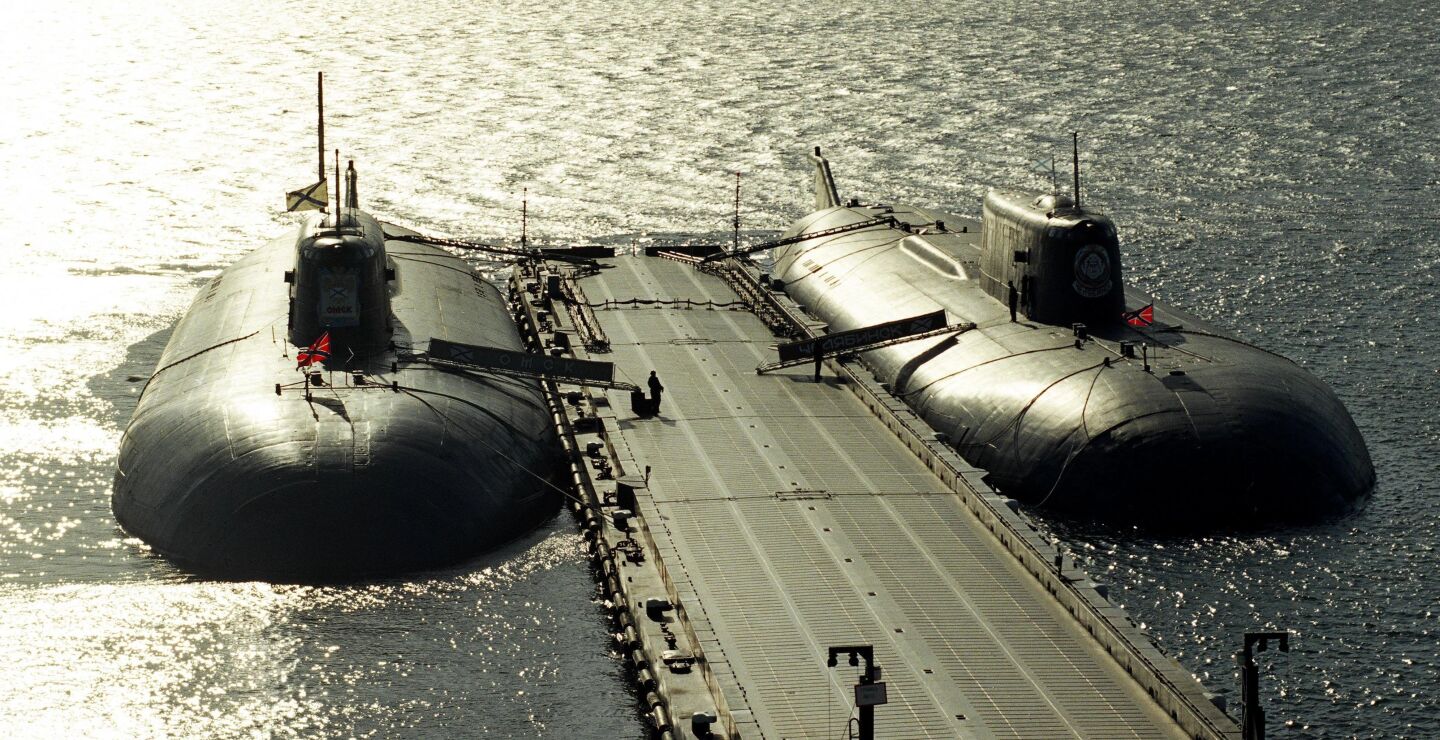
The state of the Russian nuclear submarine industry has contrasted sharply with that for the production of destroyers, cruisers, and aircraft carriers, with only two destroyers having been laid down since the USSR disintegrated, both during the 1990s for export to China, while no cruisers or carriers have been laid down in 35 years. This reflects the strong prioritisation of the nuclear submarine fleet for funding, in the case of the Borei class due to the more general prioritisation of the strategic nuclear forces over conventional forces, and in the case of the Yasen class due to its perceived asymmetric value in countering larger NATO forces.