
Playing Catch Up: Germany Confirms Development of New Battle Tank to Match Russia’s T-14 Armata
Military Watch Magazine Editorial Staff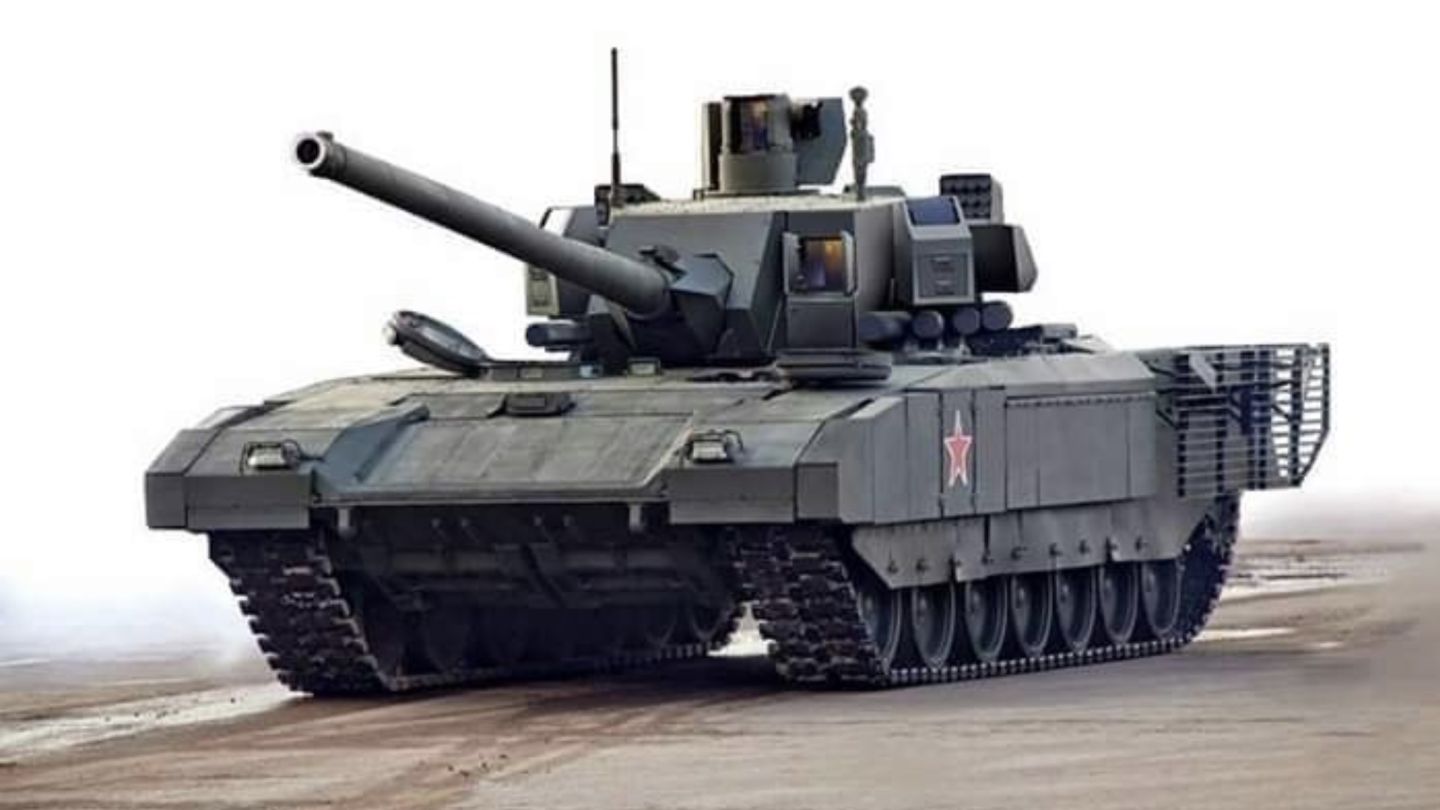
T-14 Armata Battle Tank
The unveiling of the Russian T-14 Aramta next generation battle tank in 2015 and considerable improvements made to the design since have been cause for particular concern in European nations. The T-14 is one of just three fourth generation battle tanks in the world alongside the Japanese Type 10 and South Korean K2, and is considered a league above existing European designs and previous Russian platforms such as the T-80 and T-90S. In response to the development of the new platform, and its formidable lighter counterpart the T-90M which fields many of the same technologies, the budget committee and the defense committee of the German parliament (Bundestag) have confirmed the development of a next generation European tank to be pursued jointly with France. Germany is currently considered Europe’s foremost tank manufacturer, with the latest variants of its Leopard II platform far outperforming its French and British competitors and rivalled in the Western world only by the American M1 Abrams.
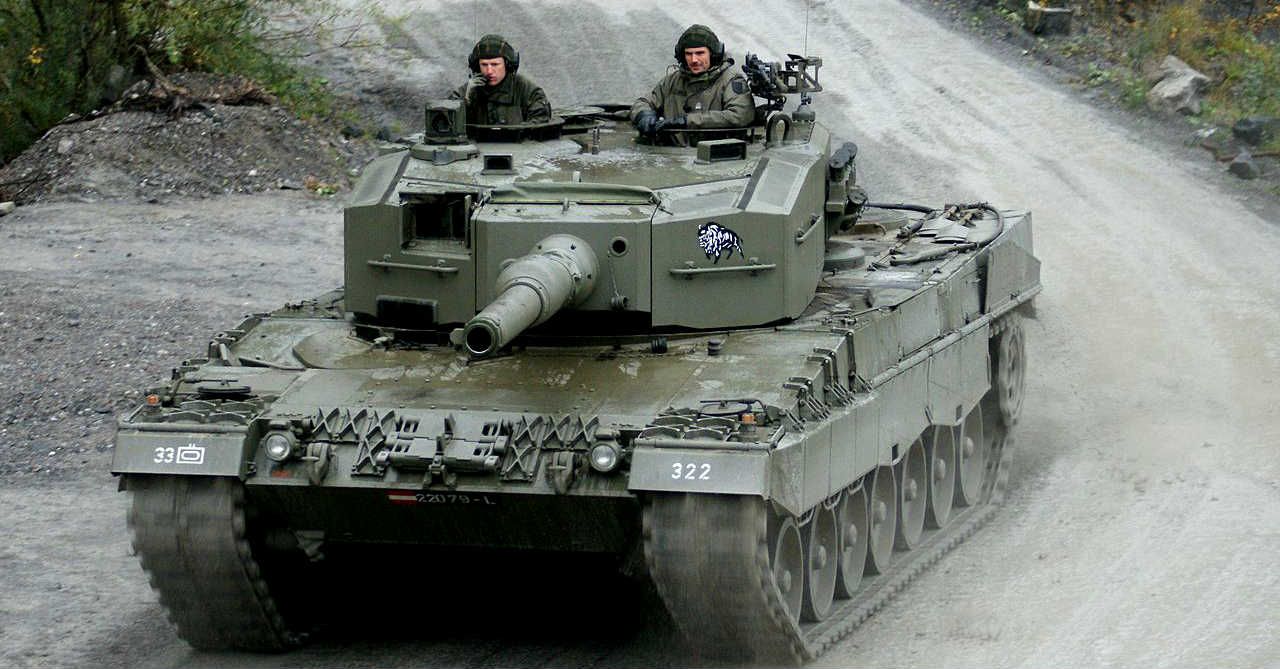
Germany’s new tank has widely been labelled by experts as the ‘European response’ to the T-14, a program which is thought to have been ongoing for over a decade but accelerated and changed considerably in response to the unveiling of the Russian Armata. The tank will reportedly be ready for presentation by 2027 - by which time the T-14 will have been in service for twelve years. The program is reportedly being pursued jointly by Germany’s Krauss-Maffei Wegmann and Rheinmetall Defense as well as France’s Nexter Systems - one of the latest examples of collaboration between the two countries to develop an ambitious next generation weapons program. Including France will allow the tank to be produced in larger numbers, research and development costs to be shared, and will thus provide the benefits of economies of scale. With the T-14 design constantly evolving, it remains to be seen whether the new European design will be able to gain parity - while costs will also be a major issue. The lack of suitable Western armour to match the latest Russian system has led states such as Poland and Turkey to look elsewhere - namely to South Korea - to acquire more capable battle tanks in considerable numbers to modernise their armoured units.
