
Pilots of Newly Combat Tested Chinese J-10 Fighters Adapt Tactics to Engage More Advanced Stealth Jets
Military Watch Magazine Editorial Staff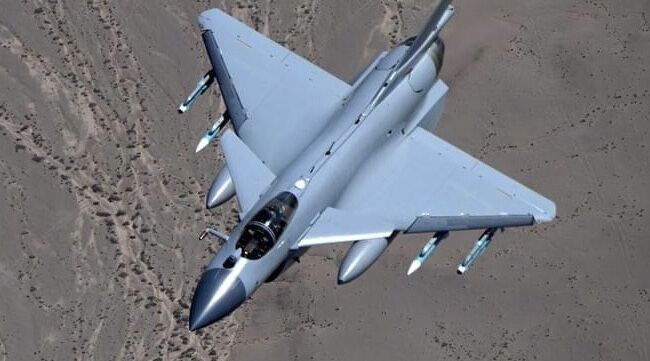
Chinese PLA Air Force J-10C Fighter
A Chinese People’s Liberation Army Air Force unit operating J-10 fighters is placing increasing emphasis on tactical innovation, pilot skill and coordination with other platforms to maintain combat effectiveness in high-intensity air combat, according to a recent report by the state run Global Times. The report highlights how the Air Force is attempting to extract greater combat value from its established fighter fleets as increasingly advanced new types of aircraft enter service. The unit's flight group commander Bu Jiawen described the J-10 as “not the most advanced” fighter, but said that it remains in its prime and is a mature and versatile mainstay aircraft capable of performing air-superiority, ground-attack and other missions.
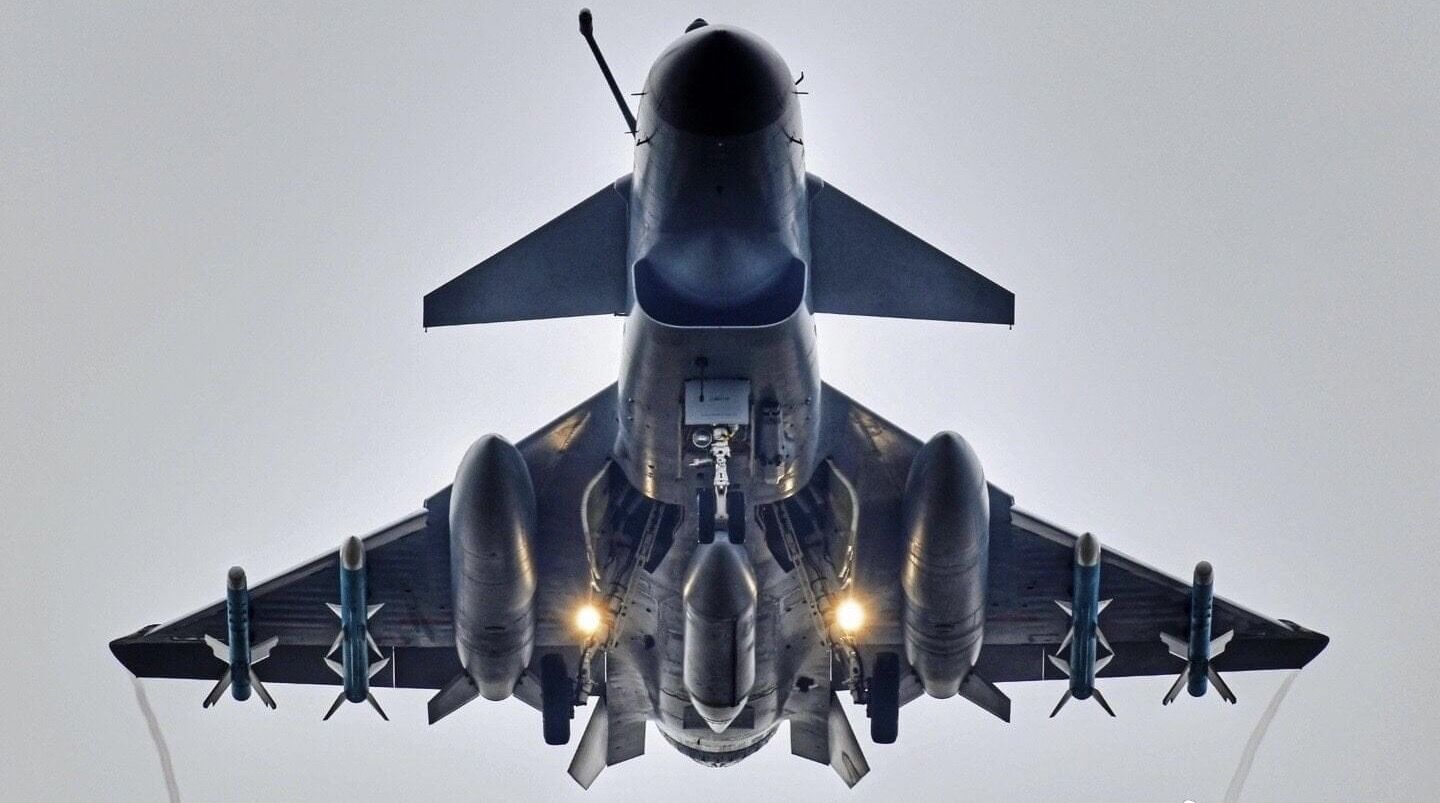
According to Bu, future air combat will increasingly depend on coordination between multiple platforms rather than individual fighters operating independently. Aircraft with different capabilities can perform complementary functions within a wider combat system, potentially allowing older platforms to contribute to operations alongside more advanced fighters. Thus rather than relying solely on the technical capabilities of individual fighters, the unit has sought to compensate for disparities in equipment through tactical innovation and integration with other aircraft and supporting systems.
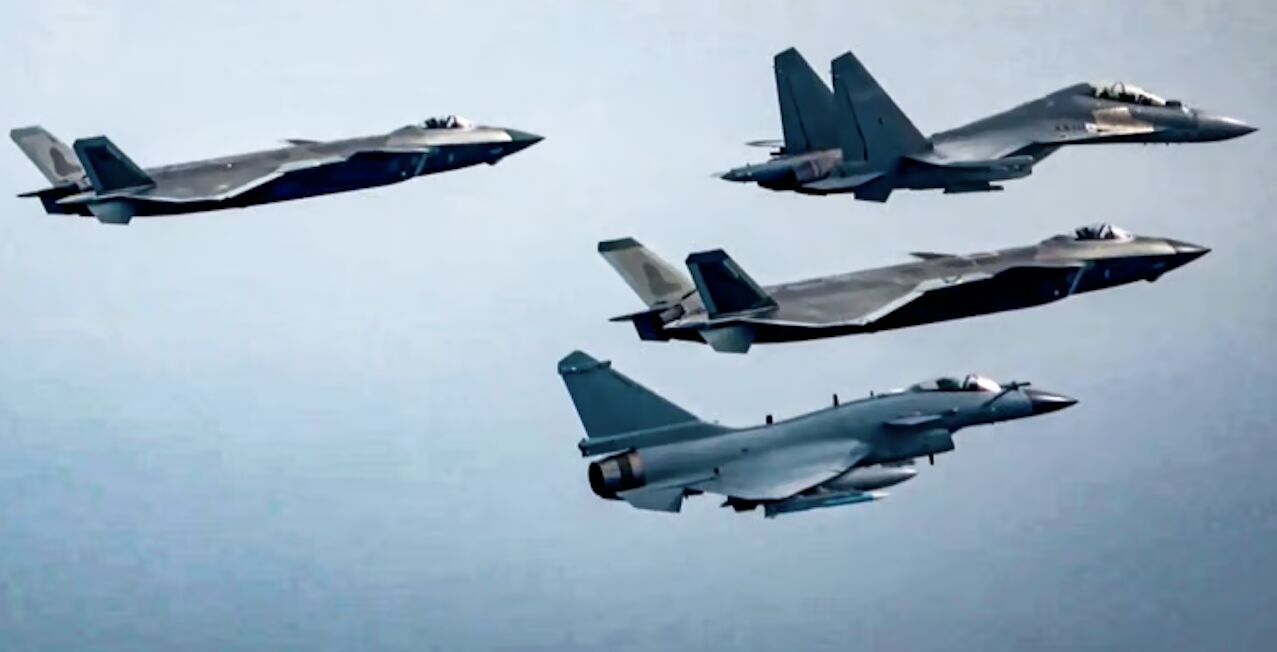
The report places particular emphasis on the role of pilot proficiency. Bu said that pilots must find ways to exploit more than the nominal capabilities of their aircraft, arguing that equipment providing 100 percent of its potential capability can potentially deliver considerably greater combat effectiveness when operated by highly trained crews. He acknowledged that his unit regularly conducts confrontations against aircraft with superior hardware and said that attempting to fight such opponents conventionally would leave the J-10 at a disadvantage. Instead, the pilots have sought to identify weaknesses in opposing tactics and develop unconventional approaches tailored to individual scenarios.
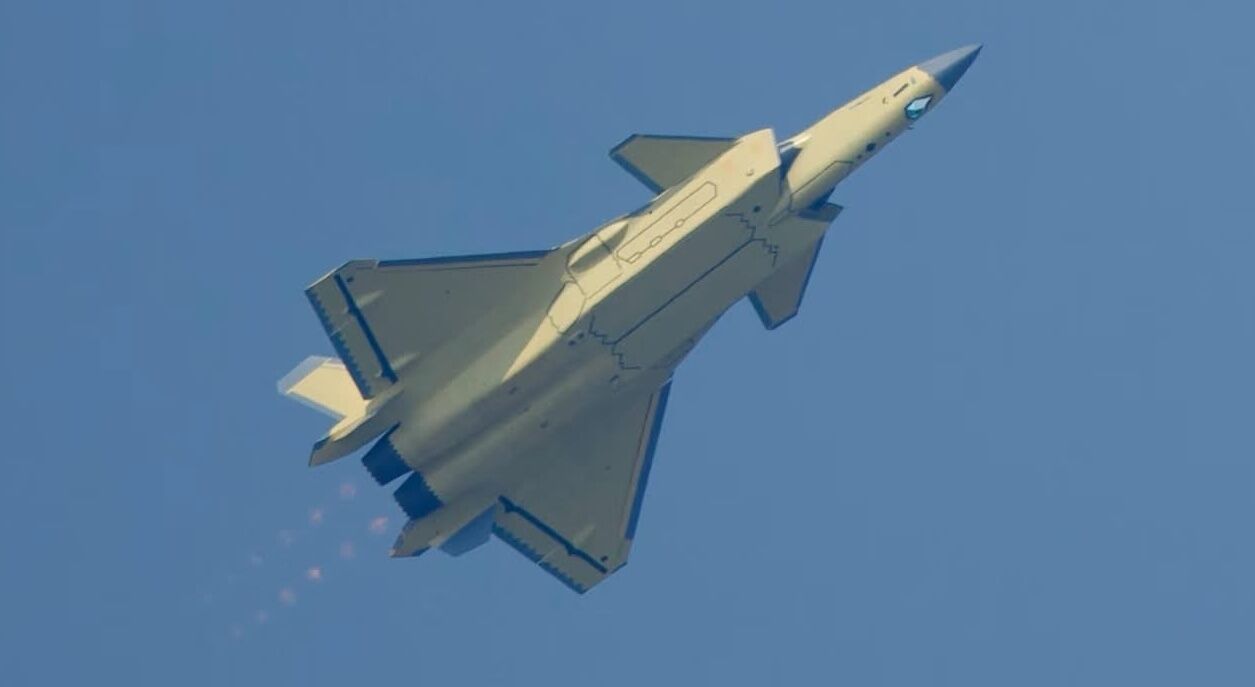
According to Bu, his unit initially suffered decisive defeats against better-equipped opponents, with the opposing fighters possessing what he described as an “absolute hardware advantage.” The pilots subsequently spent roughly one to two years conducting repeated exercises, analysing the results of individual sorties and refining their tactics. The J-10C is a lightweight ‘4+ generation’ fighter, and is the lowest end fighter type currently being procured by the Air Force. The much larger twin engine J-16, and the more advanced fifth generation J-20 and J-35, all have significant advantages, with the service entry of the new J-20A with WS-15 engines earlier in the year providing the Air Force with what is widely considered the world’s premier air superiority fighter.
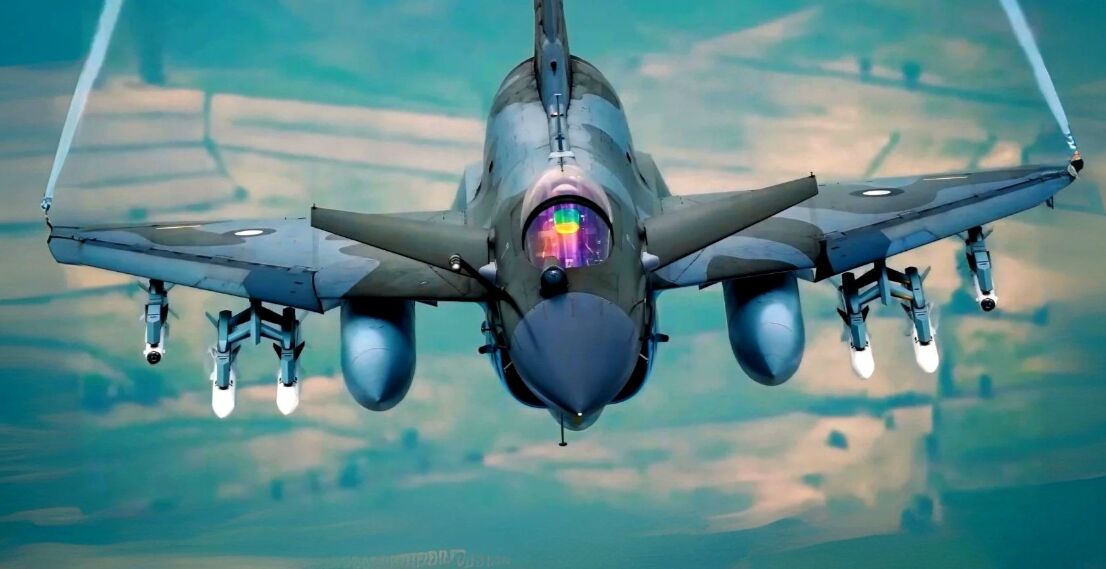
The J-10C is the only modern Chinese fighter type to have been put through high intensity combat testing. When operated by the Pakistan Air Force, the fighter was credited with shooting down between one and for Indian Rafale fighters in May 2025, with its combat record in August cited by Bangladeshi officials as a reason why it was selected over competing Western aircraft. Multiple sources subsequently confirmed that the aircraft won overwhelming victories in simulated air-to-air engagements against Qatar Emiri Air Force Eurofighters, achieving a 9-0 score during engagements. Thus while the J-10C is not competitive against modern Chinese fifth generation fighters, or its sixth generation fighters that will enter service in the near future, it still has significant advantages over most foreign fighter types.
