
Pentagon Predicts New Chinese Fighters Will Achieve Unprecedented Successes on Global Markets
Military Watch Magazine Editorial Staff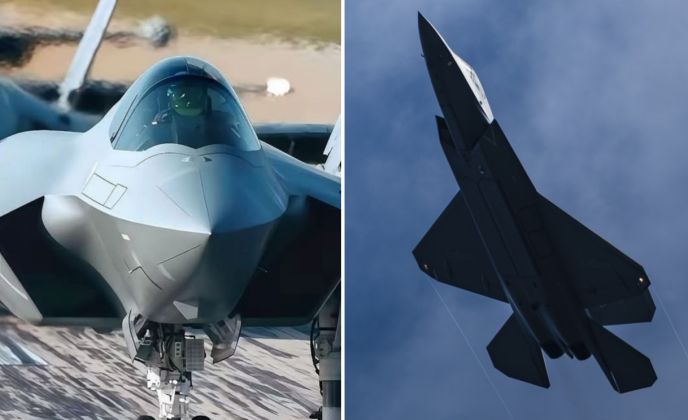
J-35 Fifth Generation Fighters
An annual report by the U.S. Department of Defence to Congress on Chinese military capabilities has highlighted that the country’s increasingly capable new fighters being offered for export appear poised to gain more dominant positions on global markets. The report specifically singles out the J-35 fifth generation fighter, J-10C lightweight fourth generation fighter, and its very light counterpart the JF-17, as aircraft which have particularly high export prospects. Regarding the J-35 in particular, the report observed that “interested clients” include Egypt, Saudi Arabia, and the United Arab Emirates. The J-35 was confirmed to have entered service in both the Chinese People’s Liberation Army Air Force and in the Navy in 2025, while previously in 2022 an office was set up specifically to export the aircraft.
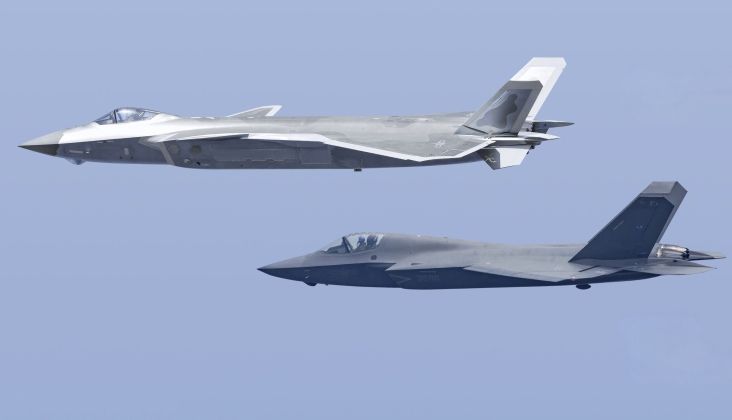
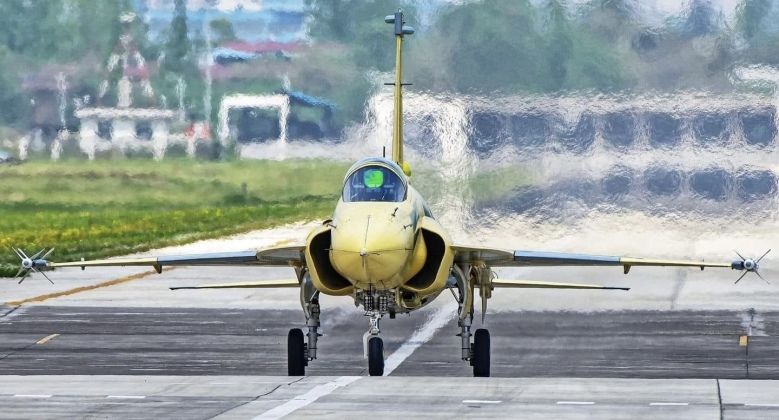
Chinese fighter exports have historically remained limited both during the Cold War and in the post-Cold War era, although with the country poised to be the world’s first to field sixth generation fighters, and having exceeded experts’ projections with the successes of its J-20 stealth fighter program, the prestige enjoyed by its fighter aviation industry could being to change this significantly. Chinese air defence systems have already achieved major successes in penetrating new markets across Asia, Africa and Eastern Europe, with the HQ-9B long range system in particular demonstrating a number of important advantages over its Western and Russian counterparts. Sales of the JF-17 low cost light fighter have also gained growing traction, with the Department of Defence’s report closely coinciding with a reported new deal to equip the Libyan National Army.
Alongside the service entry of the J-35, Chinese fighter exports have achieved two particularly major milestones in 2025. In May the J-10C’s sole foreign operator, the Pakistan Air Force, was reported to have achieved major successes in shooting down multiple Indian Air Force fighters, including one to four newly procured French Rafales, with this widely predicted to stimulate significant foreign interest in the aircraft. Five months later on October 16 Indonesian Defence Minister Sjafrie Sjamsoeddin and multiple other local officials confirmed that the Defence Ministry has placed an order to procure 42 J-10C fighters, following years of uncertainty regarding the future composition of the country’s fleet.
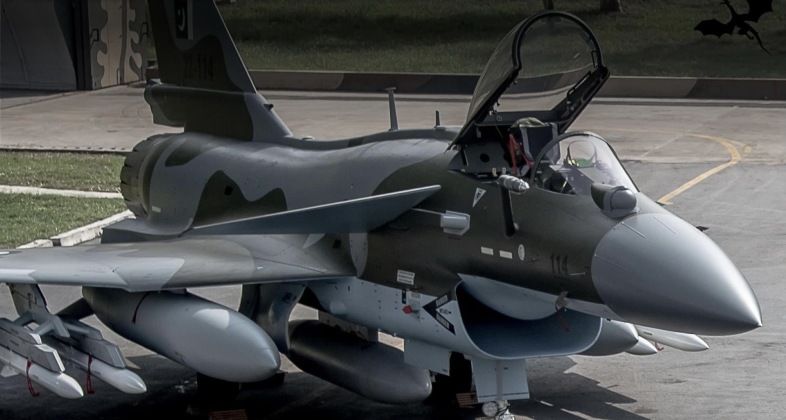
Indonesian orders followed years of sustained pressure on the country from Western Bloc states to cancel planned procurements of Russian Su-35 fighters, which were ordered in 2018. The J-10C’s significantly more advanced avionics and weaponry than the Russian aircraft and much lower sustainment costs have been primary factors in its favour. Although it is a much lighter aircraft with under half the engine power, the J-10C has demonstrated the ability to comfortably outperform the Su-35 in air-to-air combat. This combined with a lack of an equivalent to the United States Countering American Adversaries Through Sanctions Act, under which clients for Russian armaments are obliged to be sanctioned, has the potential to allow the J-10C to gain major interest from clients that formerly procured Russian fighters.
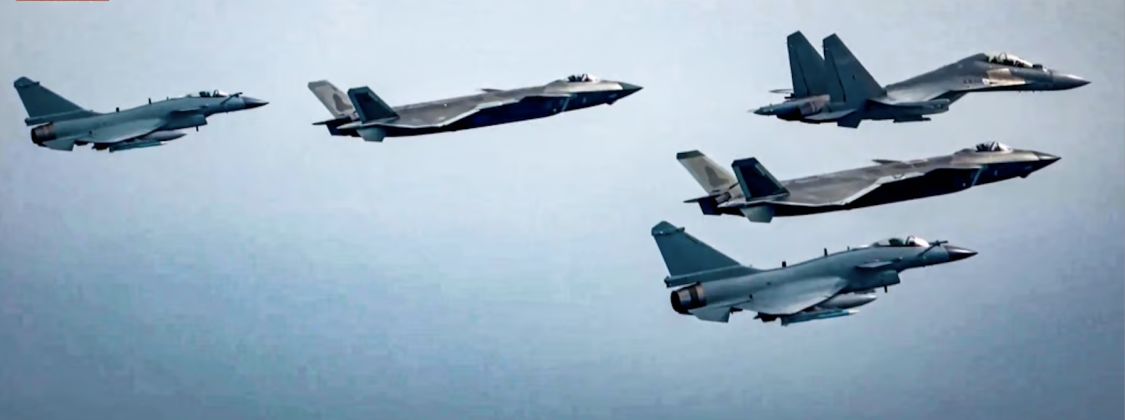
The J-35 is the second Chinese fifth generation fighter type to be brought into service, following the heavier and much longer ranged J-20 air superiority fighter which entered service in 2017. With the J-20 having never been offered for export, the J-35 is only the second fighter type of its generation to enter global markets. While Pakistan has expressed a significant interest, and Egypt is reportedly considered a potential client following its unconfirmed orders for J-10C fighters, the ability to enter Gulf Arab markets is expected to remain limited due to U.S. and Western leverage and pressure on regional states. China’s limited ability and demonstrated lack of willingness to place political and economic pressure on countries across the world, or to counter Western pressure, is expected to limit its fighters’ ability to gain traction on many key markets such as in the Gulf region or in much of Southeast Asia, due to Western Bloc states’ demonstrated effective ability to use pressure to heavily shape countries’ arms procurement decisions.
