
Overbudget Gripen E Fighter Forces Major Increase in Swedish Military Spending
Military Watch Magazine Editorial Staff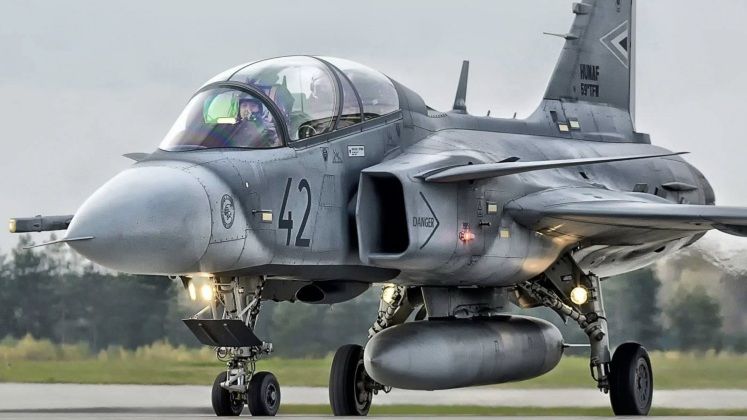
Gripen Light Fighter
Sweden has been forced to make significant adjustments its defence budget for the years 2021-2025 due to the unexpectedly high costs of acquiring new weapons systems. Two weapons programs which have gone significantly over budget are the Blekinge Class submarine, and more significantly the Gripen E ‘4+ generation’ fighter jet. The country has ordered 60 Gripen E jets, which are some of the lightest fighters in the world and come from the same weight range as the Sino-Pakistani JF-17 and the Indian Tejas jets. Despite its light weight, the Swedish built aircraft has proven costly, and the bulk of the Swedish Air Force budget in the coming years will be allocated to funding acquisition of this one class or aircraft. The purchase of two new Blekinge Class submarines has if anything been even more troublesome, with the acquisition being delayed for several years and expected to take up 71 percent of the navy's investment in 2022. Earlier this year, Supreme Commander Micael Bydén warned that such large materiel projects involved risks, and that the investment plan may be in need of review - an outcome which has now been realised.
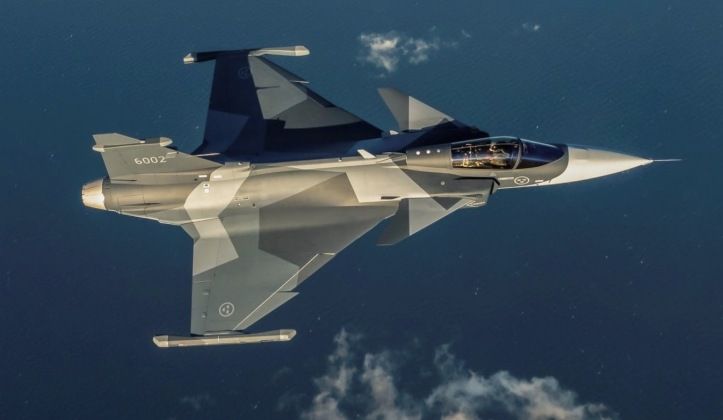
Regarding the cost overruns, chairman of the parliamentary Defence Committee Pal Jonson observed: "It is obvious that the government has for a long time been aware of the risks of rising costs and delays in these strategic materiel projects. The conditions for implementing the defence decision are weakened. You are forced to re-plan and postpone things to the future unless more money is allocated.” Sweden has tried to offset costs of its investment in the Gripen E program by marketing the aircraft aggressively for export, with foreign clients sharing the cost of research and development, providing economies of scale to the program, and paying more for the fighters than Sweden does itself. Although marketed as a Swedish fighter, the Gripen E is very heavily reliant on foreign technologies including an American engine, an Italian radar and air to air missiles developed as part of a German-led European project. The fighter is prized for its ease of maintenance and low operational cost, as well as its advanced avionics and its ability to land on makeshift airfields. Its endurance, flight performance, and the size of the sensors it can accommodate, however, are all notable weaknesses.
