
North Korea Expands Urban Warfare Training as Army Reinforces Russia Against Ukraine and NATO
Military Watch Magazine Editorial Staff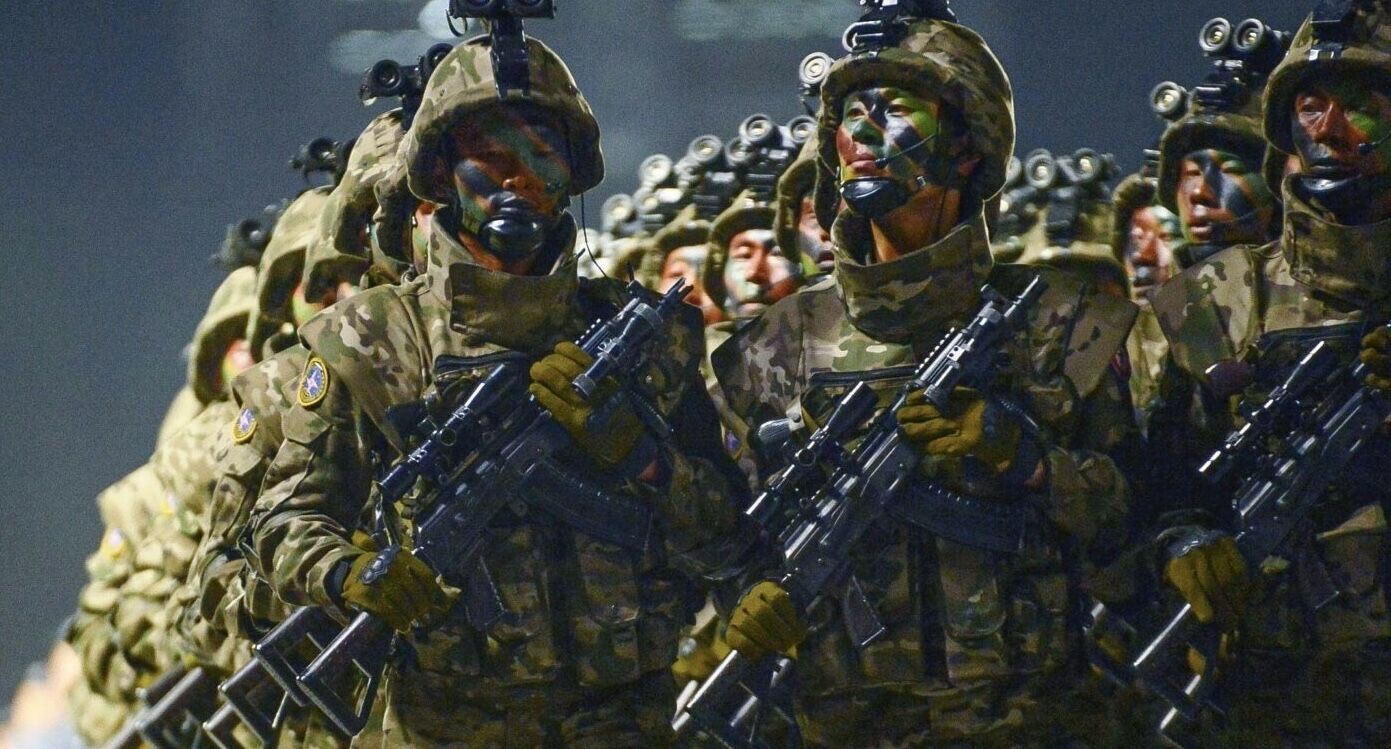
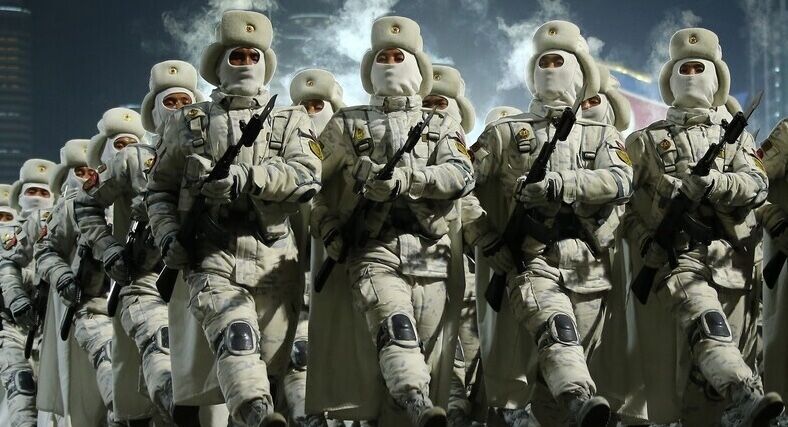
North Korean Special Forces on Parade
The Korean People’s Army is expanding and upgrading facilities used to train troops for urban warfare, according to new satellite imagery. The construction is taking place at major military training areas near Pyongyang and in Unsan County, including facilities previously associated with the Korean People’s Army’s special operations forces. The developments come amid reports that Pyongyang could deploy thousands more personnel to support Russia’s war effort in Ukraine, while also reflecting a broader effort to incorporate lessons from modern warfare into Korean People’s Army training.
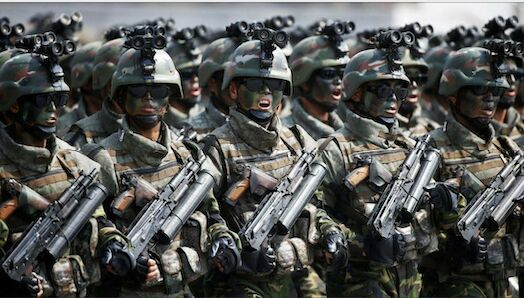
The development is significant because North Korea maintains dozens of urban combat training facilities but many are believed to date back decades. The modernisation of these areas suggests that the Korean People’s Army is seeking to update the training environment to reflect changes in its operational plans and the experience of recent conflicts, particularly the extensive use of drones, precision weapons and infantry operating in built-up areas during the Russian-Ukrainian War. North Korean special forces are already considered among the most capable in the world, as demonstrated both during engagements with South Korean forces in the 1990s, and during operations against jihadist insurgents in Syria in the 2010s, with additional city fighting training expected to support these and regular units’ preparations for contingencies in both Korea and in Ukraine.
Planet Labs imagery indicates that construction at Korean People’s Army Training Base No. 60 in the Kangdong area east of Pyongyang began in June. Approximately ten new buildings are being constructed on a hillside in the centre of the sprawling training complex, while additional construction has taken place in a dedicated military operations in urban terrain, or MOUT, area to the west. The location and design of the new structures indicate that they are intended primarily for combat training rather than conventional accommodation or administrative purposes. The new buildings appear to form part of a training environment designed to replicate structures that troops could encounter during combat.
A second major MOUT facility in Unsan County has also undergone substantial changes. The area was previously associated with Korean People’s Army Unit 630 under the 11th Corps, a special operations forces formation. Satellite imagery indicates that some of the mock buildings at the Unsan facility were rebuilt during late 2025, while others were demolished in June 2026 as further construction began. New structures subsequently appeared inside the mock town, including what appeared to be a multi-storey building constructed in the centre during July. Parts of this structure then disappeared from subsequent imagery in August and September, potentially indicating that it was deliberately destroyed during training exercises.
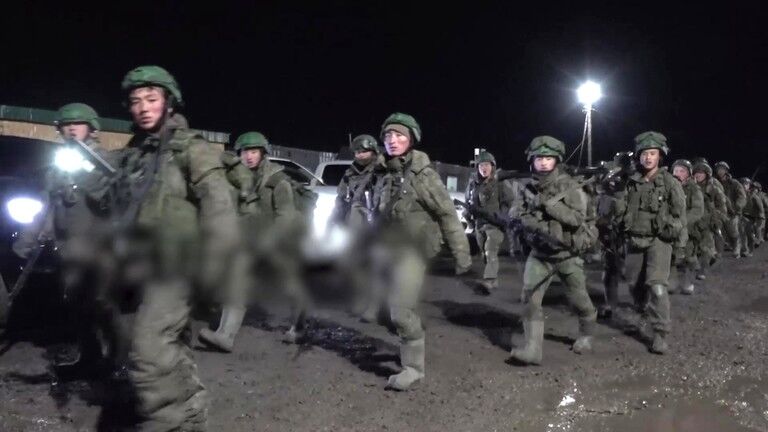
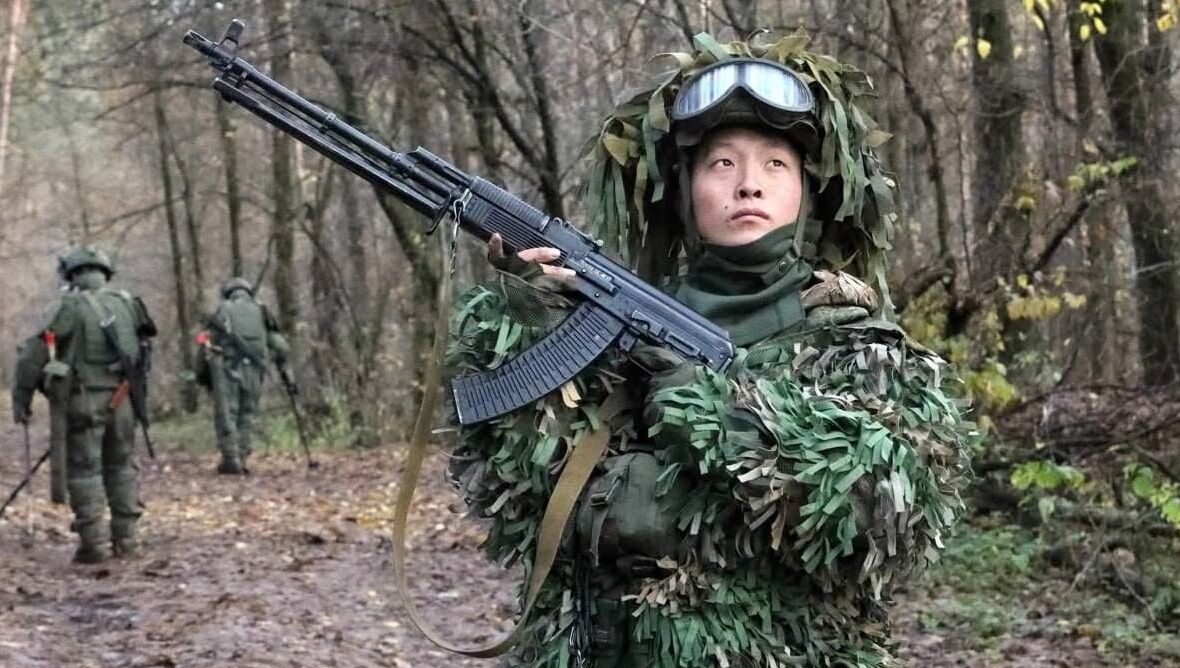
In August Ukrainian sources claimed that North Korea was preparing to deployed between 30,000 and 50,000 additional military personnel to support Russia’s war effort, with subsequent reports indicating that Korean People’s Army personnel were also manning new ballistic missile units that were being employed in the Ukrainian theatre. In August Ukrainian intelligence officials reported that the Korean People’s Army was also sending a specialised contingent of drone operators to Russia. Analysts have widely speculated that the constructing of new urban training facilities could be tied to North Korea’s participation in the Russian-Ukrainian War.
