North Korea Stationing Up to 50,000 Personnel in Russia, Zelensky Warns: How Will it Reshape the War Effort?
Military Watch Magazine Editorial Staff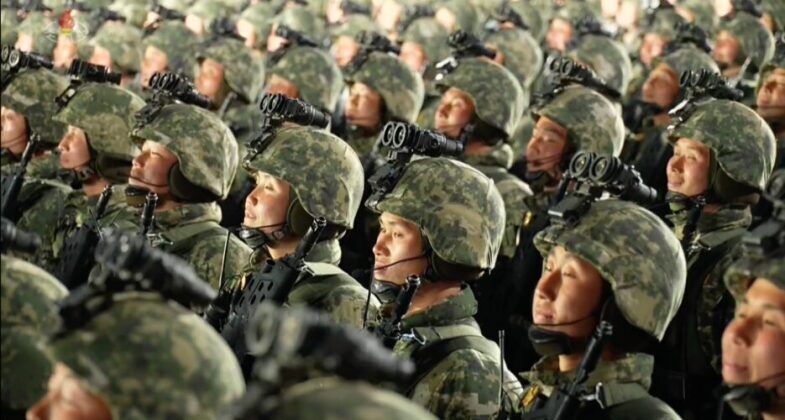
Korean People`s Army Personnel
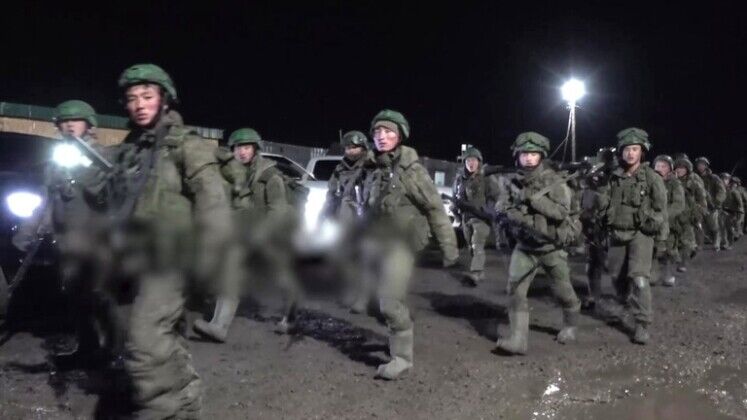
Russia is reportedly preparing to receive between 30,000 and 50,000 additional North Korean military personnel, according to Ukrainian President Volodymyr Zelensky, potentially representing a dramatic expansion of Pyongyang’s military involvement in the ongoing Russian-Ukrainian War. The president stated that the planned deployment had evolved considerably from earlier discussions involving only hundreds or thousands of North Korean personnel, with a a decision having been made to bring tens of thousands of additional personnel to Russia to perform military tasks and study modern warfare techniques. The figure has not been independently confirmed, and has been regarded by analysts either as a Ukrainian intelligence-based assessment, or as part of efforts to press countries in the Western world for greater support for Ukraine’s war effort.
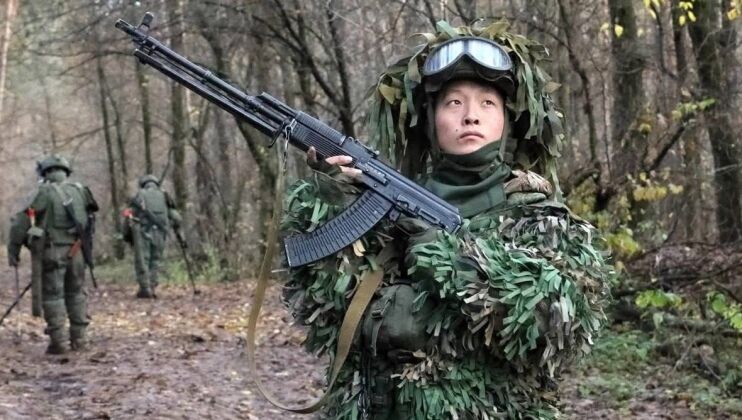
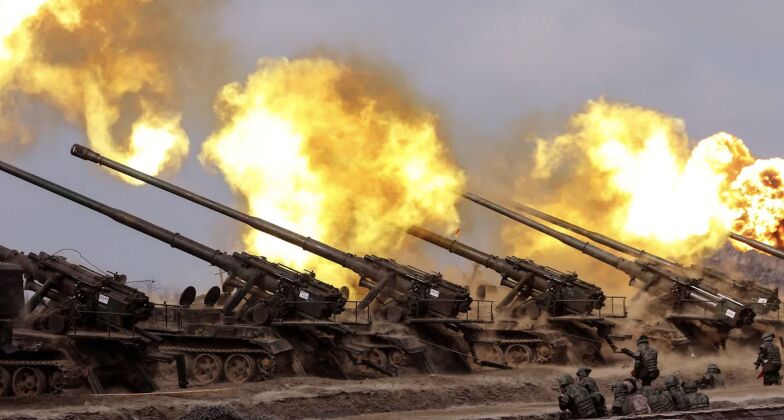
Experience gained in Russia is expected to improve North Korean units’ drone reconnaissance and strike operations and counter-drone warfare capabilities, as well as their ability to operate under persistent aerial surveillance, which are distinctive features of the conflict. While North Korean artillery units are reported to be significantly more capable than their Russian counterparts, and gained limited combat experience supporting Syrian counterinsurgency efforts in the 2010s, the central role which artillery has played in the Ukrainian theatre, and the way unmanned aircraft have changed operations, could make experience invaluable.
In November 2025 the South Korean National Intelligence Service reported that nearly 10,000 North Korean personnel were already stationed near the Russian–Ukrainian border for guard duties, while an additional 1,000 combat engineers are providing support with mine clearance operations. Beyond military personnel, reports emerged in 2025 that 5,000 North Korean industrial workers were being dispatched to help increase output at the Alabuga Factory where Russia produces Geran-2 drones. Other reports of North Korean workers being dispatched to support Russia’s economy, including both civilian and military industries, have been widespread, with the country’s high education standards making its workers highly prized, and favoured over Central Asian workers.