
North Korea’s Top Air Defence System Demonstrates Long Range Interception Capabilities
Military Watch Magazine Editorial Staff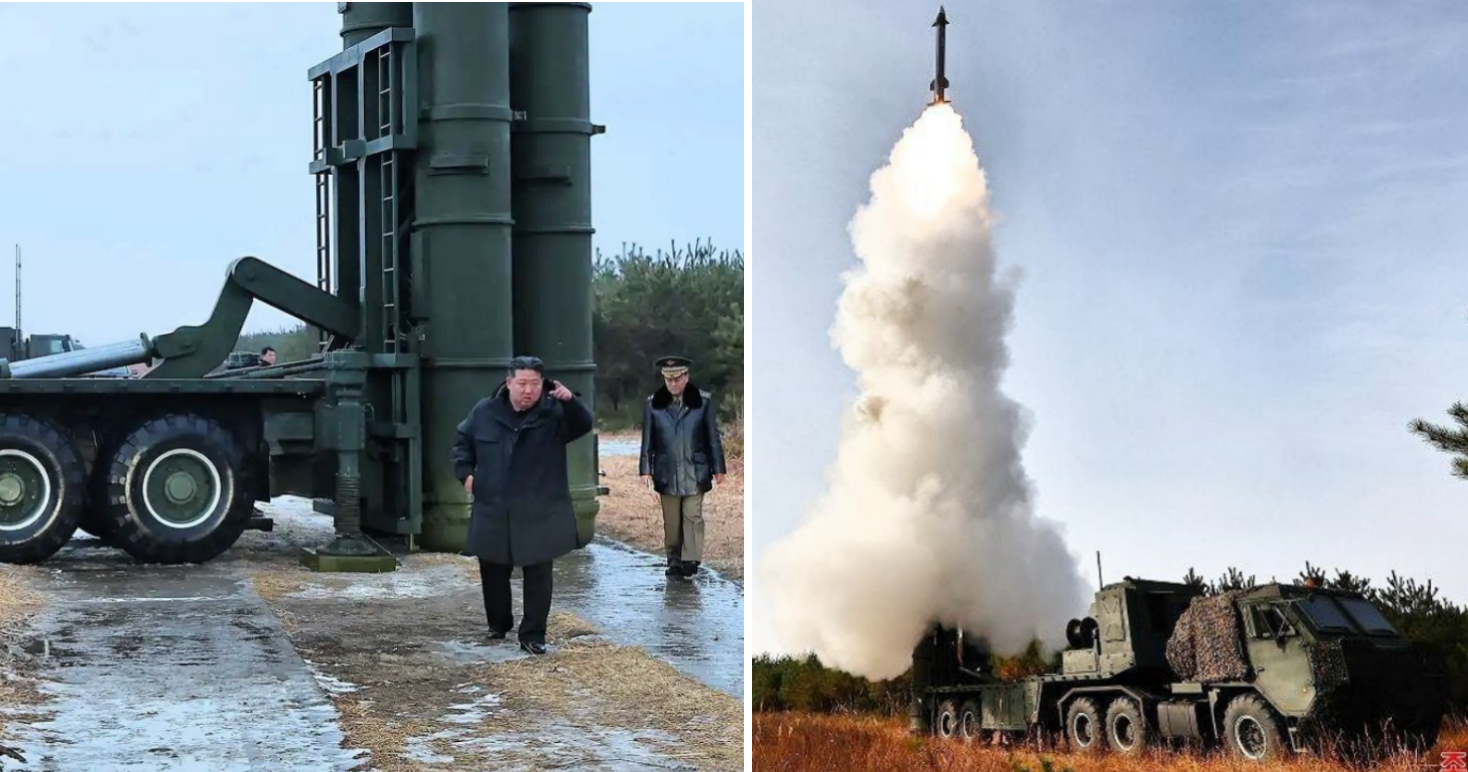
Launcher and Launch from North Korean Pyongae-6 System
North Korea has tested its Pyongae-6 long-range surface-to-air missile system, demonstrating improvements to its guidance technology and target-tracking capabilities. The test was conducted on November 4 and overseen by Kim Jong-sik, a senior official of the ruling Workers’ Party and a member of its Central Military Commission, according to the Korean Central News Agency (KCNA). Although Pyongyang did not identify the system by name, imagery of the launch vehicle and missile is consistent with the Pyongae-6, which was first publicly displayed in 2020 and is widely assessed to have been developed to provide a more capable successor to North Korea’s earlier Pyongae-5 system.
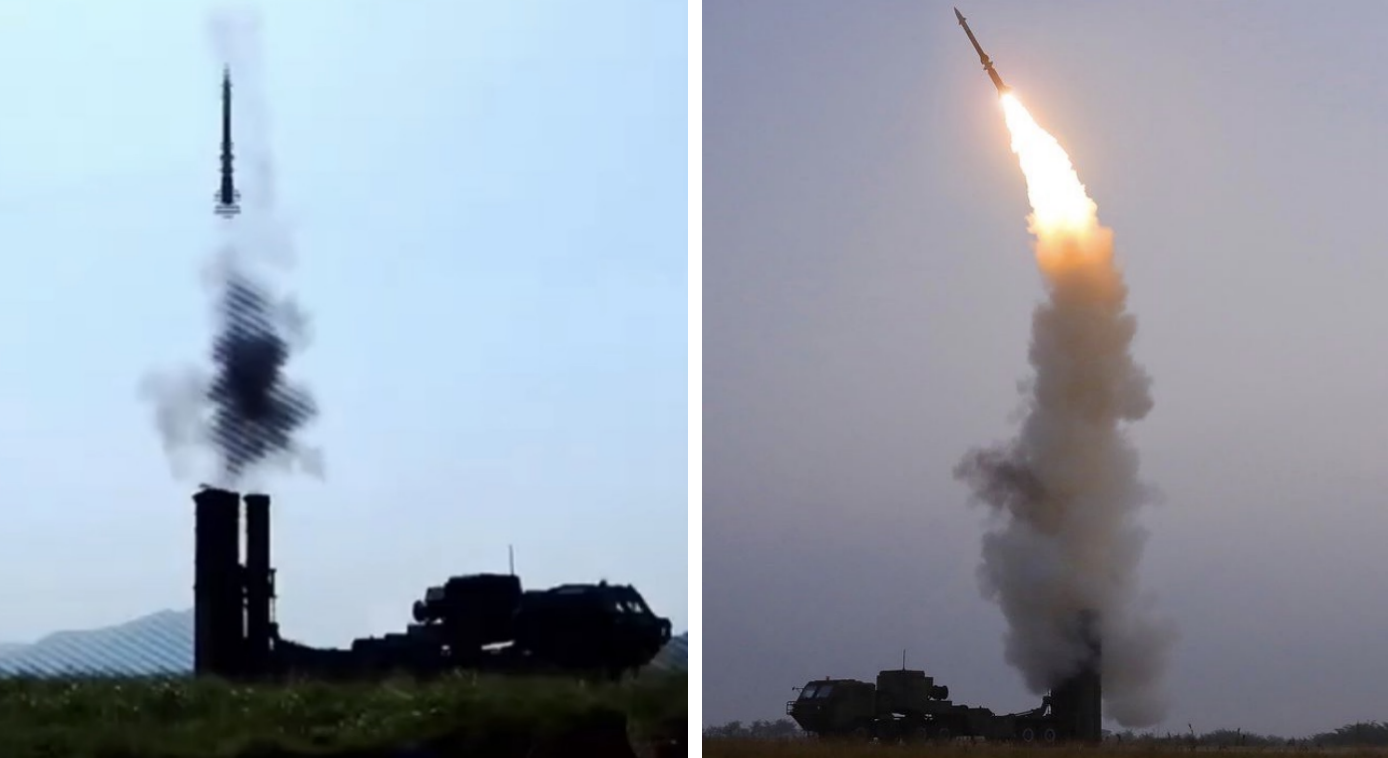
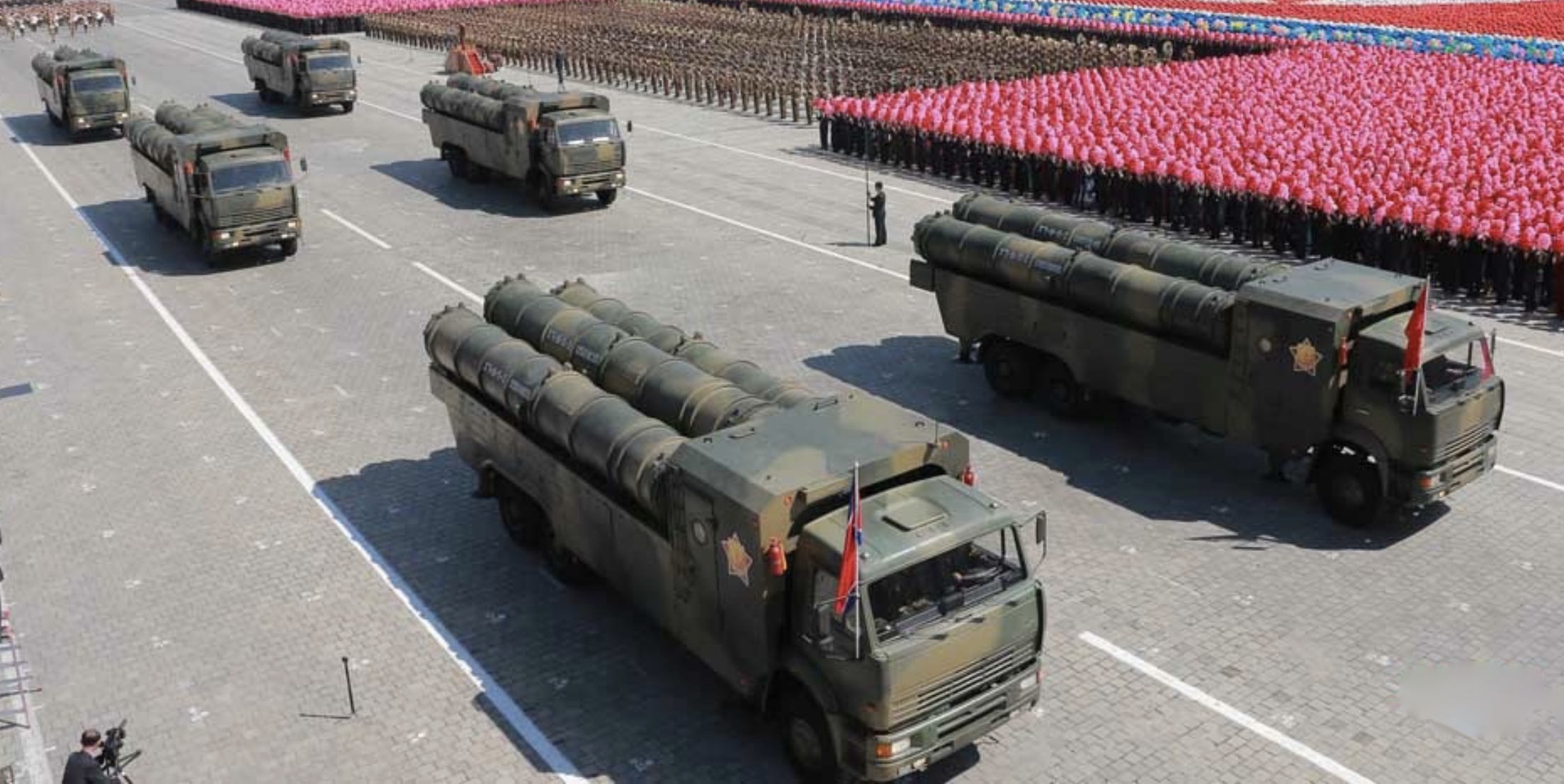
The Pyongae-5 began development in the late 1990s, and provided a general counterpart to the Russian S-300PMU-1/2 system, with the Pyongae-6 providing a new generation of capabilities. KCNA reported that the November 4 test verified the missile’s technical characteristics and reliability, including its new materials, an intelligent multiple-guidance mode, target identification and tracking, and the processing of detection information. These capabilities are important for engaging aircraft and other airborne threats at long distances, particularly when targets are manoeuvring or operating in environments where electronic warfare can interfere with radar detection and missile guidance.
Images released by North Korean state media showed a missile being launched vertically from a large, truck-mounted transporter-erector-launcher with a 10×10 wheeled chassis. The configuration resembles vehicles associated with the Pyongae-6, including those displayed during North Korea’s October 2020 military parade. The missile itself appears to have a slender body and multiple sets of flight-control surfaces, consistent with the design features previously observed during tests of the system. The new system has frequently been compared with Russia’s S-400, primarily because of its apparent configuration and the scale of its launch vehicles and missiles. Some assessments have suggested that the Pyongae-6 could have an engagement range of approximately 200–250 kilometres, potentially placing it in the category of long-range systems designed to threaten aircraft well beyond the immediate vicinity of defended facilities.
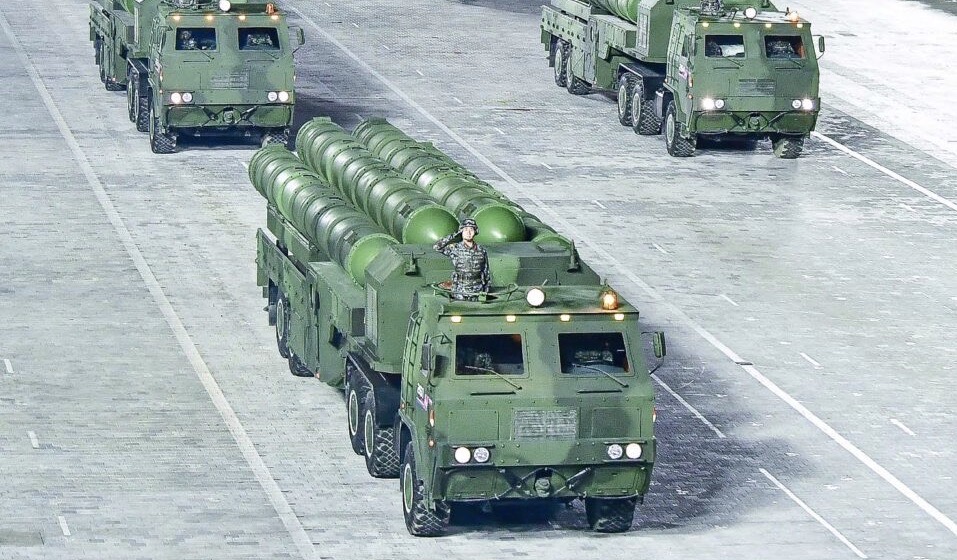
An important technical feature associated with an earlier Pyongae-6 test is what North Korean state media described as a “twin rudder control” arrangement and a “double impulse flight engine”. These descriptions are generally interpreted as referring to multiple sets of aerodynamic control surfaces and a dual-impulse or dual-thrust propulsion arrangement. Such a motor can provide an initial acceleration phase followed by a second impulse later in flight, potentially improving the interceptor’s ability to manoeuvre during the terminal engagement phase or maintain sufficient energy against targets at longer distances. The September 2021 test was reported to have examined the missile alongside its radar, launch system and command vehicle, providing evidence that development extended beyond the interceptor alone.
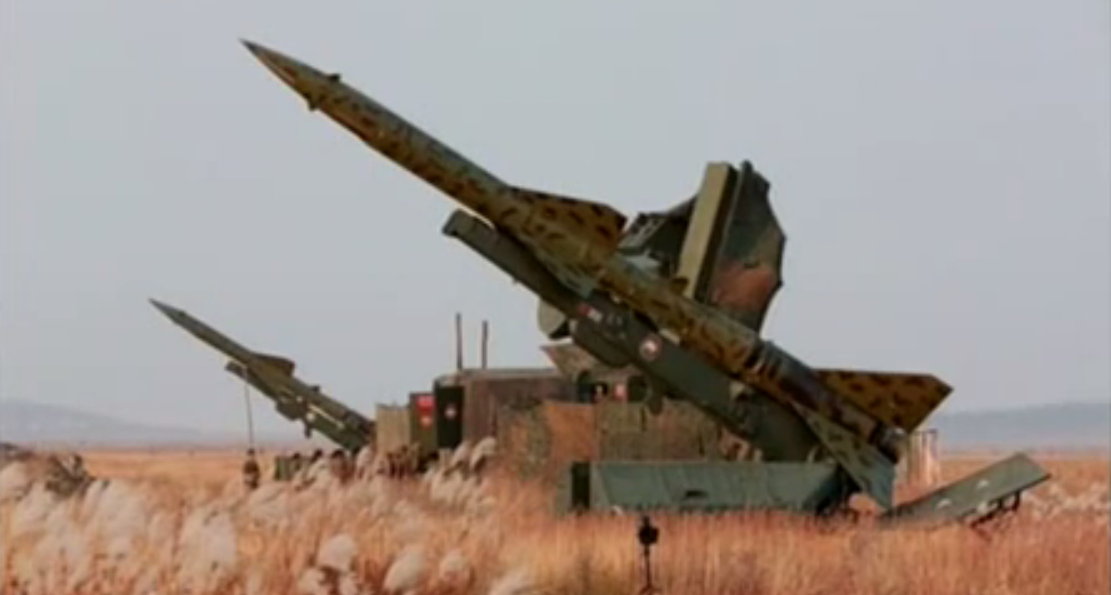
The Pyongae-6’s potential significance lies in its role within a more modern, mobile and layered North Korean air defence network. North Korea has historically relied on a mixture of older Soviet-derived systems, including the S-75, S-125 and S-200 families, alongside more recently developed domestic weapons. The introduction of the Pyongae-6 has allowed these to be phased out of service. Mobile launchers can also be dispersed and relocated, complicating efforts to identify and neutralise air defence positions before an air campaign. While North Korea has not been able to provide post-Cold War fighter aircraft, the size of its ground-based arsenal, density with which systems are deployed, and fortification of their positions, makes its airspace one of the most secure in the world. The Pyongae-6 system has provided the most revolutionary improvement for the country’s air defence capabilities since the procurement of a network based on the Soviet S-75 system from the late 1950s.
